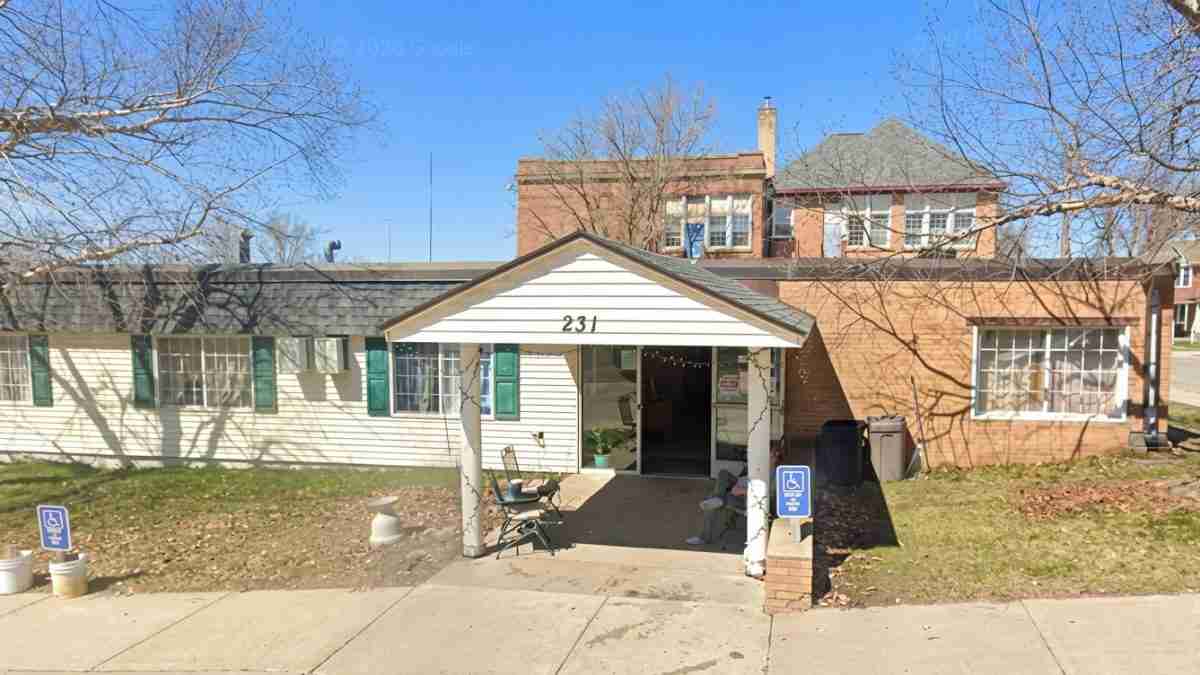
HOLDINGFORD, MINNESOTA, Aug. 2 (Nationwide Times) — For families helping manage care in assisted living, a Minnesota neglect finding highlights a basic safety question: How does a facility handle alcohol when a resident has a medical appointment or may be impaired?
The Minnesota Department of Health concluded that Covered Bridge Assisted Living in Holdingford was responsible for neglect involving resident Don Brambrink. Investigators found that staff provided him with large amounts of alcohol before a scheduled telehealth appointment, according to the department’s investigative report.
The facility’s owner, identified in state-related coverage as Barstow, disputed the finding and said the facility planned to appeal. The department said it stood by its substantiated finding under the Minnesota Reporting of Maltreatment of Vulnerable Adults Act.
What investigators described
The detailed schedule attributed to the Health Department report records 18 shots of liquor and one beer during the 24 hours before the appointment.
The reported schedule began with two shots at 6:54 p.m., followed by two at 8 p.m. and two at 9:20 p.m. More alcohol was recorded at 3:55 a.m., and a beer was provided at 5 a.m. Two shots were then recorded at 5:55 a.m., 8:15 a.m., 9:15 a.m., 10:55 a.m. and 12:30 p.m.
Brambrink missed the telehealth appointment after drinking while fishing, according to the investigative account. A registered nurse told investigators he was “dead to the world.” Staff later sent him to an emergency room at a doctor’s request.
The emergency-room record or investigative report was reported to show a blood alcohol concentration of 0.23%. The coverage comparing that result with Minnesota’s 0.08% legal limit was referring to the limit for driving, not a medical threshold for assisted-living residents.
Why the finding matters
A neglect finding is a regulatory conclusion about whether a vulnerable adult’s care met required standards. It is not, by itself, a criminal conviction.
The Minnesota Department of Health has said state law allows assisted-living facilities to restrict or deny alcohol when it presents a safety issue or when a resident agrees to limits. That means alcohol access can involve both a resident’s choices and the facility’s responsibility to manage foreseeable risks, including impairment around medical care.
For families, the case focuses attention on the facility’s policies: whether alcohol use is documented, how staff respond when a resident is intoxicated, and how scheduled medical visits are handled. The state’s finding concerned the facility’s conduct in this incident, rather than a general conclusion about all assisted-living residents who drink alcohol.
What remains disputed or unclear
Brambrink said the facility helped him overcome a long addiction and that he had not consumed alcohol since a few days after the incident, according to his statement in coverage of the investigation.
The reported accounts contain one unresolved difference. One describes 18 shots and one beer, matching the detailed time-by-time schedule attributed to the Health Department report. Another summary describes 12 shots and one beer. The complete investigative report and formal determination were not included in the available source material, so the reason for the discrepancy is unclear.
The available information also does not establish the current status of any appeal or whether prosecutors received a referral. The Stearns County Attorney’s Office was reported to have said it had not received an investigation at the time of the coverage.
The central question in the state’s finding remains whether the facility’s alcohol practices protected a resident’s safety while allowing him to receive appropriate care. In this case, the Health Department concluded they did not.