
White House denies reports Trump named new, privately funded ballroom after himself as debate over “Trump privatized ballroom” intensifies
The White House rejected reports that President Trump named the new, privately funded ballroom after himself, calling such claims “false and unserious” as debate intensifies over private funding, preservation concerns and questions of legacy.
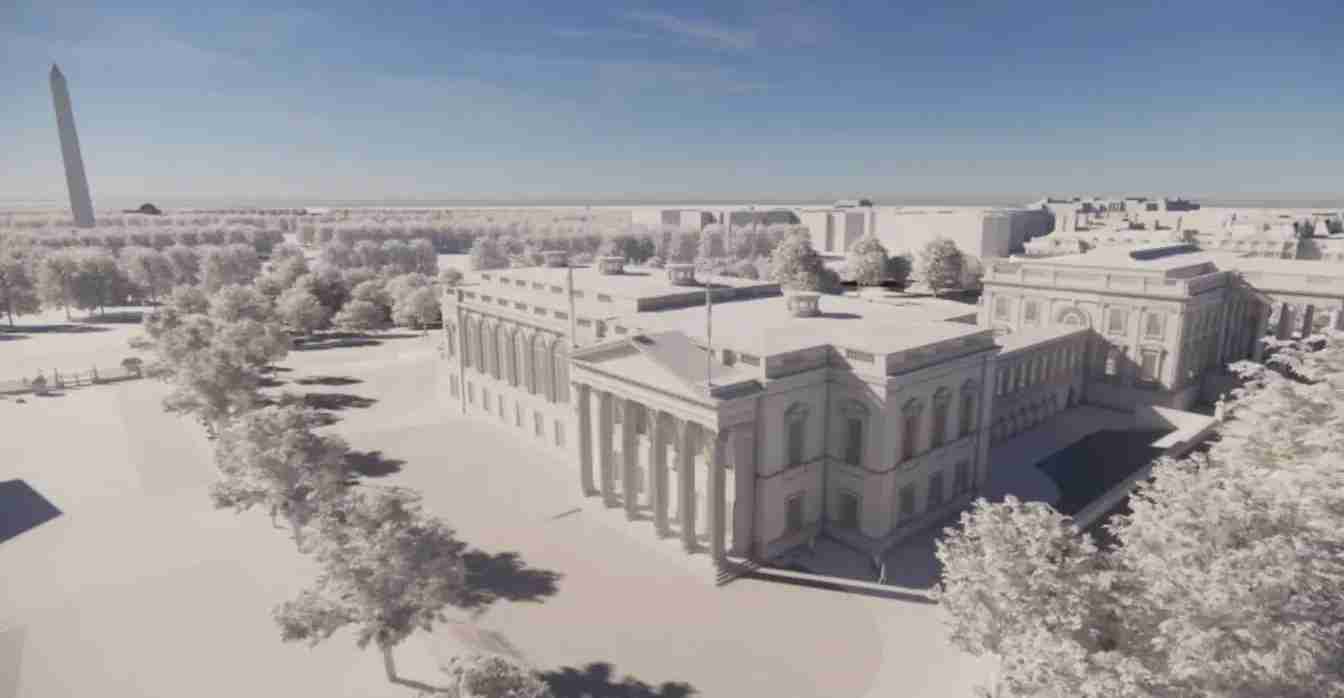
- Private project: A 90,000-square-foot, privately funded ballroom replacing the East Wing is estimated at about $200 million and seats roughly 650 people.
- Naming denied: The White House says no naming decision has been made and called reports that it would be named after the president “false and unserious.”
- Preservation pushback: The National Trust for Historic Preservation and other advocates urged a pause and formal review under preservation procedures.
- Construction underway: Demolition of the East Wing began in October 2025 and officials say completion is expected before the end of the current term.
White House response and messaging
The administration moved quickly to reject media accounts that the new ballroom had been—or would be—named for President Trump. Officials labeled those reports “false and unserious” and said no formal naming decision has been made. The White House emphasized that any name would “reflect the bipartisan history and tradition of the White House.”
Press Secretary Karoline Leavitt defended the project as consistent with past presidential upgrades and stressed the private funding element. Leavitt dismissed criticism as “fake outrage,” arguing the work follows historical practice of donor-backed improvements. See the White House announcement for the administration’s account and related materials.
What the reports said — and what is unconfirmed
Multiple outlets reported that the president intended to affix his name—proposed labels included names such as “Trump Ballroom” or “Trump Presidential Ballroom”—to the new space. Those stories were based on reported intent; no public document or signed order confirming a final name has been produced.
News coverage that raised the naming claim included reporting summarized by outlets such as Fox News and ABC News. The White House maintains there is no record of an official naming decision, leaving the matter centered on reported intent and reactions.
Democratic criticism and political reaction
Democrats and preservation advocates criticized the project on ethical and normative grounds: they argue a sitting president using private funding to alter the White House and then seeking to name a major space after himself would break long-standing norms separating personal legacy-seeking from official property.
Republicans and administration supporters counter that donor-backed improvements have historical precedent, that no taxpayer dollars are being used, and that critics are politicizing a legitimate upgrade. Coverage and statements defending the project point to past private contributions and upgrades; see the White House statement and related media reporting.
Preservation concerns and process questions
Historic-preservation groups, led by the National Trust for Historic Preservation, urged a pause and formal review under established procedures. Advocates argued the scale of the proposal and the demolition of the East Wing could overwhelm the White House’s historic proportions and bypass preservation protections. Read the National Trust letter for detailed objections.
The White House has said the design will harmonize with the classical aesthetic of the mansion and that the Secret Service will manage security adjustments tied to the project.
Construction timeline and details
According to administration releases, the project will create roughly 90,000 square feet of new event space with capacity for about 650 guests. The administration estimated the cost at about $200 million and said architects and contractors have been named and are working on site. See the initial White House announcement and a later White House update.
Demolition of the East Wing began in October 2025, and the administration says the ballroom will be completed before the current term ends. The Secret Service indicated additional security measures will be implemented as part of the build, though comprehensive details have not been released publicly.
Media and cultural reaction
The proposal and the naming reports prompted broad commentary across the political and cultural landscape. Late-night hosts and critics framed the reports as evidence of legacy-seeking; conservative outlets emphasized private funding and criticized what they called partisan attacks. Examples of commentary include media coverage such as a Fox News cultural segment linked here: Fox News media example.
Implications for United States of America
Economic impact
Because the White House says the ballroom is privately funded, the federal budget will not directly cover construction costs. The project could, however, create short-term jobs in construction, design and security contracting tied to the demolition and build.
Political consequences
The episode is likely to be a national flashpoint: Republicans may highlight private donor support and the avoidance of taxpayer expense, while Democrats may use the naming reports—even if disputed—to question presidential norms and conduct. Both parties could incorporate the story into campaign messaging and oversight efforts.
Social effects
Public debate over the ballroom may deepen partisan divides about presidential use of public landmarks. Preservationists’ concerns will resonate with voters who prioritize historic continuity, while supporters may emphasize modernization and practical benefits for official events.
Cultural relevance
Naming federal spaces after living or sitting presidents is sensitive in American civic life. Even unconfirmed reports about naming the White House ballroom after a sitting president raise broad questions about legacy, ego and public symbolism. The White House’s pledge that any naming will honor bipartisan history is intended to calm those concerns.
Practical applications
A larger ballroom will offer officials, diplomats and event planners greater capacity and flexibility for state dinners and official gatherings. For the public, the debate highlights issues of transparency, donor disclosure and the appropriate handling of changes to iconic federal buildings.
Sources and reporting notes
- White House announcement
- White House update/article
- Fox News coverage and White House response reporting
- Fox News coverage of demolition and defense
- ABC News reporting on naming reports
- National Trust for Historic Preservation letter and concerns
- Media commentary example
Further updates may follow as the White House releases additional details on naming procedures, donor disclosures and preservation reviews.



