
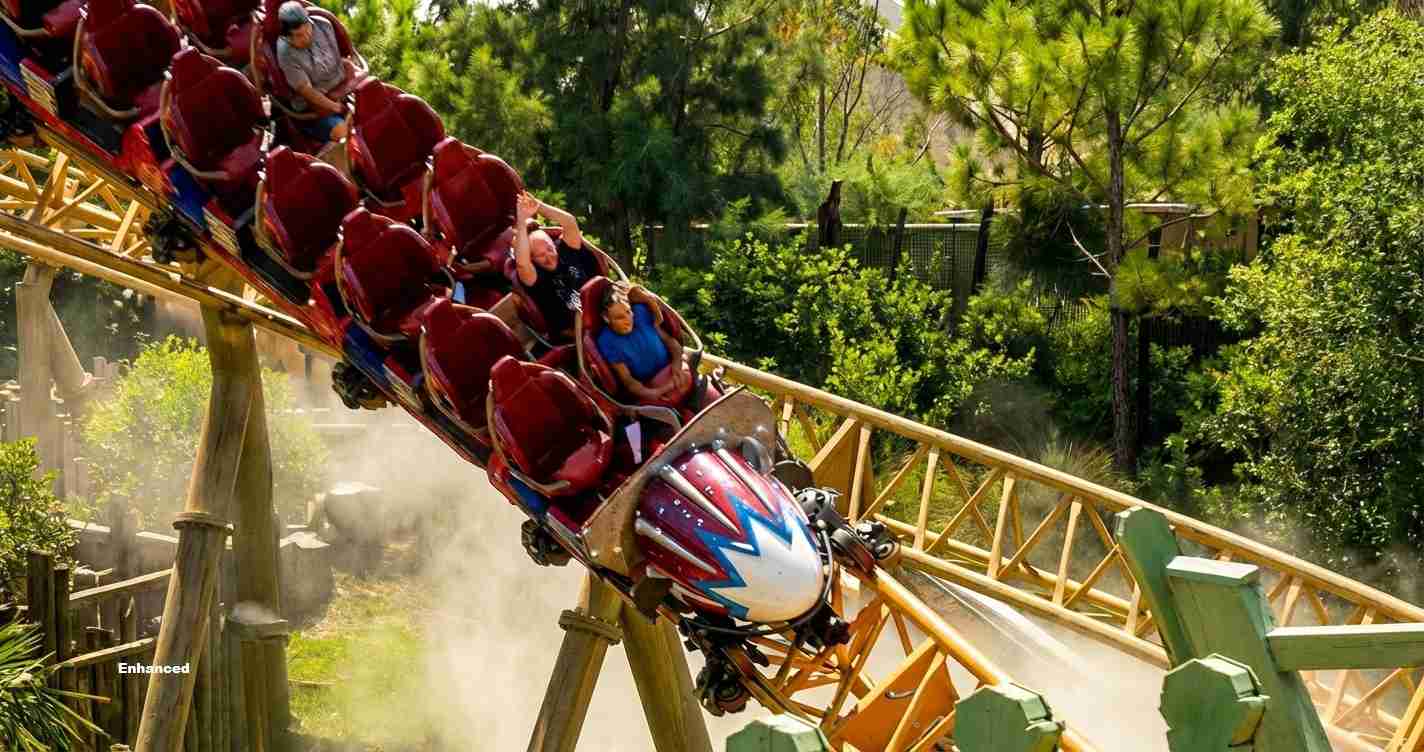
Orange County medical examiner rules Universal Orlando coaster death accidental; investigators find no foul play
The Orange County Medical Examiner ruled the September 17 death of 32‑year‑old Kevin Rodriguez‑Zavala after riding Universal Orlando’s Stardust Racers an accident, citing multiple blunt‑force injuries; investigators found no foul play and no ride malfunction.
- Official ruling: The medical examiner classified the death as accidental, attributing it to multiple blunt‑force/blunt‑impact injuries, including severe facial trauma and a fractured femur.
- Investigators’ findings: The Orange County Sheriff’s Office found no crime, no indication of foul play and no mechanical malfunction of the Stardust Racers ride.
- Operational detail & response: Witness video and testimony describe difficulty securing the lap bar and multiple head impacts during the ride; Universal and the family reached an “amicable resolution”.
Medical examiner’s findings
The Orange County Medical Examiner’s autopsy found Rodriguez‑Zavala suffered multiple blunt‑force injuries that led to his death, including severe facial trauma, a broken nose, internal bleeding and a fractured femur described by a physician who assisted at the scene as “completely broken in half.”
Investigators noted prior spinal surgeries and surgical hardware in his back. Family members and a physician who rendered aid have said they do not believe the spinal condition alone explains the fatal injuries. For the official reporting, see Orange County Medical Examiner and local reporting on the ruling and Fox 35 Orlando’s detailed report.
What witnesses and video show
Security video and witness statements described Rodriguez‑Zavala boarding the train appearing “engaged and well,” seated beside his girlfriend, Javiliz Cruz‑Robles. Cruz‑Robles told investigators ride staff had to push the lap bar down multiple times before it sat, and she said she saw him lurch forward as the train began its first drop and strike his head on a metal bar.
She described additional strikes during the ride while she tried to hold him back; by return to the station he was unresponsive, bleeding from the face and slumped in his seat. See reporting from local media and the medical examiner and Fox 35 Orlando.
Emergency response and on‑scene observations
Emergency responders and bystanders provided immediate aid. Universal paramedic Sebastian Torres wrote that staff took about 10 minutes to release the guest from the lap bar and that the rider was “stuck on the ride vehicle face down, falling out of his seat, with legs inverted.” A bystander who identified herself as a doctor reported seeing a completely broken thigh bone and believed he showed no signs of life prior to removal.
Rodriguez‑Zavala was transported to a hospital and later pronounced dead. Further context is available in the medical examiner’s coverage and related local reporting.
Law‑enforcement and ride‑safety findings
The Orange County Sheriff’s Office investigated and reported the ride was functioning properly; investigators found no indication of foul play, no criminal activity, and no mechanical failure in the restraint system after the incident. Investigators did note staff had difficulty securing the lap bar, with some accounts saying it required “three or four” attempts.
The sheriff’s findings are consistent with the medical examiner’s conclusion that the death was accidental. See Fox 35 Orlando and local reporting for investigative details.
Disability, medical history and public reactions
Records and witness statements indicate Rodriguez‑Zavala used a wheelchair and had prior spinal injuries with surgical hardware. His mother reportedly voiced concerns about him riding high‑speed coasters. Still, responders and family members say they do not believe the spinal condition alone explains the fatal injuries.
The incident has prompted public discussion about guest screening, ride warnings and how parks accommodate visitors with disabilities while maintaining safety. Policy, training and signage are now central to public debate.
Legal response and private settlement
The family is represented by civil rights attorney Ben Crump. On December 13, Ben Crump Law announced that Universal and the family had reached an “amicable resolution” with confidential terms. Universal confirmed the family requested privacy and that the matter had been resolved; no details about compensation or operational changes were made public.
Industry coverage likewise notes a confidential resolution without describing any park policy changes. See ClickOrlando on the family resolution and industry reporting.
Stardust Racers and Epic Universe: context on the ride
Stardust Racers is a headline dual‑launch steel coaster at Epic Universe, marketed with rapid acceleration, a top speed of about 62 mph and heights up to roughly 133 feet. Its design includes multiple restraints and standard safety systems for modern major‑park attractions. Investigators have not released engineering reports showing design defects or mechanical faults.
For ride context and coverage of the resolution, see ClickOrlando and Blooloop industry coverage.
Reporting discrepancies and verification
Some early or secondary reports listed different ages for the victim; primary local reporting and official records used by investigators consistently report Rodriguez‑Zavala’s age as 32. The medical examiner’s report clearly states the manner of death as accidental and identifies blunt‑force trauma as the cause.
Primary investigative accounts are provided by local outlets and the sheriff’s office; see Fox 35 Orlando and WUSF.
Implications for United States
Public confidence and regulatory scrutiny: High‑profile theme‑park incidents draw national attention. Even with no criminal conduct or mechanical failure found, such cases can prompt calls for clearer federal guidance or stronger state oversight of ride inspections and reporting.
Park safety practices and transparency: Operators may review restraint checks, boarding procedures and training for handling riders with disabilities. The reported multiple attempts to secure a lap bar will likely drive reexamination of pre‑dispatch checks and staff protocols.
Accessibility and guest screening: The case raises questions about balancing access under federal disability law with guest safety. Parks may consider clearer signage, pre‑ride warnings and staff training about advisories — always within legal and ethical limits.
Legal and industry effects: The confidential, private resolution signals that operators may settle civil claims even absent regulatory liability, affecting insurer practices and liability assessments.
Public messaging and trust: The combination of an accidental ruling, no foul play found and a private settlement may prompt public debate over individual choice, warning adequacy and corporate responsibility; clear evidence‑based communication will be critical for trust.
Sources and further reading
- Orange County Medical Examiner and local reporting on the ruling
- Fox 35 Orlando reporting on the medical examiner’s detailed report
- ClickOrlando on the family resolution with Universal
- Industry coverage of the resolution
“The matter was resolved amicably and the family requested privacy,” the parties said in statements, per reporting on the confidential resolution.


