
Seven House Democrats Break Ranks to Pass DHS Spending Bill, Moving Congress Closer to Averting Shutdown
The House on Thursday approved a $1.2 trillion spending package including $64.4 billion for DHS — with about $10 billion for ICE — after seven Democrats broke ranks, moving Congress closer to averting a partial government shutdown.
- House passage: The standalone DHS bill passed 220–207 with seven Democrats joining nearly all Republicans; Rep. Thomas Massie (R‑Ky.) was the lone Republican opponent.
- Broader package: A separate three‑bill package funding multiple departments passed 341–88, reflecting broader bipartisan support.
- Funding and deadline: The full package totals roughly $1.2 trillion; if the Senate approves, funding would cover fiscal 2026 and could prevent a partial shutdown on Jan. 30.
How the votes fell
House Republicans largely united behind the DHS measure while seven Democrats crossed party lines to produce the 220–207 margin for the standalone bill. The separate three‑bill package — covering Defense, Education, Labor, Transportation, HHS, and Housing — passed 341–88, with 149 Democrats joining Republicans.
The voting split reflected differing political priorities: some Democrats rejected the DHS bill over immigration‑enforcement language and insufficient safeguards, while others prioritized avoiding a government shutdown and advancing regular appropriations.
Why Democrats opposed the DHS bill
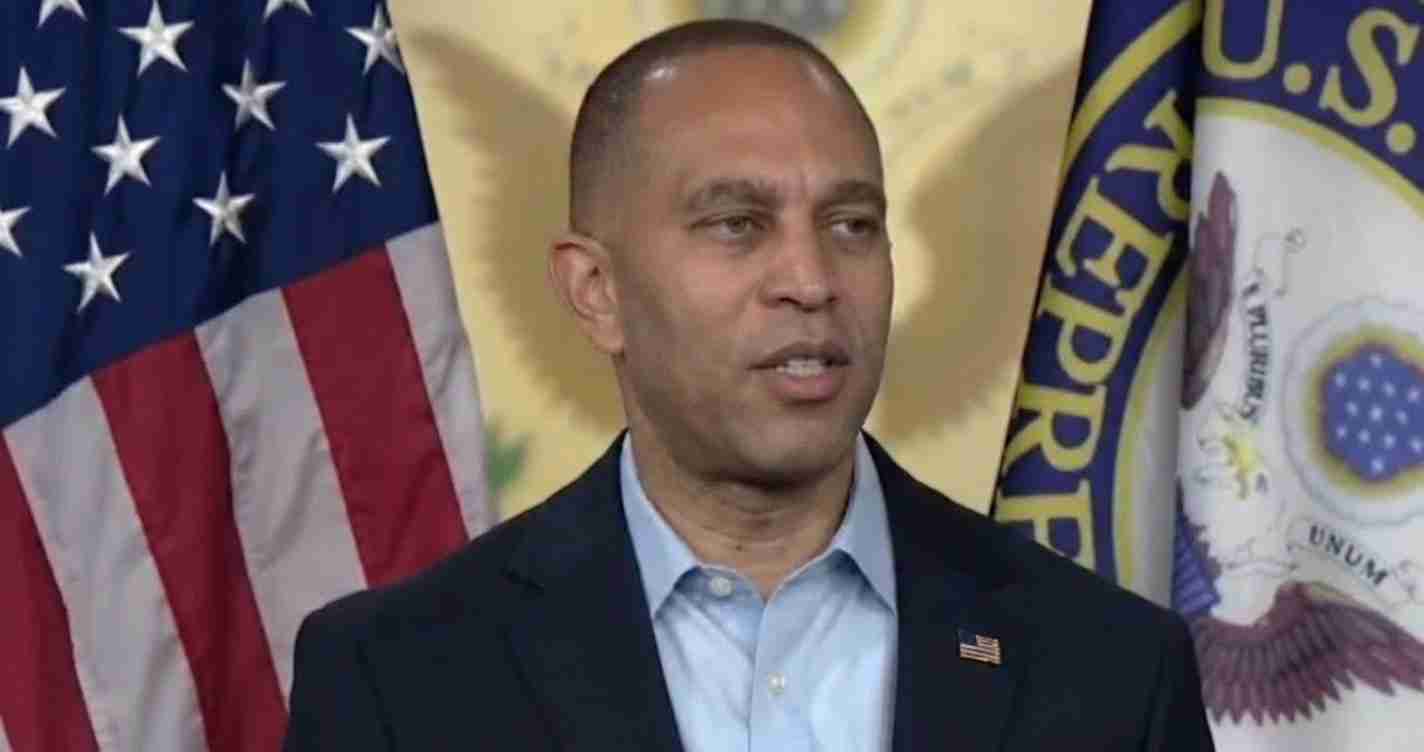
House Democratic leaders, including Minority Leader Hakeem Jeffries, opposed the bill, arguing it lacked adequate guardrails to limit potential ICE abuses. Opposition intensified after the fatal Minneapolis encounter involving an ICE agent and Renee Nicole Good, which fueled calls for stronger limits on agency authority.
“I think all the guardrails in the world don’t make sense if the administration isn’t going to follow the law and the language that we pass,” said Rep. Pete Aguilar (D‑Calif.), reflecting leadership frustration over enforceability.
Democrats also criticized a separate Republican proposal to add roughly $75 billion over four years for expanded ICE detention capacity and hiring, saying it would further expand enforcement without sufficient accountability.
What the DHS bill funds
The DHS spending bill allocates $64.4 billion to the department, including roughly $10 billion for ICE, a level near current funding rather than a cut. Supporters said the funding sustains border‑security and homeland‑safety programs; opponents urged more oversight and legal guardrails to protect civil rights.
The package also contains policy riders backed by Republicans addressing operational issues at DHS; Democrats said those riders do not sufficiently restrict certain ICE tactics or add meaningful accountability.
The path to the Senate
Bills now head to the Senate, where procedural hurdles require cloture votes and likely Democratic support to reach a 60‑vote threshold on controversial measures. Some Senate Democrats, including Sen. Chris Murphy (D‑Conn.), signaled they may not support the package in its current form, suggesting further negotiations or changes are possible.
Why this matters for the shutdown deadline
Congress faces a partial government shutdown deadline on Jan. 30 if funding is not enacted. Passage of these House bills is a major step toward avoiding that outcome; if the Senate concurs and the president signs, departments would have full‑year funding through fiscal 2026, marking a rare completion of regular appropriations.
Implications
Economic impact
Full‑year funding would provide agencies and contractors with certainty for fiscal 2026, reducing furlough risks, contract disruptions, and payment delays. Border communities and local economies tied to enforcement and detention could see continued federal activity.
Political consequences
The seven Democrats who supported the DHS bill may face criticism from party leaders and progressive activists, while Republicans can highlight progress toward funding core federal functions. The vote underscores tension between enforcement priorities and calls for accountability.
Social and cultural effects
Communities concerned about immigration enforcement will closely watch ICE’s use of its budget. Advocates for enforcement argue steady funding is needed for border security; critics demand transparency and limits after high‑profile incidents. The debate reflects a broader cultural divide over immigration policy.
Practical effects for residents
If enacted, federal services funded by the included departments would continue without interruption: travelers, students, patients, and service recipients would face fewer disruptions than in a shutdown. Border‑area residents should expect continued federal enforcement activity supported by the DHS and ICE budgets.
What to watch next
- Senate action: Whether negotiators can secure enough Democratic votes to reach 60 and whether amendments are adopted.
- Public pressure: Activists and local officials may influence Senate negotiations and potential changes.
- Timeline: The Jan. 30 deadline makes the timeline tight and increases the odds of continued talks.
Reporting notes and sources
This article draws on reporting for vote counts, funding figures, and lawmakers’ statements. See full coverage at:



