
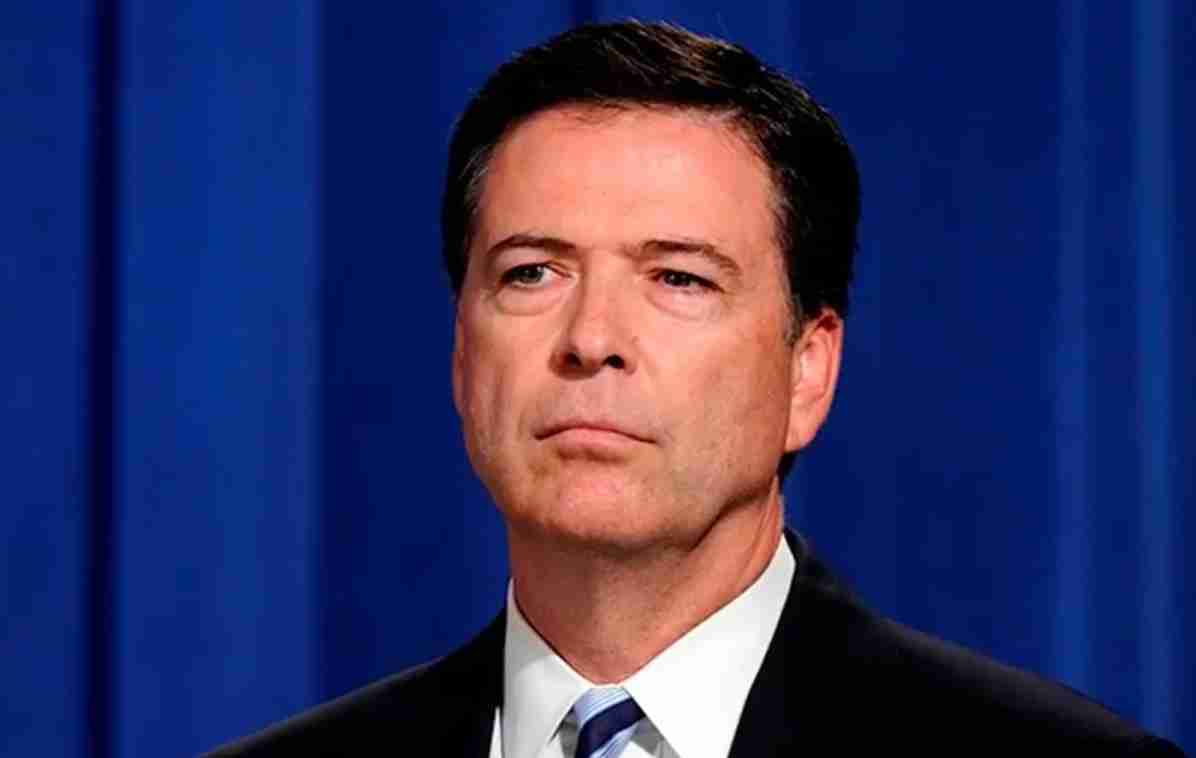
Former FBI Director James Comey indicted on false statements, obstruction charges tied to Crossfire Hurricane testimony
Former FBI Director James Comey was indicted on September 25, 2025, by a grand jury on charges of false statements and obstruction tied to his congressional testimony about the FBI’s Crossfire Hurricane investigation, escalating scrutiny of his tenure.
- Who: Former FBI Director James Comey.
- What: Indicted on two federal counts — one count of making false statements and one count of obstruction of justice — linked to his Sept. 30, 2020 congressional testimony (iHeart 700WLW, CBS News).
- Why: Prosecutors allege Comey falsely denied authorizing any FBI employee to act as an anonymous source and obstructed a congressional probe into disclosure of sensitive information (CBS News).
Background: Crossfire Hurricane and Comey’s role
The Crossfire Hurricane investigation was a counterintelligence probe opened by the FBI in 2016 to examine potential links between the Trump campaign and Russian officials during the 2016 election. James Comey served as FBI Director from 2013 until his dismissal in May 2017, an event that spurred additional scrutiny and investigations.
As FBI director, Comey oversaw multiple high-profile matters that intersected law enforcement and politics. That history amplifies the impact of this indictment across Washington and state capitals, with major outlets reporting the development late Thursday (iHeart 700WLW, CBS News, YouTube).
Charges and the alleged conduct
The indictment filed Sept. 25 alleges two federal crimes. Prosecutors contend that during his Sept. 30, 2020 congressional testimony Comey falsely denied authorizing any FBI employee to serve as an anonymous source. It also charges him with obstruction of a congressional proceeding concerning disclosure of sensitive information (CBS News).
Attorney General Pam Bondi said the indictment reflects that “no one is above the law,” framing the action as accountability for public officials (CBS News).
Grand jury proceedings and prosecutorial context
A grand jury returned the two counts against Comey but declined to approve an additional proposed count of lying to Congress — an unusual move that observers say is noteworthy in the case record (CBS News).
The prosecution is led by U.S. Attorney Lindsey Halligan, who was recently appointed and has represented former President Trump in prior matters, a fact commentators note may raise questions about political context and appearances. Prosecutors also faced a looming five-year statute of limitations for certain offenses tied to 2020 testimony, which affected timing (iHeart 700WLW, CBS News).
Political reactions and public statements
The indictment prompted rapid political responses. Former President Trump celebrated the charges on social media, calling Comey “one of the worst human beings this Country has ever been exposed to,” characterizing the move as overdue accountability (CBS News).
Supporters of the prosecution echoed Attorney General Bondi’s statement that “no one is above the law.” Critics counter that criminal law should not be used to settle political disputes and warn that such cases require careful, nonpartisan handling to preserve public confidence in justice (iHeart 700WLW, CBS News).
Comey’s response and possible defenses
Comey has denied wrongdoing and asserted that his testimony was truthful, indicating he intends to contest the charges in court. Typical defense strategies in similar cases emphasize memory lapses, ambiguous phrasing, or lack of intent to deceive — elements prosecutors must disprove beyond a reasonable doubt (iHeart 700WLW).
Legal analysts highlight the grand jury’s refusal to approve an additional charge as potentially reflective of evidentiary gaps or prosecutorial choices. Expect dense testimony at trial about internal FBI practices, classified-information rules, and anonymous-source protocols (CBS News, YouTube).
Why the case matters nationally
This indictment raises national questions about the limits of federal investigative power, responsibilities of senior law enforcement leaders, and the political fallout from high-profile probes such as Crossfire Hurricane. For many, it revives debate over whether federal agencies acted appropriately during a turbulent political era (Wikipedia).
Observers will watch how prosecutors balance enforcement with nonpartisan aims, and how the justice system navigates cases involving former senior officials where public trust and political narratives collide.
Implications for the United States
Legal and institutional impact: A conviction could set precedent for holding officials accountable for congressional testimony; an acquittal or dismissal could underscore the difficulty of proving false-statement or obstruction charges in complex agency contexts.
Political consequences: The indictment is likely to deepen partisan divides and will be used by allies and opponents to advance competing narratives about fairness and politicization.
Practical effects: Current and former officials may become more cautious when testifying before Congress, increasing counsel usage, claims of privilege, or refusals to answer, complicating oversight.
Judicial and administrative fallout: The case could prompt congressional hearings, inspector general reviews, or policy changes within the FBI and Justice Department on anonymous sources and disclosure rules.
Public trust: High-profile prosecutions of once-prominent officials influence public confidence: some will view the indictment as accountability, others as politically driven.
What to watch next
- Court filings and arraignment dates for Comey (CBS News, iHeart 700WLW).
- Whether prosecutors pursue additional charges or a plea resolution (CBS News).
- Congressional responses and oversight measures related to the Crossfire Hurricane probe and FBI practices.
- Statements and legal filings from Comey’s defense team (iHeart 700WLW).
Sources and reporting note
Reporting in this story relied on published accounts and official statements from major outlets and public records, including coverage by 700WLW (iHeart), CBS News, video summaries on YouTube, and background from Wikipedia.



