
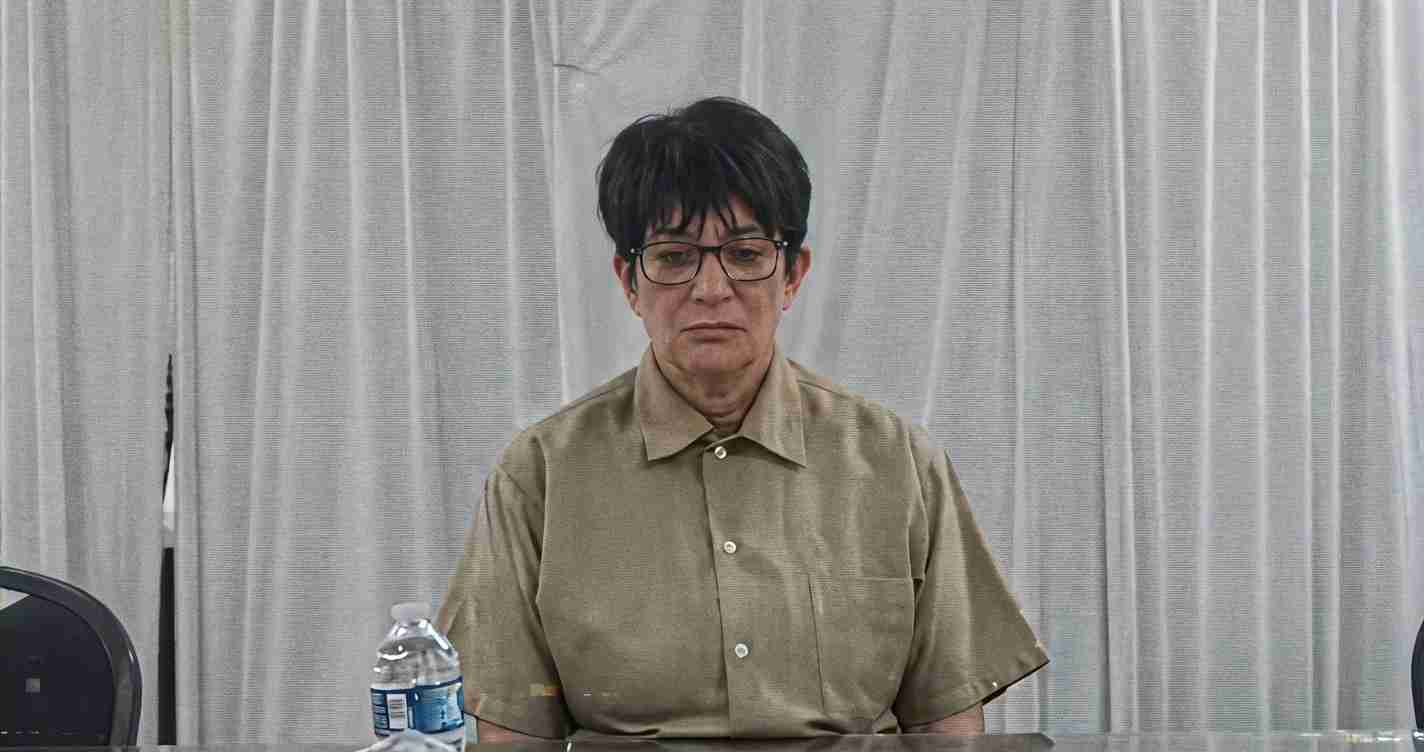
Maxwell Pleads the Fifth, Offers Testimony Only if Trump Grants Clemency — House Oversight Deposition Ends in Under an Hour
Ghislaine Maxwell invoked her Fifth Amendment rights in a virtual deposition before the House Oversight Committee on Feb. 9, 2026, offering to testify only if President Trump granted clemency — a conditional offer that ended the session in under an hour.
Key takeaways
- ABC News: Maxwell invoked the Fifth during a closed, virtual deposition on Feb. 9, 2026, refusing to answer questions tied to the Epstein investigation.
- Session length: The appearance lasted under an hour and was described as brief and unproductive.
- Attorney offer: David Oscar Markus said Maxwell would speak fully only if granted clemency by President Trump, and stated she had “no indication” that Presidents Trump or Clinton were culpable.
- Committee response: The probe continues with additional depositions and access to unredacted Epstein files that may shape future inquiries.
What happened in the deposition
The virtual deposition began Monday morning with Maxwell connected from a federal prison camp in Bryan, Texas. On the advice of counsel, she invoked the Fifth Amendment and declined to answer questions related to Jeffrey Epstein’s network and the federal handling of the case. Lawmakers described the appearance as brief and unproductive for investigators seeking new information. (Source: ABC News.)
Attorney’s conditional offer
In prepared remarks delivered to the committee and posted on X, attorney David Oscar Markus said Maxwell would provide a full, “unfiltered” account only if President Trump granted clemency. Markus framed the offer as a path to the truth:
“If this Committee and the American public truly want to hear the unfiltered truth about what happened, there is a straightforward path. Ms. Maxwell is prepared to speak fully and honestly if granted clemency by President Trump. Only she can provide the complete account. Some may not like what they hear, but the truth matters.”
Markus also told lawmakers Maxwell had no indication that President Trump or former President Bill Clinton were culpable, and cited ongoing legal proceedings — including an active habeas corpus petition and prior requests for immunity — as reasons counsel advised invoking the Fifth. (Sources: Politico, ABC News.)
House Oversight’s reaction
Chair James Comer pushed back on Maxwell’s decision, saying lawmakers were denied answers “that every American has” and that he does not believe she should receive clemency. Republican members suggested the refusal could be a leverage tactic for a future pardon, while Democratic members called the clemency offer brazen and criticized Maxwell for failing to provide closure to survivors. (Sources: ABC News, Politico.)
Legal context: Fifth Amendment, immunity and habeas
Invoking the Fifth Amendment is a constitutional right allowing a witness to refuse to answer questions that could be self-incriminating. Maxwell previously requested immunity in exchange for testimony; after consulting with survivors, the committee declined that request. Her counsel also pointed to an active habeas corpus petition seeking to challenge or reduce her conviction — factors legal advisers said provided a valid basis to recommend a Fifth Amendment invocation during a congressional deposition. (Source: ABC News.)
Ongoing inquiries and next steps
Despite the setback, the House Oversight Committee is continuing its bipartisan probe. The committee has scheduled additional high-profile depositions, including Leslie Wexner on Feb. 18, former Secretary of State Hillary Clinton on Feb. 26 and former President Bill Clinton on Feb. 27. Members were also given access to unredacted Epstein files the Department of Justice had withheld, and the committee plans to interview Epstein’s accountant and lawyer — materials that may shape further subpoenas and hearings. (Source: ABC News.)
Source material and public record
Reporting on the deposition and Markus’s statements is drawn from contemporaneous coverage and the committee’s public statements. For detailed accounts and quotes, see ABC News and Politico. Video of related proceedings and remarks is available from recorded committee feeds on YouTube.
Implications for the United States
- Legal and rule-of-law concerns: The case tests how investigators balance constitutional protections with the public interest in transparent fact-finding. The committee’s refusal of immunity to honor survivors’ interests contrasts with Maxwell’s clemency pitch, which shifts attention to executive power.
- Executive clemency debate: Maxwell’s conditional offer revives questions about the scope and propriety of presidential pardons and whether clemency in exchange for testimony would set a precedent or merit further scrutiny.
- Congressional oversight: Access to unredacted records could produce new evidence; the committee’s ability to secure facts will be a test of bipartisan accountability and investigatory reach.
- Impact on survivors and public trust: Survivors and advocacy groups view the refusal and clemency pitch as impediments to accountability; many remain focused on whether the full truth about Epstein’s network and government handling will emerge.
Reporting and sources
This account is based on contemporaneous news reporting and committee statements. Primary coverage and materials referenced here include ABC News, Politico, and related committee video available on YouTube.



