
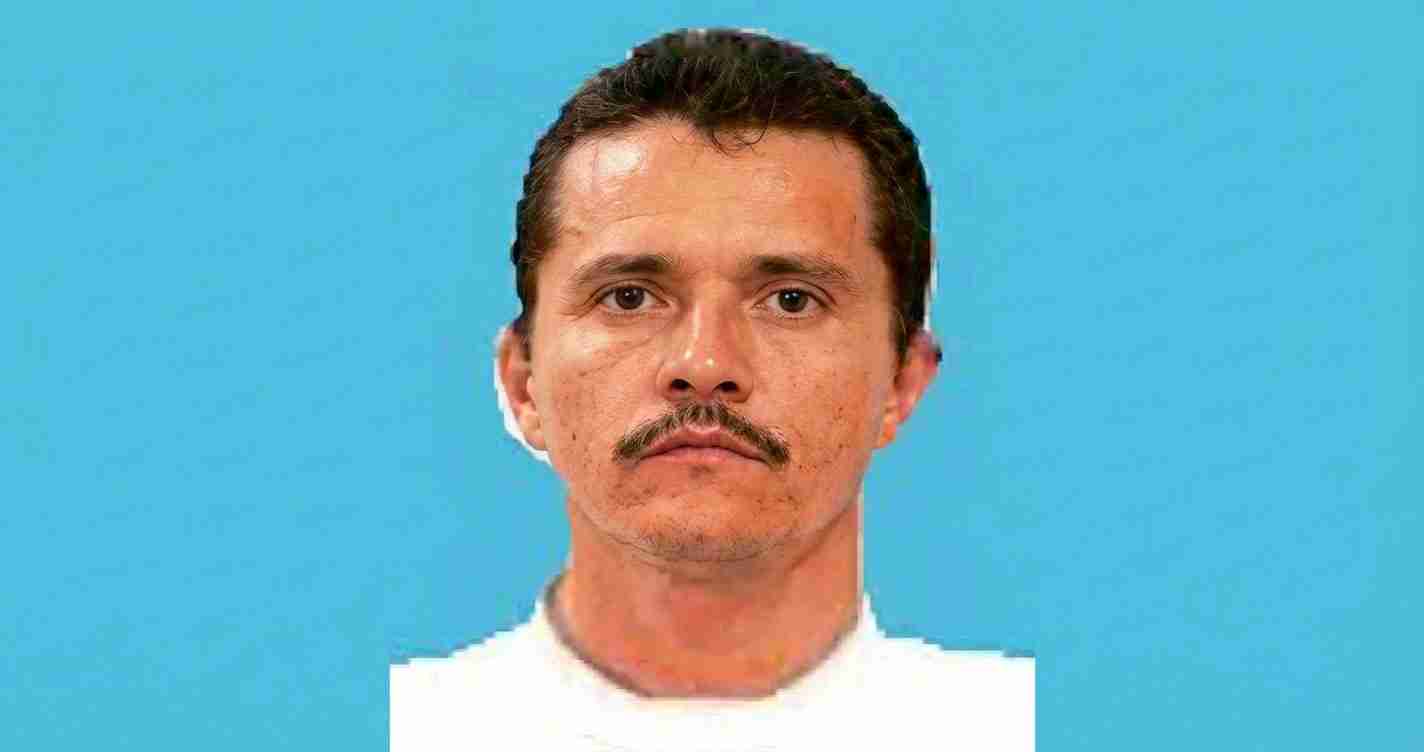
El Mencho Killed in Jalisco: Mexican Military Operation Kills CJNG Leader in Tapalpa
Nemesio Rubén Oseguera Cervantes, “El Mencho,” leader of Cartel Jalisco Nueva Generación (CJNG), was killed Feb. 22, 2026, during a Mexican military raid in Tapalpa, Jalisco; he died of wounds while being airlifted to Mexico City.
Key takeaways
- El Mencho killed: The Mexican Defense Ministry said he suffered fatal wounds in a raid on Feb. 22 and died while being airlifted; six alleged cartel members were killed and three Mexican soldiers were injured — Los Angeles Times, Wikipedia.
- U.S. intelligence support: Mexican officials said the operation involved bilateral coordination and that U.S. authorities provided complementary intelligence that helped locate the target — Los Angeles Times, Fox News.
- Violence and unrest followed: Roadblocks, fires and shootouts were reported in Jalisco and more than a dozen other states where CJNG operates, and the U.S. Embassy issued shelter-in-place advisories — Los Angeles Times, Fox News.
The operation and how it unfolded
Mexican troops moved on a target in the hilly municipality of Tapalpa, a region described as a CJNG stronghold. Government statements and reporting indicate this was a military raid carried out with intelligence that included tips from U.S. partners. Forces engaged suspects on the ground; officials reported six suspected cartel members killed and some soldiers wounded and evacuated for medical care. Reporting and official statements provide the operational timeline and casualty details (Los Angeles Times).
Wounded and airlifted: El Mencho was wounded during the raid. Military officials say he was being flown to a hospital in Mexico City but did not survive. The Defense Ministry announced his death and pledged to continue operations to dismantle CJNG networks across the country (Los Angeles Times; Wikipedia).
Immediate aftermath and spread of violence
News of El Mencho’s death prompted immediate unrest. Local authorities reported roadblocks, armed confrontations and vehicle fires in Jalisco that quickly spread to states where CJNG has cells and rivals. State governors and the federal government increased security patrols in response to the violence and to protect critical infrastructure and civilians (Los Angeles Times).
U.S. Embassy advisory: The U.S. Embassy in Mexico issued shelter-in-place advisories for multiple states amid warnings of clashes and wider criminal activity, underscoring the cross-border consequences of cartel reprisals (Los Angeles Times).
Who El Mencho was and why CJNG matters
Nemesio Oseguera Cervantes rose from modest roots to lead one of Mexico’s most violent and capable cartels. Born around 1967 and believed to be 59 at the time of his death, he once worked as a small-time dealer in California and was arrested in San Francisco in 1992 before being deported to Mexico, where he leveraged local police and criminal networks to expand his reach (Wikipedia; Los Angeles Times).
CJNG’s profile: After arrests of other leaders in the late 2000s, El Mencho built CJNG into a national and global trafficking enterprise known for moving heroin, methamphetamine and fentanyl to the United States, and for brutal tactics at home. The group has used armored vehicles, drones, land mines and heavy weapons; a 2015 attack that downed a military helicopter illustrated its firepower (Los Angeles Times; Wikipedia).
Reward: A $15 million reward from U.S. authorities had been offered for information leading to his capture, reflecting his pivotal role in trafficking to the United States (Wikipedia).
Family, past rumors and verification
El Mencho’s family ties drew U.S. law enforcement attention. His son, Rubén Oseguera González (“El Menchito”), was extradited to the U.S. in 2020 and later convicted on drug and weapons charges; he is serving a life term in a U.S. prison (Los Angeles Times).
Other family members faced legal actions, including money laundering investigations and sanctions. Rumors of El Mencho’s death circulated before — notably in 2022 — and were previously denied by authorities, making the 2026 official confirmation particularly significant (Wikipedia; Los Angeles Times).
How this compares to past takedowns
Analysts call the killing of El Mencho the largest blow to a cartel leader since the capture of Joaquín “El Chapo” Guzmán in 2016. That earlier arrest fragmented the Sinaloa cartel and triggered new conflicts; the CJNG leader’s death could similarly weaken top command or spark violent struggles as rivals seek territory and trafficking routes (Wikipedia; Los Angeles Times).
Short-term risk: Experts warn power vacuums often cause spikes in violence; CJNG’s extensive network of lieutenants, cells and international contacts means Mexico’s government must continue targeted operations to dismantle remaining structures (Los Angeles Times).
U.S. role and reactions
U.S. officials acknowledged a supporting intelligence role. The Mexican Defense Ministry said U.S. authorities provided complementary intelligence that contributed to locating El Mencho. U.S. Deputy Secretary of State Christopher Landau posted on X that the development was “a great development for Mexico, the US, Latin America, and the world. The good guys are stronger than the bad guys” (Los Angeles Times; Fox News).
“A great development for Mexico, the US, Latin America, and the world. The good guys are stronger than the bad guys.” — Christopher Landau (posted on X).
Implications for United States
Economic impact: CJNG has been a major supplier of fentanyl to the United States. Leadership disruption may slow some shipments but could also fragment networks and shift trafficking routes. U.S. public health and law enforcement should expect short-term changes in drug flows and maintain overdose surveillance.
Political consequences: The operation arrives amid Washington pressure for stronger action against cartels; the U.S. role will shape debates on border security, intelligence cooperation, and funding for counterdrug efforts.
Security and law enforcement: Agencies such as the DEA, FBI and CBP will likely increase monitoring of suspected CJNG networks, with arrests, seizures and targeted sanctions probable. Criminal tactics may adapt to become faster and more covert.
Social effects and public safety: Communities affected by fentanyl may not see immediate relief; existing stockpiles and demand mean local health and first responder resources must remain focused on prevention, treatment access and overdose response.
Border and diplomatic implications: The operation highlights the need for steady U.S.–Mexico cooperation on intelligence sharing and border security, while raising questions about the appropriate level of U.S. involvement on Mexican soil.
Practical steps for U.S. residents and travelers
- Follow official guidance: Americans in Mexico should heed local advisories and the U.S. Embassy’s instructions, avoid areas with reported unrest, and register with the embassy when traveling to high-risk states.
- Community action: Families in communities affected by fentanyl should seek resources on addiction treatment and overdose prevention; local public health agencies should maintain outreach and surveillance.
- Stay informed: Monitor official statements and reputable reporting for updates on security conditions and law enforcement actions (Los Angeles Times; Fox News).



