Hundreds of Iranian‑Americans March in NYC to Celebrate Reported Death of Ayatollah Khamenei; Calls Grow for Reza Pahlavi, Mixed Reactions Nationwide
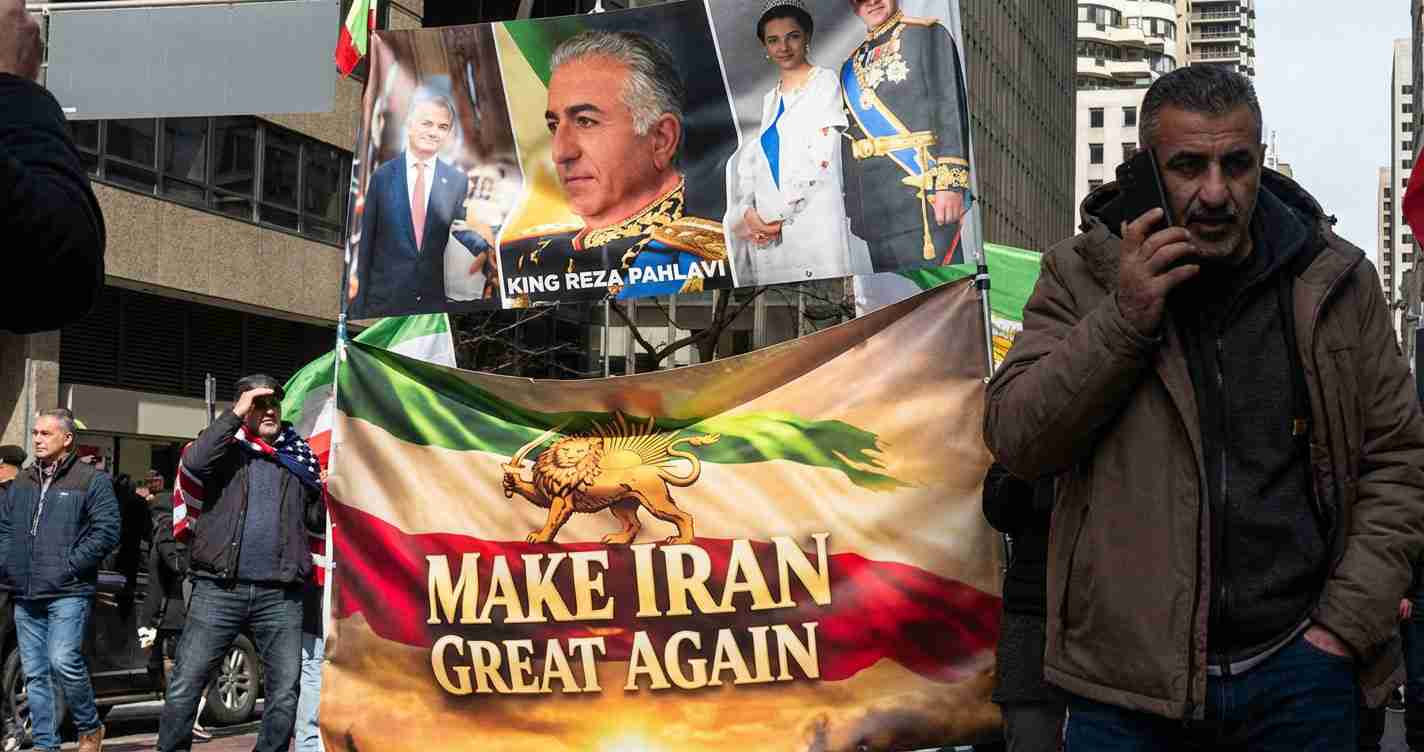
Hundreds of Iranian‑Americans marched through Midtown Manhattan and Times Square on March 1, 2026, celebrating reports that U.S.-Israel strikes killed Iran’s Supreme Leader Ayatollah Ali Khamenei and calling for Reza Pahlavi to lead a transitional government.
Key takeaways
- Hundreds gathered in Midtown Manhattan and Times Square to celebrate the reported killing of Ayatollah Ali Khamenei.
- The march was organized by the Lion and Sun group, which supports returning ex‑Crown Prince Reza Pahlavi to lead a transitional government.
- Protesters both honored protesters killed during crackdowns after the Mahsa Amini protests and expressed celebration; similar and mixed demonstrations occurred across North America, including in Los Angeles, Boston and Toronto.
- Anti‑war rallies and debates over congressional approval of military action have grown in parallel to pro‑action demonstrations.
March in New York: voices, symbols and organizers
Sunday’s march wound through Midtown, with many participants converging near Times Square. Organizers said their goal was to honor those killed in recent Iranian protests and press for political change in Tehran. The event was organized by the Lion and Sun group, which advocates for Reza Pahlavi to serve as a temporary leader until Iranians choose their future (source: CBS News).
Symbols: Demonstrators carried the pre‑1979 Persian flag, alongside U.S. and Israeli banners, and chanted for political change. Organizers described the procession as both a memorial for victims of repression and a call for a new political path.
“I was crying and dancing the whole day yesterday after 50 days of torture. They killed so many innocent lives.” — Foujan Gharib, NYU student who left Iran in 2023 (reported by CBS News).
Other voices: Manhattan resident Fariborz Aghili described the event as “a memorial and a celebration”: “We are honoring all the people that were murdered by the Ayatollah regime 50 days ago and also celebrating the death of the Ayatollah.” Shadi Hosseini, who fled Iran after 1979, said many families inside Iran, including Baha’i relatives, have lost loved ones and are suffering (source: CBS News).
Support for U.S. action and mixed feelings
Some marchers publicly thanked U.S. political leaders for the strikes; posters reading “Thank you, Trump” were visible at several North American rallies. At the same time, participants and observers acknowledged the human cost of military strikes. Riag Javid, head of the Persian American Parade, noted U.S. service member casualties and expressed sympathy: “It hurts. With all my heart I feel bad for them, but they are our heroes.” Officials reported three American service members killed in the strikes (source: CBS News).
Nationwide and North American reactions
The New York march was part of a broader wave of demonstrations across the U.S. and Canada. Large crowds gathered in Los Angeles — often called “Tehrangeles” — waving U.S. and Israeli flags, playing Persian music, displaying shah‑era banners and sometimes Trump signs. Demonstrations also occurred in Boston, Toronto and other cities with sizable Iranian diasporas (coverage: NBC Right Now; NPR‑affiliated coverage of Los Angeles).
Parallel to pro‑action rallies, anti‑war and anti‑escalation demonstrations formed in many U.S. cities. In New York, crowds marched from Times Square to Columbus Circle urging restraint and congressional oversight, with Mayor Zoran Mamdani calling the strikes a “catastrophic escalation.” Those protests included socialist, pro‑Palestinian and anti‑war groups (reporting: AM New York; analysis: Premium Times).
Context of the strikes: what officials say
U.S. and Israeli officials said the strikes targeted Iran’s leadership to respond to perceived threats and to degrade the regime’s ability to hit U.S. interests. President Trump announced Khamenei’s death and framed the strikes as necessary; Iranian state media later confirmed the supreme leader’s death and reported widespread casualties among senior officials. Iranian mourners gathered in Tehran’s Enghelab Square and the Islamic Revolutionary Guard Corps vowed retaliation, raising fears of broader regional conflict (reporting: NBC Right Now; Premium Times).
Political and legal debate at home
The strikes have deepened domestic debate: many Republicans praised the action as decisive, while critics faulted the White House for acting without explicit congressional authorization. Anti‑war demonstrators warn that strikes could inflame violence and entangle U.S. forces; supporters in the Iranian‑American community argue that removing Khamenei could open space for Iranians seeking democracy (analysis: Premium Times).
Investigative notes and gaps
Reporting on the NYC march relied on eyewitness accounts, organizer statements and local coverage; exact turnout figures vary and organizers described “hundreds.” The Lion and Sun group’s full platform and operational details were not widely documented in press reports. Officials have confirmed Khamenei’s death and dozens of senior casualties, but independent international verification of all reported casualties is limited amid ongoing conflict (source: CBS News).
Implications for the United States
Economic
Markets reacted to the strikes and the possibility of wider conflict. Energy prices and defense stocks often move on such news; sustained regional fighting could push oil prices higher, affect inflation and consumer costs, and disrupt supply chains tied to regional shipping (context: broader reporting on regional risk).
Political consequences
The strikes and domestic rallies have sharpened partisan divides. Supporters within the Iranian‑American community may reinforce security messaging aligned with Republican leaders, while opponents press for checks on executive war powers. This split could shape midterm campaigns and oversight hearings.
Social and cultural effects
Iranian‑American communities are visibly divided: some view the strikes as liberation, others fear retaliation against relatives in Iran and worry about civilian harm. The use of the pre‑1979 Persian flag, chants for Reza Pahlavi and gratitude toward U.S. leaders reflect a strand of diaspora identity favoring secular or monarchical alternatives, and highlight intergenerational differences over goals for Iran’s future (reporting: AM New York).
Practical applications for residents
Cities with large Iranian communities should expect heightened security at public events, more protests both supporting and opposing U.S. action, and increased engagement with elected officials on foreign‑policy and consular matters. Families with relatives in Iran should consult travel and consular advisories, and community organizations may offer support for those facing stress tied to the conflict (coverage: CBS News; NBC Right Now).
Reporting and sources
- CBS News — NYC march coverage
- AM New York — local political context
- NBC Right Now — North American demonstrations
- Premium Times — analysis of political/legal debate
- WXXI/NPR‑affiliated coverage — Los Angeles reactions
Note: This article preserves on‑the‑record reporting and links to source coverage from local and national outlets covering the New York march and related North American reactions.