NEW YORK, Aug. 13 (Our New York News) — New York City Mayor Zohran Mamdani has proposed five publicly supported grocery stores, one in each borough, with the first expected to open in Hunts Point in the Bronx in late 2027. The plan has drawn concern from grocery executive John Catsimatidis, who says city-backed stores could compete with bodegas and supermarkets while benefiting from lower operating costs.
The stores have not opened, and several details — including their final ownership structure, operators and funding for ongoing costs — have not been established.
What is Mamdani proposing?
Mamdani’s administration says the city would provide locations for five grocery stores and cover property taxes and rent. The city has allocated $70 million in capital funding for the proposal, according to the administration.
An earlier account of the plan cited a $60 million estimate. The available information does not explain whether the difference reflects a revised proposal or different types of costs.
The proposed stores would be located in Hunts Point, East Harlem, Brooklyn, Queens and Staten Island. Mamdani has said he hopes all five will be operating before the end of his term in 2030.
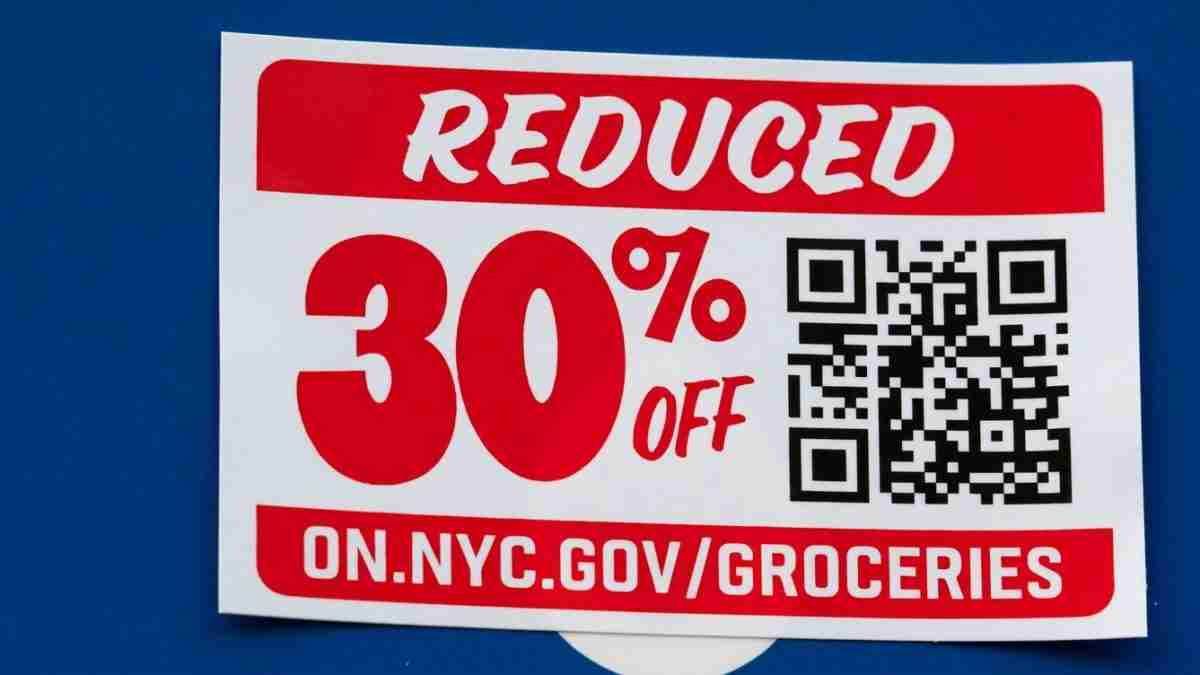
The administration says the stores would offer a 30% discount on a core basket of everyday goods, including meat, seafood and fresh produce. It has also projected average savings of about $90 per month for shoppers.
Those figures are targets or projections, not results from stores that are already operating.
Who would run the stores?
Later descriptions of the proposal say private grocery operators could manage staffing, product sourcing and merchandising. Under that model, the city would provide the locations, set pricing requirements and absorb major occupancy costs.
The available accounts do not identify the private operators or provide a final city contract. They also do not establish how the stores would choose suppliers, set the full product basket or determine which shoppers would be eligible to buy goods there.
That distinction matters for businesses. A store managed by a private operator would still compete for customers and workers, but it could face a different cost structure if the city pays rent and property taxes.
Why is Catsimatidis objecting?
Catsimatidis, the chief executive of Gristedes and founder of Red Apple Group, argues that the plan would put government-supported stores in competition with existing private retailers.
“The fact is the people [Mamdani] is going to hurt are the current bodegas or the current supermarkets in those neighborhoods,” Catsimatidis said, according to Fox News.
He said a retailer that did not pay rent or real estate taxes could reduce prices substantially. “If I don’t pay any rent or real estate taxes, I can bring down the cost of a product 20% across the board,” he said.
His argument is that lower prices at city-supported stores could shift sales away from neighborhood grocers, potentially affecting their revenue, workers and ability to remain open. That is a warning about a possible outcome, not a documented result: no city-run stores under this proposal are operating yet, and the available information does not include an independent analysis of the effect on existing businesses.
Catsimatidis has also used broader political language to criticize the proposal, saying, “You’re going to end up like Havana.”
What do supporters and other critics say?
Mamdani has presented the discounts as a way to lower food costs for New Yorkers. “Thirty percent off adds up to real money for New Yorkers,” he said, according to USA Today.
Critics have focused on the role of public money. Adam Lehodey, identified by USA Today as a Manhattan Institute policy analyst, said the advertised savings could be offset by taxpayer subsidies. Small Business Administration Administrator Kelly Loeffler also criticized the proposal in a post on X, according to USA Today.
The central financial question is how much the city would spend beyond the initial capital allocation. The available information does not establish the stores’ long-term operating costs, the source of any continuing subsidy, expected sales or whether the stores would eventually cover their own expenses.
What happens next?
The proposal remains in the planning stage. The first target is a late-2027 opening in Hunts Point, followed by a goal of having five stores operating before 2030.
Before that can happen, the city would need to settle the locations, procurement process, operating agreements, product selection, pricing rules and eligibility requirements. Those decisions will determine how the stores affect shoppers, taxpayers, workers and private grocery businesses across New York City.