Tourist dies after entering closed Kīlauea caldera, highlighting a pattern of visitors ignoring national park safety warnings
A 33-year-old Hawaii resident died after knowingly entering a restricted section of Kīlauea caldera at Hawaii Volcanoes National Park on Feb. 26, prompting an overnight search and highlighting a broader pattern of visitors ignoring critical safety warnings and park closures.
Key takeaways
- Restricted entry proved fatal: The man entered a closed east-side area of Kīlauea caldera on Feb. 26 and was located the next day after an overnight search.
- Rescue operations are costly and risky: Responders airlifted him to Hilo Benioff Medical Center on Feb. 27; he was pronounced dead and officials withheld his name while notifying family.
- Part of a nationwide trend: Experts and park officials say incidents reflect rising visitation and a pattern of ignoring barriers, signs and ranger guidance in national parks.
What happened at Kīlauea
Incident details: Park officials say the area the man entered contains unstable cliff edges, hidden cracks and other hazardous volcanic terrain. Crews and volunteer rescuers conducted an overnight search after he was reported missing; searchers located him the next day and arranged an airlift. Sources reporting on the event include WBZ NewsRadio and Big Island Video News.
Medical outcome: Responders airlifted the man on Feb. 27 and transported him to Hilo Benioff Medical Center, where he was pronounced dead; park officials notified family and withheld his name while privacy considerations were handled. (Reporting from Fox News, WBZ NewsRadio, and Big Island Video News.)
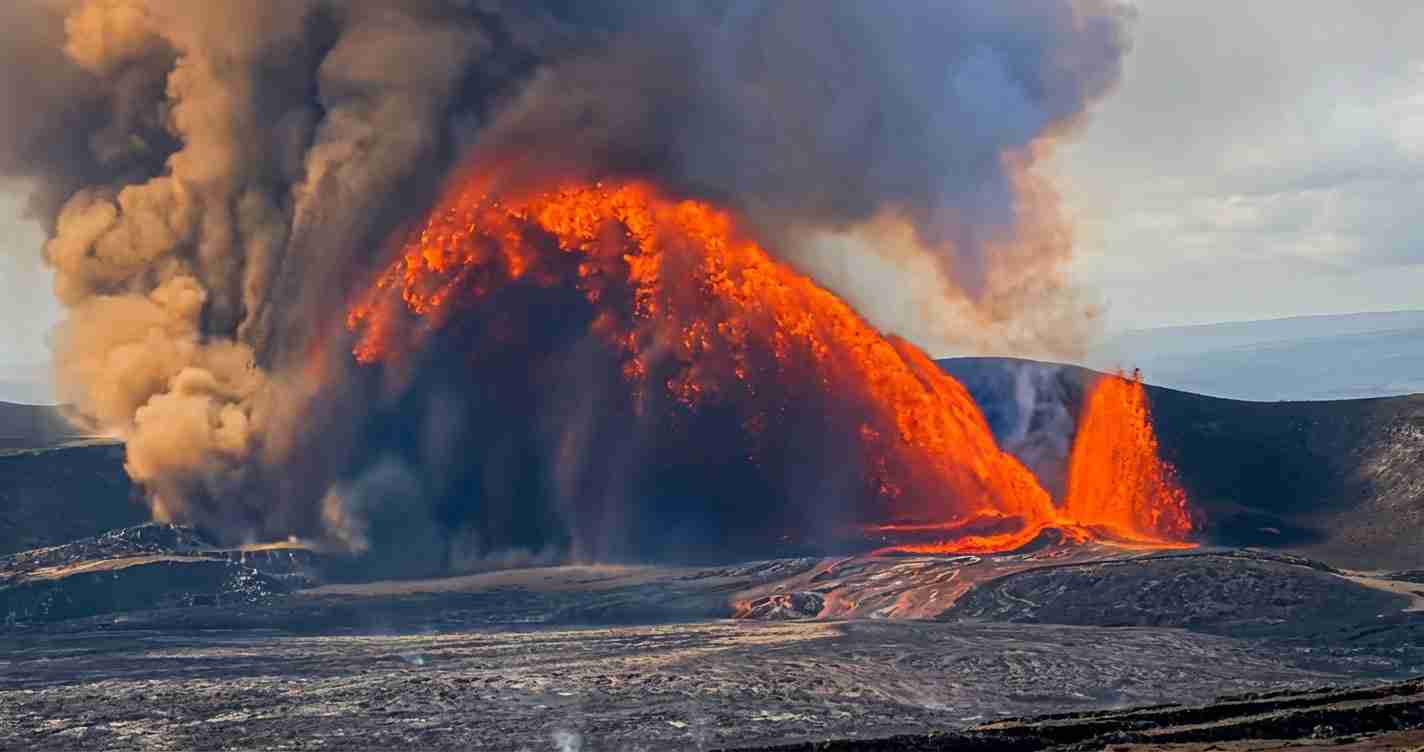
Volcanic activity: Kīlauea was not erupting at the time of the incident; the most recent lava episode had ended Feb. 15, according to Big Island Video News.
A broader pattern across parks
Officials and researchers say the Hawaii death follows a nationwide trend of visitors ignoring closures, barriers and ranger instructions. Dylan Spencer, an assistant professor of criminal justice and criminology at Georgia Southern University, noted that rising park visitation increases the likelihood of incidents. In his research, Recreation and disarray: Analysis of disorder in U.S. national parks, Spencer and co-authors link changing visitor expectations and higher visitor numbers to risk-taking behavior. (Reporting summarized by Fox News.)
Examples of recent incidents
- Yellowstone National Park: In April 2025 a Seattle tourist was sentenced to a week in jail after violating park rules and getting too close to Old Faithful; thermal areas require strict adherence to boardwalks and trails. (Report cited by Fox News.)
- Bryce Canyon, Utah: Last spring two tourists died after climbing over a rail at a scenic overlook. (Reported by Fox News.)
- Olympic National Park, Washington: In June 2026 an 18-year-old man slipped and fell about 50 feet near Sol Duc Falls. (Reported by Fox News.)
- Kīlauea and Hawaii incidents: Cameras and staff have caught people hiking into restricted zones to photograph eruptions; last June a 30-year-old man survived a 30-foot fall after leaving a trail to get closer to lava. (Reported by WBZ NewsRadio and Big Island Video News.)
Official warnings and ranger perspective
The National Park Service repeatedly urges visitors to stay on marked trails and overlooks, avoid climbing over barriers, and comply with all warning and trespassing signs. Bill Wade, executive director of the Association of National Park Rangers, said:
“Rangers know what the risks to visitors are in national parks and do everything reasonable they can to warn visitors of these risks and to keep them safe. Despite these warnings, some visitors seem insistent on ignoring the warnings — and some pay the price.”
(Source: Fox News and National Park Service guidance.)
Why visitors take risks
- Risk perception: Some visitors underestimate hazards or overestimate their abilities.
- Social media and photos: The desire for dramatic images can push people past lines and barriers.
- Overcrowding and novelty: An influx of first-time visitors unfamiliar with backcountry dangers raises risky behavior.
- Enforcement limits: Rangers cannot be everywhere; staffing and terrain make continuous monitoring difficult. (See Fox News reporting and National Park Service guidance.)
Costs to public safety and local resources
Unauthorized forays into closed areas trigger costly and hazardous search-and-rescue missions: helicopter airlifts, multi-agency responses and medical evacuations that strain local emergency services. In the Kīlauea case, crews worked overnight in steep terrain before mounting an airlift to Hilo—operations that carry real costs in time, personnel and equipment. (See reporting by WBZ NewsRadio and Big Island Video News.)
Legal consequences
Parks enforce laws and regulations with criminal penalties for trespass and disregarding closures. Prosecutors have pursued fines and jail time in clear-cut violations — notably the April 2025 Yellowstone case where a rule violation resulted in a one-week jail sentence — signaling that enforcement can carry serious consequences. (Fox News reporting.)
Implications for United States
Economic impact: Search-and-rescue and medical costs can fall on local agencies and taxpayers; reputations for danger may shift visitor patterns and affect businesses relying on steady tourism.
Public safety and resource strain: More off-limits incursions increase injuries and deaths, requiring more rangers, emergency personnel and equipment and stretching already pressured budgets.
Legal and policy pressures: High-profile incidents prompt calls for tougher enforcement, clearer signage and potential new laws; prosecutors have shown willingness to pursue jail time in flagrant cases.
Civic and cultural effects: The trend highlights a need for better public education about natural hazards; many visitors who grew up with urban parks may not understand the risks present in dynamic natural places like volcanoes and thermal basins.
Practical daily effects
For travelers: plan ahead, follow official guidance, bring proper gear, stay on trails and heed closures. For local residents: risky tourist behavior can mean louder emergency calls, increased traffic during rescues and potential economic ripple effects.
Sources and reporting
- Fox News
- WBZ NewsRadio (iHeart)
- Big Island Video News
- Reporting on the Yellowstone court case and thermal-area risks was cited in Fox News reporting (reporting cites SFGate and U.S. Geological Survey data).
Reporting note
Park officials notified the family of the Hawaii resident and withheld his name pending privacy considerations. The National Park Service continues to advise visitors to obey closures and warning signs to protect both themselves and first responders.