Swalwell’s Long-Running Ties to Suspected Chinese Operative Reignite Scrutiny as He Pushes Back on Allegations
U.S. Rep. Eric Swalwell’s past association with Christine Fang, identified as a suspected Chinese intelligence operative, has reignited scrutiny as reports detail an FBI defensive briefing, his severed ties and the absence of public evidence of wrongdoing.
Key takeaways
- Christine Fang has been described by officials as a suspected Ministry of State Security operative who targeted rising California politicians; reporting compiled in 2020 details those activities and outreach to local officials via Axios.
- Swalwell was briefed by federal counterintelligence agents around 2015, cut ties with Fang and has said he cooperated with investigators; public reporting does not show he knowingly committed espionage (Axios).
- Political debate continues: critics use the relationship to raise national security concerns while defenders note routine defensive briefings and lack of public evidence of criminal conduct (AEI commentary, Fox News).
Key information
U.S. reporting and official accounts describe Christine Fang (also called Fang Fang) as an alleged recruiter and influence operative tied to Chinese intelligence who sought relationships with up-and-coming California politicians between roughly 2011 and 2015. See reporting by Axios for compiled details of those activities.
Reporting indicates Fang bundled donations, recommended interns and positioned herself at events where rising officials gathered. She is reported to have cultivated ties with multiple local officials and, in some accounts, to have had sexual relationships with public figures as part of influence efforts. Fang reportedly left the U.S. by 2015 as scrutiny increased (Axios).
Background: who was Christine Fang and what she did
According to aggregated reporting, Fang sought to cultivate influence through networking, fundraising, personal ties and placements of interns and staffers. Investigative accounts describe a pattern of targeting younger politicians and staffers to build access to local and federal officials (Axios).
“She bundled donations for local campaigns, recommended staffers and positioned herself at events where rising officials gathered,” according to reporting compiled in 2020.
Swalwell’s interactions with Fang
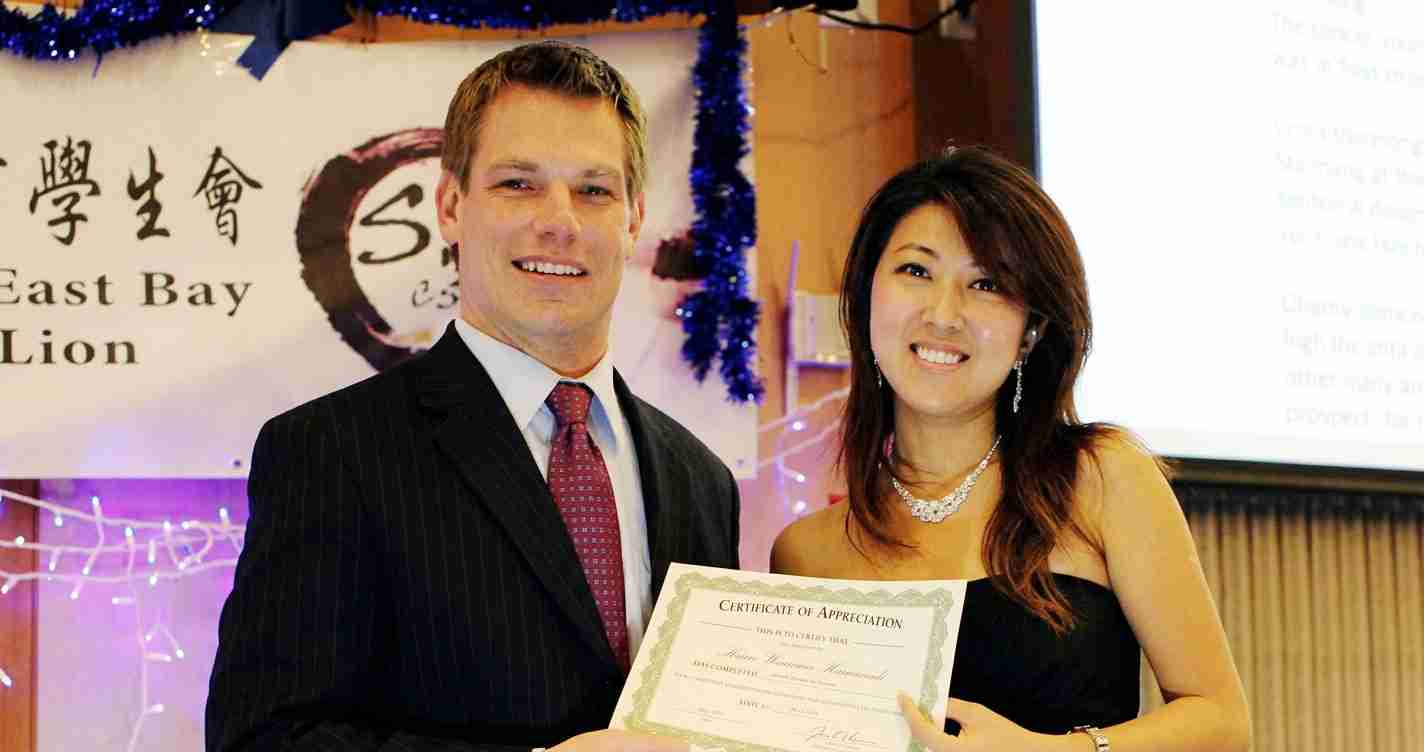
Eric Swalwell first met Fang while serving on the Dublin city council and during his early congressional campaigns. Reports say Fang bundled donations for Swalwell’s 2014 re-election effort, suggested at least one intern who later worked in his D.C. office, and appeared in social media photos and event settings where Swalwell met with foreign diplomats (Axios, Fox News).
When counterintelligence agents raised concerns in the mid-2010s, Swalwell has said he received an FBI defensive briefing, ceased contact with Fang and cooperated with investigators. Public records and reporting do not indicate he knowingly participated in espionage or passed classified materials (Axios).
What investigations and reporting have (and have not) shown
Coverage of Fang and her ties to U.S. officials has prompted bipartisan attention. Critics argue the relationship raises legitimate national security questions—especially given Swalwell’s past roles on oversight committees. Supporters counter that defensive briefings were provided and no public evidence of wrongdoing has emerged (AEI, Fox News).
Notably, Axios’s 2020 investigation reported that counterintelligence officials briefed Swalwell and that he cut ties; that reporting did not document formal charges or a public agency finding of misconduct (Axios).
Political fallout and the use of the issue in public debate
The connection has been leveraged in partisan debate and news commentary. Opponents highlight the optics of a lawmaker with prior engagement by a suspected foreign operative, arguing it raises national security concerns. Defenders emphasize the early FBI briefing, the severed ties and the lack of public evidence of criminality (AEI, Fox News).
Claims and counterclaims not corroborated by public reporting
Several circulating allegations lack confirmation in public records and major reporting. Examples include claims of a formal House Ethics investigation initiated by Kevin McCarthy in 2021, an FBI public clearance document that fully exonerates Swalwell in all respects, or criminal referrals tied to mortgage or tax fraud related to his home purchase—none of which are supported by the reviewed reporting (Axios).
Readers are advised to treat uncorroborated social media claims cautiously; verified releases from credible primary sources are required to substantiate new allegations.
Why this matters for national security scrutiny
The episode illustrates how foreign influence operations can target local and state officials and how U.S. counterintelligence uses defensive briefings to mitigate risk. Defensive briefings are a routine protective tool, but the secrecy surrounding counterintelligence can complicate public understanding and political accountability (Axios).
Analysts urge improved vetting, clearer disclosure rules for staff and interns, and better training for local officials who may be targeted; others warn against equating mere association with culpability absent evidence of intent or wrongdoing (AEI).
Implications for United States of America
Economic impact: Investor and business communities monitor national security risks tied to foreign influence. Persistent questions about officials’ ties to foreign operatives can erode trust and prompt stricter vetting of foreign investment and contractor relationships (Axios).
Political consequences: The episode fuels partisan debate over how to handle foreign influence; some policymakers may call for tougher disclosure rules and expanded counterintelligence resources while others emphasize due process and the absence of public evidence of wrongdoing (AEI).
Social and cultural effects: Coverage can deepen public suspicion of politics and increase demand for clearer guidance on contacts with foreign nationals. The case exemplifies broader public anxiety about foreign influence in American civic life.
Practical applications for residents and officials
- Training: Local officials and campaign staff should receive targeted counterintelligence awareness training and guidance on reporting suspicious contacts.
- Transparency: Voters and watchdog groups can press for clearer records on campaign bundlers and more robust screening for interns and staff with sensitive access.
- Policy: Lawmakers may consider updates to reconcile counterintelligence practice with public disclosure needs while protecting classified methods.
Sources and further reading
- Axios, “How a suspected Chinese spy befriended Bay Area politicians,” Dec. 2020
- American Enterprise Institute commentary, “The poetic justice in Eric Swalwell’s relationship with a Chinese spy”
- Fox News, “Unearthed photo of Swalwell meeting with top CCP official raises alarm bells”
This reporting aims to separate long-documented facts about Christine Fang’s influence activities and the FBI’s defensive briefings from more recent or circulating claims that have not been corroborated by public records. Readers should expect further developments if new documents or official statements are released and should evaluate future claims against primary-source releases and established reporting standards.