
Federal “Operation Never Say Die” cracks down on Southern California hospice fraud, arrests eight in alleged $50 million Medicare scheme
Federal authorities launched ‘Operation Never Say Die’ on April 2, 2026, arresting eight and charging 15 in Southern California, alleging sham hospices illegally billed Medicare more than $50 million by enrolling non‑terminal beneficiaries and prompting statewide reviews.
Key takeaways
- Massive takedown: Eight arrested April 2; 15 individuals charged in a multi‑site alleged fraud scheme across Southern California.
- Alleged losses: Federal prosecutors cite roughly $50 million in Medicare losses; a press conference described nearly $60 million in alleged losses.
- Sham hospice operations: Prosecutors allege non‑terminal beneficiaries were enrolled, paid to pose as hospice patients, and billed at per‑diem hospice rates.
- Wider ramifications: CMS announced a statewide hospice review in California; officials expect more arrests, audits, suspensions and policy responses.
Key information
Scope and locations: Operation Never Say Die targeted alleged fraud across Southern California — from Covina and Glendale to Lakewood and Van Nuys. Federal agents served search and arrest warrants and unsealed charges alleging more than $50 million in losses from false hospice and other health‑care claims. See the U.S. Department of Justice press release and local coverage by Fox11 Los Angeles.
Arrests and charges: Eight people were arrested on April 2; 15 in total face federal charges. Some defendants were served by summons; others will be brought before the U.S. District Court, Central District of California. (See the DOJ press release.)
Estimated losses: Prosecutors reported varying estimates — the DOJ cites about $50 million, while officials at a news conference referenced nearly $60 million in alleged losses. The press conference is available as a press conference video.
Notable defendants: Among those arrested were Gladwin Gill, 66Amelou Gill, a registered nurse. Prosecutors allege the Gills ran a Glendale hospice that submitted more than $5.2 million in claims and received over $4 million from Medicare; their attorney denies the allegations (see ABC7 Los Angeles report).
“a kingdom of fraud” — First Assistant U.S. Attorney Bill Essayli, describing investigator findings that some providers treated hospice as a cash‑producing operation.
What prosecutors say and who led the takedown
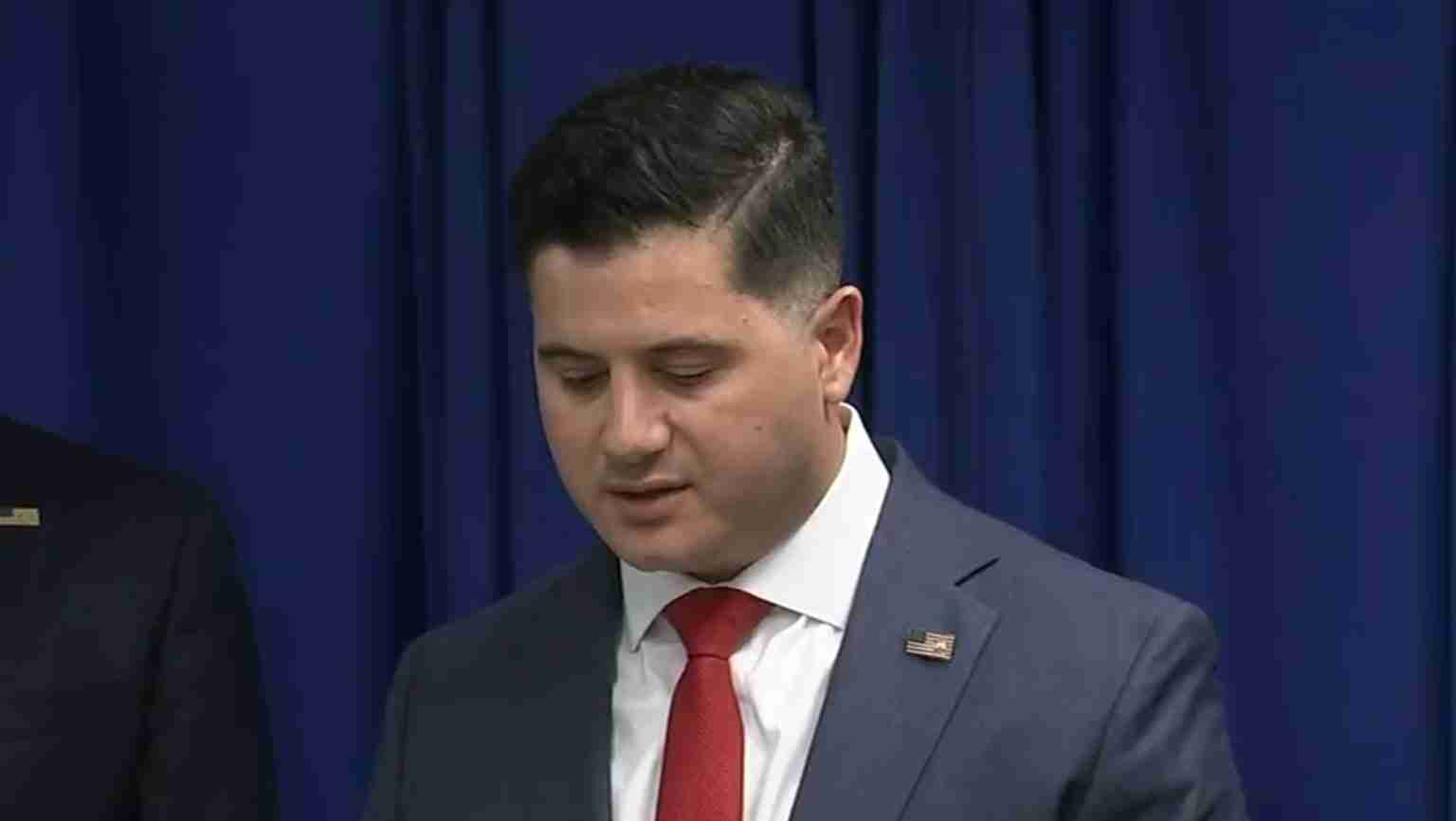
Federal officials — including the U.S. Attorney’s Office for the Central District of California and the FBI — led the operation. First Assistant U.S. Attorney Bill Essayli described the region as a “kingdom of fraud,” and FBI Assistant Director Akil Davis warned the area is at high risk for hospice fraud. Officials tied the effort to the Vice President J.D. Vance Anti‑Fraud Task Force. See the DOJ press release and local reporting on Fox11 Los Angeles.
CMS response: Dr. Mehmet Oz, head of the Centers for Medicare and Medicaid Services, announced a statewide review of hospice providers in California: “We’re going to review every single hospice in California … We’ll do it this year.” (See coverage and the press conference video.)
Schemes alleged in the indictment
- Sham hospice enrollment: Defendants allegedly recruited beneficiaries who were not terminally ill, paying cash, vitamins and other incentives (for example, about $300 a month) to pose as hospice patients. Medicare then paid hospice per‑diem rates for ineligible people. (See the DOJ press release and ABC7 coverage.)
- Therapy and billing fraud: Prosecutors described chiropractic and physical therapy schemes, identifying companies such as Ohana Wellness Center (Carson) and One Life Acupuncture (Huntington Beach) in court filings for alleged improper billing to private insurers totaling roughly $19 million from 2010–2023. (See DOJ release.)
- Immigration‑related fraud: The indictment alleges a nurse practitioner falsified green card medical exams — one example of schemes tied to the broader investigation. (See the DOJ press release.)
Controversy over public comments and a viral video
A video filmed outside an Armenian‑owned bakery in Van Nuys alleging widespread fraud drew attention. Dr. Oz referenced data points — notably unusually high hospice survival rates — as red flags for clusters of fraud: “If you’ve got 100% or near survival … you’ve got a problem.” The clip and comments prompted local business owners to denounce the video as discriminatory. First Assistant U.S. Attorney Essayli confirmed investigators did not link any defendants charged on April 2 to that Van Nuys video. (See the press conference video and Fox11 Los Angeles coverage.)
State response and shifting blame
California Gov. Gavin Newsom criticized the federal framing, accusing the Trump administration of attempting to shift blame for failures in federal programs: “The Trump Administration — home to the biggest fraudsters on Earth — is trying to blame California for issues with THEIR federal programs.” (See local coverage on CBS12.)
Suspensions, license flipping and wider enforcement
CMS and federal partners reported hundreds of provider suspensions in Los Angeles County while following leads: officials reported 221 suspended providers — up from 70 the prior week — and patterns of so‑called “license flipping” where dozens of hospice licenses clustered in small areas, notably Van Nuys. DOJ officials said additional arrests and audits are expected; several defendants have made initial court appearances and further proceedings are pending. (See the DOJ press release and Fox11 Los Angeles.)
Legal stakes
If convicted, defendants face severe federal penalties: health‑care fraud carries up to 10 years in prison; wire fraud counts can carry up to 20 years. Cases may include forfeiture and restitution to Medicare and insurers. (See DOJ documentation and Fox11 reporting.)
Implications for United States
Economic impact
These cases highlight how hospice and related health‑care fraud can cost Medicare and private insurers tens of millions of dollars. Officials say the schemes uncovered are part of a broader pattern that drains taxpayer funds. Increased audits and suspensions may reduce wasteful payments but could also slow legitimate billing and care.
Political consequences
The arrests and federal response will likely intensify debate over program oversight: federal actors emphasize stronger enforcement, while state leaders argue federal program controls are at fault. For a moderate conservative audience, this issue underscores taxpayer protection needs while questioning federal program management and potential overreach.
Social and health system effects
The alleged schemes target vulnerable seniors and seriously ill patients, undermining trust in hospice care. Increased scrutiny could protect patients but also create delays and added compliance burdens for legitimate providers. Families should be prepared for tougher verification processes during end‑of‑life care searches.
Cultural and regional concerns
The controversy around the viral Van Nuys video and Dr. Oz’s comments shows the risk of inflaming community tensions when enforcement focuses on geographic clusters. Authorities stress that investigations should be data‑driven (for example, using abnormal survival‑rate metrics) and not rely on stereotyping.
Practical effects for patients and providers
- Beneficiaries should verify hospice eligibility and ask specific questions about services.
- Families and providers can report suspected fraud to Medicare or law enforcement.
- Lawful providers should review billing and documentation and prepare for audits and possible temporary suspensions.
Next steps
Federal prosecutors signaled additional arrests and audits are likely. CMS announced a review of all California hospices within the year and indicated broader action against equipment and billing practices linked to fraud. Policymakers will likely pursue stronger hospice‑eligibility verification, tighter billing oversight, and faster federal‑state information sharing.
Sources and documents
- U.S. Department of Justice press release
- Press conference video
- Fox11 Los Angeles coverage
- ABC7 Los Angeles report
- CBS12 coverage (Newsom comments)
Reporting and source material: U.S. Department of Justice, FBI, CMS press conference and local reporting — see linked source documents above for full statements and filings.



