
High‑Tech “Autel” Car Theft Ring Indicted After Alleged 60‑Second Keyless Hacks, Cars Shipped Overseas
Federal prosecutors on April 22, 2026, indicted five suspects in a 15‑count federal indictment alleging they used an Autel device to reprogram cars in under 60 seconds, enabling keyless thefts and shipping nearly $1 million in vehicles overseas.
- Indictment: A 15‑count federal indictment names five defendants and alleges misuse of a commercial Autel tool to program blank key fobs in under a minute.
- Scope: The ring operated in Washington, D.C., Maryland and Pennsylvania, linked to shipments through Savannah and Baltimore and more than 20 identified vehicles valued at nearly $1 million.
- Tactics: Prosecutors say suspects disabled tracking, swapped plates and VINs at “cooling off” locations, and mislabeled containers to export stolen cars overseas.
How the thefts allegedly worked
U.S. Attorney Jeanine Pirro told reporters the group used a small, commercial automotive programming tool called an Autel device to “rewrite the brain” of a vehicle — a reference to the ECU or onboard computer. Prosecutors say the tool allowed thieves to recalibrate systems and program blank key fobs quickly and quietly.
“Bang, less than 60 seconds, the car is gone,”
Pirro said, describing the process as fast and silent. After the initial reprogramming, the indictment alleges suspects disabled onboard tracking such as GPS and Bluetooth to hamper recovery efforts.
Staging, identity changes and shipping
According to prosecutors, stolen vehicles were moved to so‑called “cooling off zones” — locations used to swap license plates and alter VINs before placing cars on carriers for export. Pirro cited a Marriott hotel in Pennsylvania and locations in D.C.’s Navy Yard as examples of staging areas.
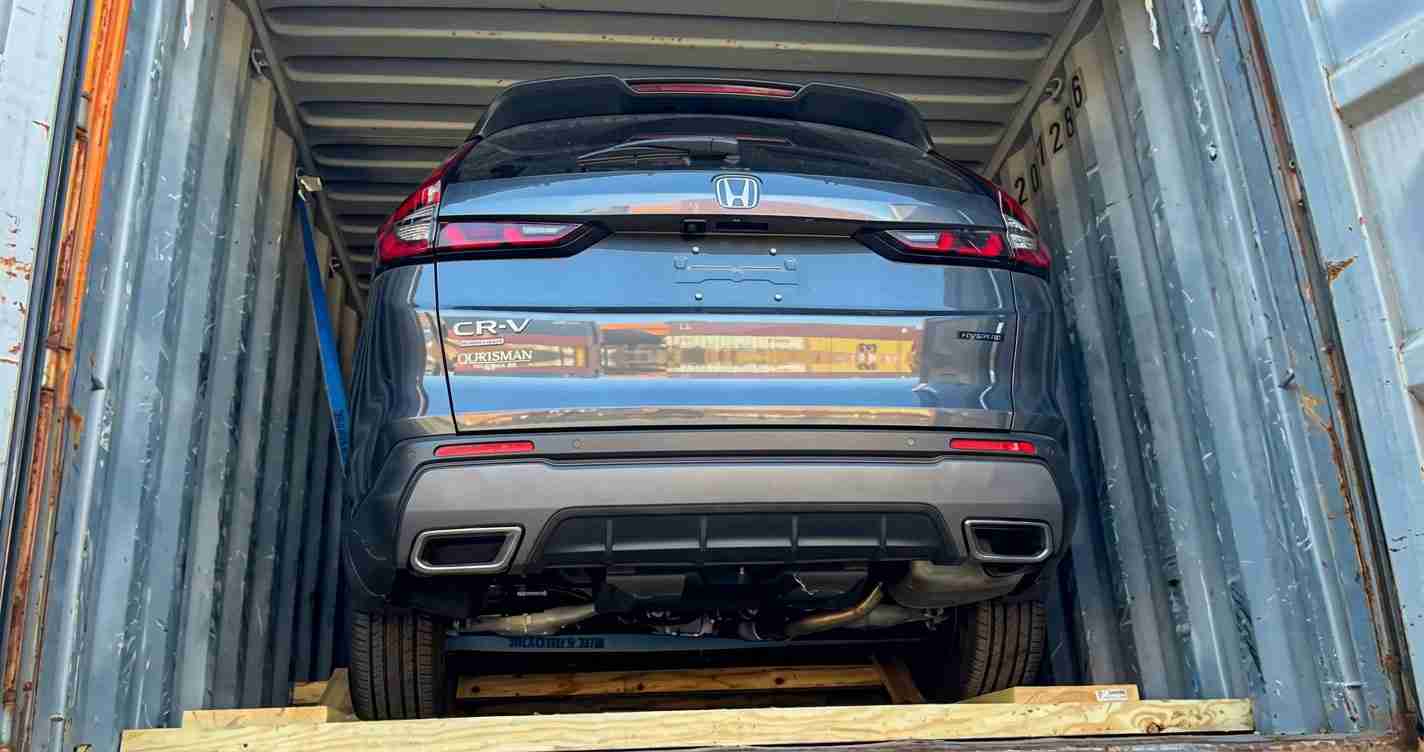
Once altered and re‑identified, vehicles were loaded into containers and shipped overseas. Prosecutors allege some containers were deceptively labeled Furniture to reduce inspection risk at ports, including routes through the Port of Savannah and the Port of Baltimore.
Scope and value of the alleged scheme
The indictment identifies more than 20 specific vehicles, including frequent targets such as Honda Civics and higher‑end models like Corvettes and Camaros; those 20 cars are valued at nearly $1 million, and investigators are pursuing roughly 100 more vehicles tied to the network.
Officials also told reporters the ring may be connected to more than 30 thefts in Prince George’s County, Maryland, with combined losses in related investigations estimated at about $4 million. For reporting on the goods seized and financial estimates see the Fox News coverage.
Who was charged
The federal indictment names five defendants — Jacob Hernandez, David Coby, Dustin Wetzel, Chance Clark and James Young — on counts including conspiracy, possession and transport of stolen vehicles and related offenses. The charges were announced at a joint press briefing with U.S. Attorney Pirro, D.C. officials and the FBI.
Local coverage of the announcement and law‑enforcement comments is available in the KATV report.
Law enforcement coordination and public briefing
Pirro presented the indictment at a joint news event to emphasize both local and international elements of the alleged scheme. Authorities described a coordinated response involving local police, federal prosecutors and federal investigative agencies.
Video of the press briefing is publicly available; watch the press briefing video and related press conference footage for the full remarks and visual context.
Why this matters now
Pirro framed the case as an example of “old crimes being committed in new ways.” The speed and silent nature of the alleged thefts complicate prevention and recovery: disabling tracking and altering identity markers creates cross‑jurisdictional hurdles for investigators.
Consumer precautions: Vehicle owners should take practical steps — park in well‑lit, secured areas, consider physical locks or immobilizers for high‑risk cars, and check with manufacturers about software or firmware updates that may prevent unauthorized reprogramming. Owners of popular targets, like Honda Civics, should be especially vigilant.
Regulatory, industry and supply‑chain considerations
The case underscores potential pressure on automakers and tool makers to limit features that permit key programming without strict authentication. Lawmakers may consider rules on access to diagnostic and programming devices while balancing legitimate repair needs and right‑to‑repair concerns.
The alleged mislabeling of containers raises questions about port inspection practices and customs enforcement; strengthening cargo screening and international cooperation on stolen property lists could reduce the ability of rings to export stolen vehicles.
Source material and reporting
Primary reporting and briefing materials referenced in this report include coverage and video from multiple outlets. Key sources include:
- Fox News story on the indictment and Pirro’s announcement
- Fox Noticias coverage of the press event
- KATV local reporting
- Fox11Online item
- Press briefing video (YouTube) and press conference footage (YouTube)
Ongoing investigation
Federal authorities say the investigation remains active. Prosecutors and investigators are pursuing roughly 100 additional vehicles potentially connected to the same network; the indictment and joint briefing aim to advance prosecutions and warn the public about evolving vehicle‑theft methods.



