Fan hit in head by foul ball at T‑Mobile Park renews debate over netting, liability and MLB fan safety
A Seattle Mariners fan, Jamie Golla, was struck on the head by a foul ball at T‑Mobile Park while taking a selfie, renewing debate over stadium netting, MLB safety practices and the legal “Baseball Rule” on spectator liability.
- Who: Fan Jamie Golla; batter Sung‑mun Song; Seattle Mariners vs. San Diego Padres.
- Where: Lower bowl, third‑base side, T‑Mobile Park, Seattle.
- When: Top of the fifth inning on Friday night.
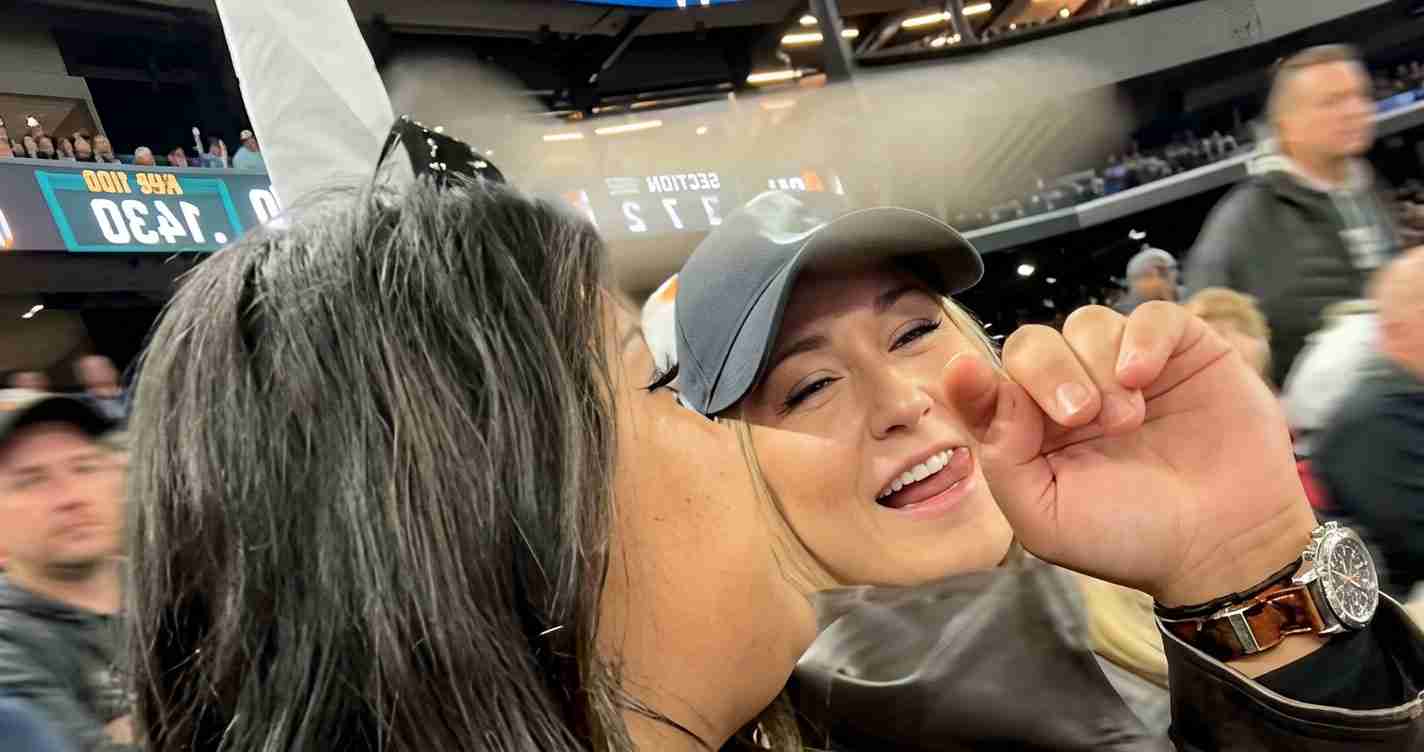
- What: A foul ball struck Golla on the top of her head while she and a friend were recording a selfie video; she was evaluated at Harborview and reported swelling and minor headaches but said she was “doing okay.”
A frightening split second: the incident
Video of the moment captures how fast a routine play can turn dangerous. Golla and a friend were holding a phone for a selfie when Sung‑mun Song fouled a hard line drive into the third‑base stands and the ball struck her square on the head. The clip’s sound and nearby fans’ reactions show how little time anyone had to react.
On‑site response: Golla was tended to at the ballpark and taken to Harborview Medical Center for evaluation. Follow‑up posts from Golla noted swelling and occasional headaches; she later said she was “doing okay.” The Mariners’ staff checked on her and offered future group tickets; the team has not reported any legal action by Golla.
Why the video resonated
The clip combined two familiar elements: a popular pastime (selfies) and a sudden, avoidable harm. Writers and fans called it a stark reminder of “Rule No. 1” at baseball games: keep your head on a swivel. Seats along baselines and the lower bowl provide great views but the least reaction time to line drives.
Reaction time research and safety commentary note fans in those areas may have less than a second to respond to a 100+ mph ball, making brief distractions — a glance at a phone or taking a selfie — a meaningful risk. The Golla incident joins a string of high‑profile foul‑ball events that have intensified calls for enhanced protections.
The Baseball Rule and fan liability
The incident reignited attention on the long‑standing “Baseball Rule” in American tort law. Under that doctrine, teams and stadium operators typically owe a limited duty of care: if a ballpark provides what courts deem “reasonably sufficient” protected seating (traditionally behind home plate) and warns fans of the risk, spectators are often considered to have assumed the risk of batted balls.
Historically, the rule has meant limited liability for clubs when fans in unprotected areas are hit: courts commonly find spectators accept the risk when choosing seats with unobstructed views. Critics argue the doctrine is outdated given modern exit velocities and widespread phone use that increases distraction.
Do those legal standards still fit modern baseball?
Recent commentary and some judges have begun questioning whether the traditional assumption‑of‑risk defense suits today’s game. Factors prompting a rethink include:
- Higher exit velocities off modern bats and improved ball speeds.
- Increased spectator distraction from phones and in‑stadium entertainment.
- Availability of improved safety technologies that enable extended netting.
Legal analyses suggest stadium operators may be expected to do more than meet the historical minimum: they should avoid increasing known risks and take reasonable, practical steps to reduce them. That could translate to expanded netting or redesigned seating layouts — changes that don’t automatically overturn the Baseball Rule, but do invite closer scrutiny of modern standards of care.
MLB’s steps and where parks stand today
Major League Baseball has taken steps toward increased spectator protection. In late 2015, Commissioner Rob Manfred recommended extended netting to at least the far ends of both dugouts; since then many parks have extended netting further down the lines, though coverage varies by club and ballpark design.
Even with more netting, many line‑drive fouls still land beyond protected areas, leaving fans in lower bowl seats exposed. Teams often balance safety with fan experience — some supporters prefer unobstructed views — but incidents like Golla’s keep pressure on clubs and the league to reassess how far netting should extend.
Practical takeaways for fans and teams
For fans:
- Recognize that baseline and lower bowl seats carry added risk; remain alert when the ball is in play.
- Limit phone use while the ball is live; step into concourses for selfies or group photos.
- Choose netted seating if safety is a priority and supervise children closely in line seats.
For teams and MLB:
- Consider extending protective netting, improving PA safety announcements and signage, and reviewing game elements that encourage screen use in high‑risk areas.
- Prepare for possible legal and public pressure to invest in broader protections if courts or legislatures revise expectations for reasonable precautions.
Comparisons and history
Serious foul‑ball injuries have occurred for decades, including rare fatalities and many hospital visits. The surge of smartphone video has made such incidents more visible. Viral footage like Golla’s tends to sharpen public attention and accelerate calls for change.
Implications for the United States
Economic: Large‑scale netting or seating redesigns could impose costs on teams and potentially affect ticket pricing, but investing in safety can reduce medical expense and legal risk while preserving long‑term attendance.
Political and legal: High‑profile injuries and viral video increase the chance of legislative or judicial attention. State courts and legislatures may revisit spectator protections or operator duties, potentially producing more uniform obligations across jurisdictions.
Social and cultural: Pushing netting farther may change the fan experience fans cherish, but many — families and older attendees — may prefer added protection. Baseball will need to reconcile tradition with modern safety realities.
Practical applications for everyday fans
If safety matters most, pick netted seats; supervise children in line seats; limit phone use while the ball is live; and take photos in concourse areas away from play. Small behavioral changes reduce risk immediately, while broader policy changes may follow over time.
Sources and further reading
- New York Post — coverage of the incident
- Harborview Medical Center — patient care and trauma center information
- MLB — official site and statements about netting and ballpark safety
- Wikipedia — Baseball Rule — legal background and case summaries
- NFHS — safety guidance and general commentary
“Keep your head on a swivel.” — common admonition that the Golla incident reinforces for fans and teams alike.
Reporting note: Initial reporting and social updates informed this summary; follow official statements from the Seattle Mariners and medical updates from Harborview Medical Center.