Alaskan climbing star Balin Miller dies after fall from Yosemite’s El Capitan during livestream
Balin Miller, 23, an Alaskan climbing star from Anchorage, died Wednesday after falling from El Capitan’s Sea of Dreams route in Yosemite while livestreaming; the National Park Service has opened an investigation into the circumstances.
Key takeaways
- Fatal fall during livestream: Miller reportedly fell while hauling gear and rappelling after finishing the Sea of Dreams route, an incident viewers witnessed in real time on TikTok — Fox News and ABC News.
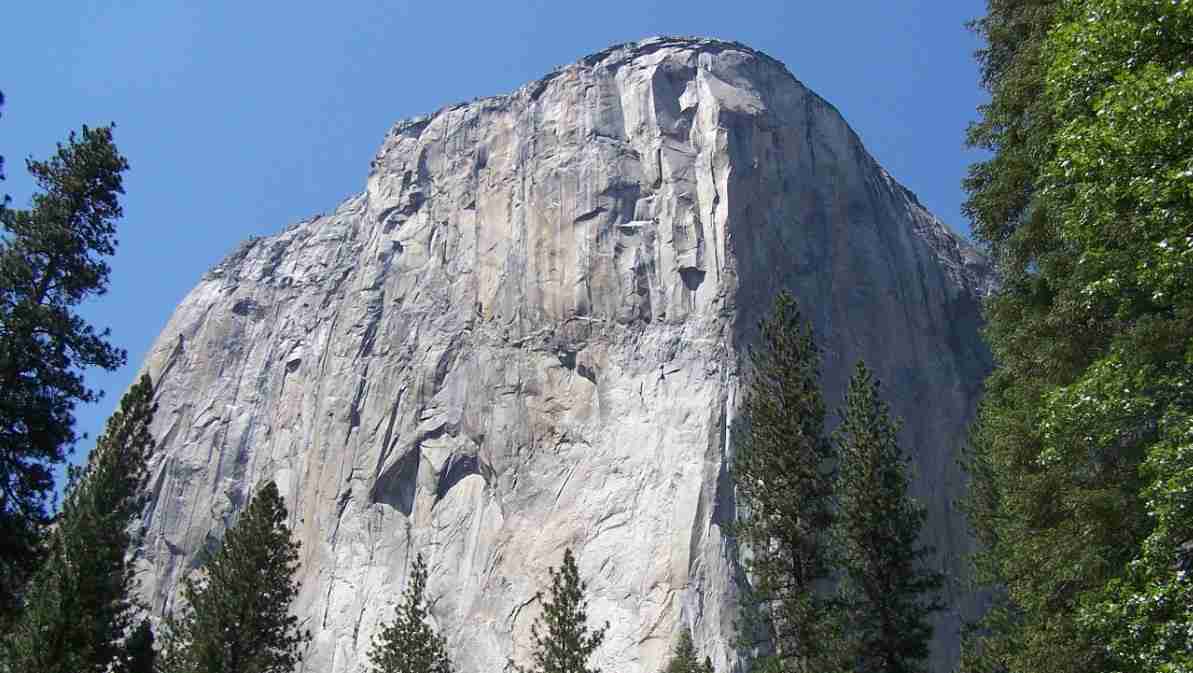
- High-risk big-wall context: Sea of Dreams is a ~2,400-foot big-wall route on El Capitan; experts note top-of-wall rope-management and solo hauling carry serious hazards — LA Times.
- Park response under review: Yosemite search-and-rescue and the National Park Service responded; investigators are reviewing gear, witnesses and digital records, including livestream footage — ABC News.
- Broader concerns: Miller’s death is the third climbing fatality in Yosemite this season and raises questions about safety, soloing, livestreaming risks and staffing during federal furloughs — reporting and commentaries cite LA Times and video coverage on YouTube.
Climb, livestream and the fall
Miller had been on El Capitan for several days, drawing a large online following. He livestreamed portions of the two-day effort on TikTok and developed a recognizable persona among followers as the “orange tent guy” because of his camp setup on the wall. Viewers tracked his progress in near real time, underscoring how social platforms reshape how extreme sports are shared and consumed. Sources reporting these details include ABC News and ABC30.
According to family accounts and media reporting, Miller had completed the Sea of Dreams route — a big-wall climb of roughly 2,400 feet — and was managing gear at the top when he “rappelled off the end of his rope,” a known danger during conversions from ascent to descent. His brother, Dylan Miller, provided details to reporters describing the sequence that preceded the fall (Fox News; LA Times).
Investigation and park response
Yosemite officials confirmed the National Park Service responded to the scene and has opened an investigation. Park search-and-rescue teams and NPS investigators routinely examine equipment, interview witnesses and review digital records — including livestream footage — which may prove critical to establishing the sequence of events (ABC News).
The accident comes amid wider scrutiny of park operations during a federal government shutdown that reduced staffing at many national parks. Some furloughed rangers and reduced visitor services have prompted concerns about response capacity and safety oversight; Yosemite officials emphasized that rangers did respond despite limited personnel (LA Times; video coverage referenced on YouTube).
About Balin Miller
Miller was raised in Anchorage, Alaska, and began climbing young. Family and acquaintances described him as devoted to the sport for its challenge rather than fame. His recent climbs included the challenging Slovak Direct on Denali (Mount McKinley), a route that earned recognition in climbing circles (Fox News).
“He would not have wanted to be seen primarily as an ‘influencer,’” Miller’s mother, Jeanine Girard-Moorman, told reporters, emphasizing his passion for climbing and outdoor life (Fox News; ABC30).
Community reaction and online scrutiny
The livestream element has compounded both grief and scrutiny. Some viewers watched in real time and later posted reactions; threads and memorials appeared across social platforms. The climbing community offered condolences and urged care when broadcasting risky endeavors. Observers warn livestreams can encourage copycat behavior or cause amateurs to underestimate hazards when high-profile feats lack full context about training and safety margins (ABC News). Family statements asked for privacy while acknowledging public interest (ABC30).
Safety questions and expert views
Big-wall climbing inherently demands redundancy: backups on anchors, constant gear checks and clear communication. Experts stress that soloing and hauling alone magnify risk because there is no partner to catch mistakes or assist with complex rope-management. The top of a route can present hazards equal to those on the face itself, particularly during transitions from ascent to descent (Fox News).
Safety advocates suggest increased public education about technical climbing dangers, encouraging climbers to report plans and consider partners or guides for high-risk routes. The National Park Service has indicated it will review lessons from this incident as its investigation proceeds (LA Times).
Implications for the United States
Economic and tourism: Yosemite supports local economies through visitation, guiding services and outdoor businesses. High-profile fatalities that are widely streamed can alter visitor perceptions and short-term demand for guided climbs and services (LA Times).
Policy and operations: The timing of this incident amid reduced federal staffing raises questions about resource allocation and contingency planning for emergency response. Lawmakers and park managers may face pressure to examine how furloughs and staffing cuts affect visitor safety and response timelines (YouTube; ABC News).
Social effects: Miller’s death spotlights how social media intersects with traditional outdoor sports. As climbers gain followers, their actions reach audiences who may lack context; families and climbing groups will likely discuss honoring passion while promoting safer portrayals of risk (ABC News).
Status and next steps
Investigators continue to gather evidence, interview witnesses and review digital records related to the incident. The National Park Service confirmed it responded to the scene and is examining the circumstances surrounding the fall. Miller’s family has requested privacy as they and the climbing community process the loss and await further information (ABC News; LA Times).