
How a Blackpool £1 Burger Bar Has Kept Prices Nearly Flat for 20 Years — and the Lessons for Small Businesses
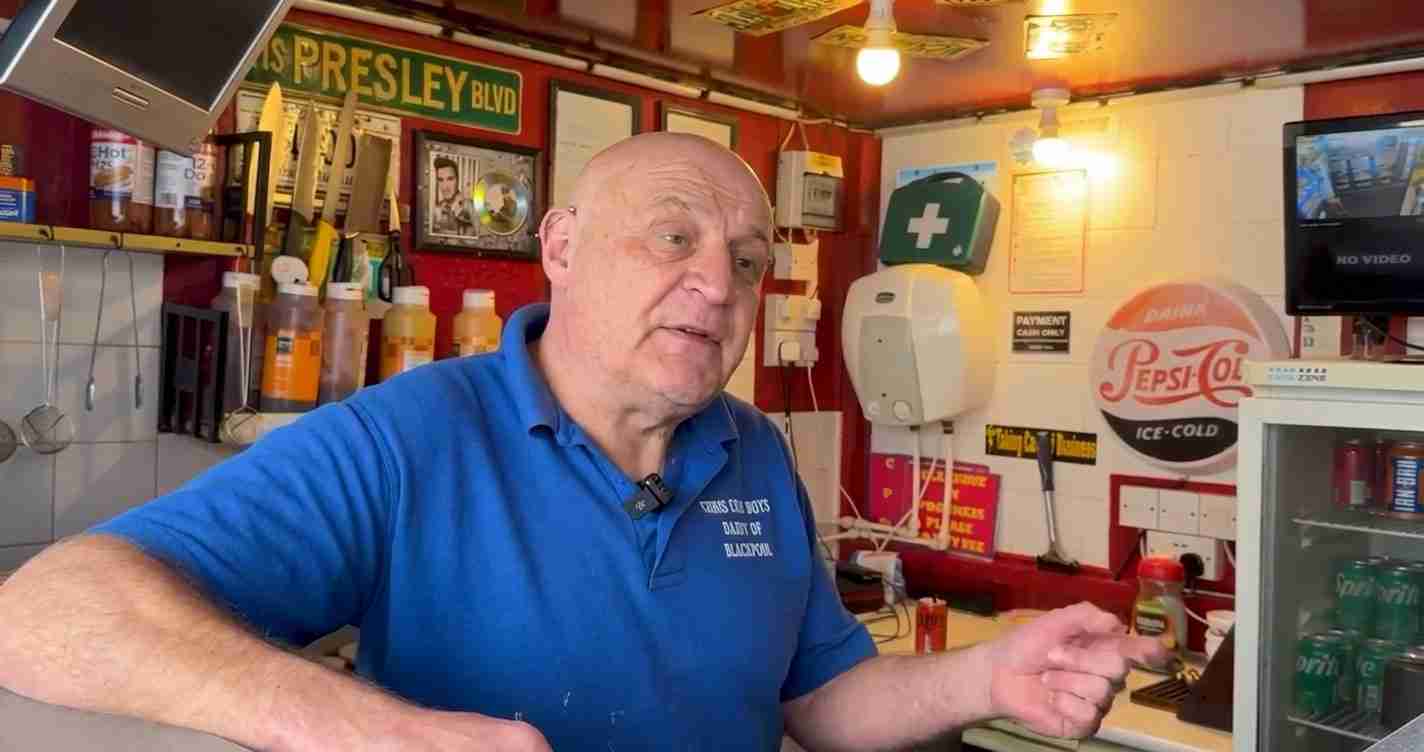
In Blackpool, Chris Higgitt’s Las Vegas Arcade £1 Burger Bar has sold its signature burger for £1 since 2006, attracting long queues and viral attention while relying on tight operations, bulk buying and social media-driven volume to stay viable.
Key takeaways
- Price stick: The signature burger has cost £1 since 2006 — a deliberate, math-driven choice that became the arcade’s main income stream. Fox News
- Operational levers: Tight menu, bulk purchasing and efficiency lower per-unit costs and enable thin-margin, high-volume sales.
- Social amplification: Viral videos and influencer visits create a feedback loop of free marketing and sustained footfall.
- Limits: Reported costs (≈50p per burger) exclude many overheads; sustainability depends on steady volume and favorable local conditions. Fox News
Main story
How a £1 price stuck
Chris and Karen Higgitt bought the Las Vegas Arcade in 2006 when the venue was struggling. In a casual decision to add food service, Chris “sat down and did the math” and found a basic burger could be sold at £1. That sideline quickly grew: today roughly 90% of revenue reportedly comes from burgers rather than arcade games. Fox News
Operational choices that matter
The menu is intentionally narrow: the signature burger contains a bun, an English beef patty, onions and sauce. Simplicity reduces waste, shortens cook time and eases training. Higgitt also offers a few other low-complexity items — hot dogs, Spam sandwiches and sausage sandwiches — all designed to keep throughput high and per-item labor and energy costs low.
Three concrete factors keep the price possible: tight operational efficiency, bulk purchasing and social media-driven volume. Bulk-buy agreements and steady turnover push down per-unit input costs; viral clips act as ongoing, low-cost advertising. Fox News
Demand, tourism and the viral feedback loop
Blackpool is a seasonal tourist town. Higgitt’s burger operation runs seven days a week from March through November to match peak visitor flows, concentrating volume where footfall is highest. The £1 headline acts as a magnet; visitors and creators come for the novelty, film it, and attract more visitors in recurring waves.
“It’s more popular than ever,” Higgitt says, as viral social content keeps long queues and new customers coming.
Social media functions as a multiplier: a viral clip leads to queues, queues lead to more clips, and the cycle repeats. This free exposure helps sustain the high volumes needed to make the thin margins workable. Fox News
The economics — thin margin, high volume
Higgitt estimates raw cost per burger at about 50 pence (≈$0.68), leaving a gross margin near 50 pence before other costs. That margin is razor-thin; profitability rests on sustained, high-volume sales and low per-unit overhead. Volume is driven by the arcade location and social-media attention.
Important caveat: the reported 50p does not include many overheads — rent for a seaside spot, staffing across long seasonal hours, equipment replacement, council fees and other costs. Those items can materially reduce net income and are not detailed in public reporting. Fox News
What reporting does not show
Coverage focuses on the headline price, queues and viral videos. It omits granular data: food-safety scores, exact sales volumes, annual profit figures, wage rates, supplier identities and contract terms. Those missing data points make it hard to model resilience against cost shocks or regulatory changes.
How this compares to U.S. low-price strategies
The Blackpool model mirrors U.S. loss-leader tactics — for example, Costco’s $1.50 hot dog — where a standout low-price item draws traffic and secondary sales. The difference is scale: U.S. chains have multi-location supply chains, national buying power and diversified revenue streams, whereas Higgitt runs a single seasonal location reliant on tourism and social buzz.
Implications for United States
Lessons for small businesses: discipline on costs, a tight menu, bulk buying and a strong local brand can enable low-price offerings in tourist or high-footfall markets. Marketing via social creators is particularly powerful and low-cost for small operators seeking volume.
Policy considerations include labor and regulation: thin per-item margins create pressure on wages and make businesses vulnerable to changes in minimum wage, safety standards or permit costs. Local economic development can harness such value offers, but success depends on foot traffic and marketing, not price cuts alone.
Sources
- Fox News — “Owner of viral $1.34 burger stand shares secret to keeping prices unchanged since 2006” (reporting on SWNS coverage)
- Reporting by Times Media Service in Blackpool, England.
Preserved facts: Business — Higgitt’s Las Vegas Arcade & £1 Burger Bar (Blackpool); signature burger price — £1 since 2006; ingredients — bun, English beef patty, onions and sauce; estimated raw cost — ~50p per burger; seasonality — open seven days a week from March through November. Fox News



