MOSCOW, July 13 (World Daily Times) — Europe’s continuing purchases of Russian liquefied natural gas, or LNG, and pipeline gas remain one of the most sensitive issues in the war over Ukraine. The trade keeps money flowing to Moscow even as the United States and European governments try to tighten pressure on President Vladimir Putin.
The argument is no longer only about diplomacy. It is also about energy policy and money: how much Russian fuel Europe still buys, how fast it can replace it, and whether Washington should punish countries and companies that keep doing business with Russia.
What is Europe still buying from Russia?
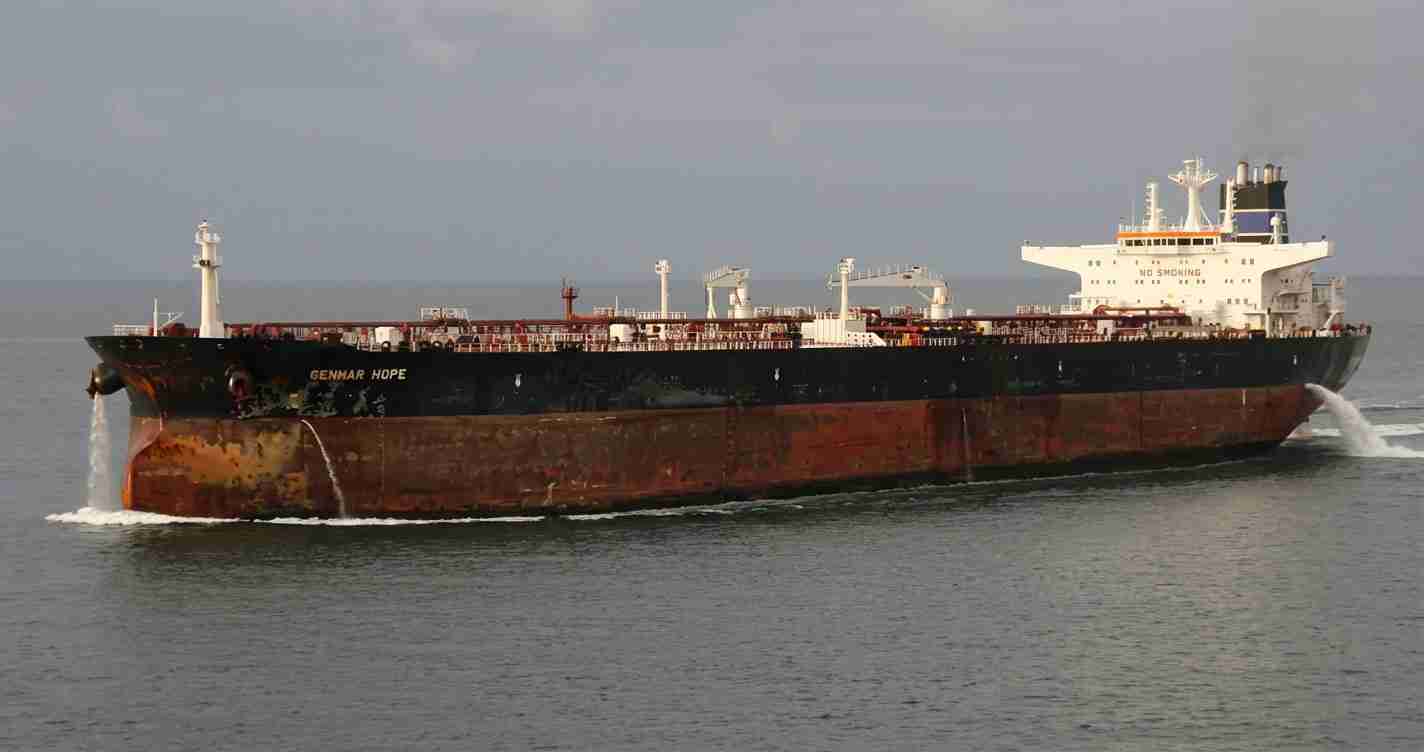
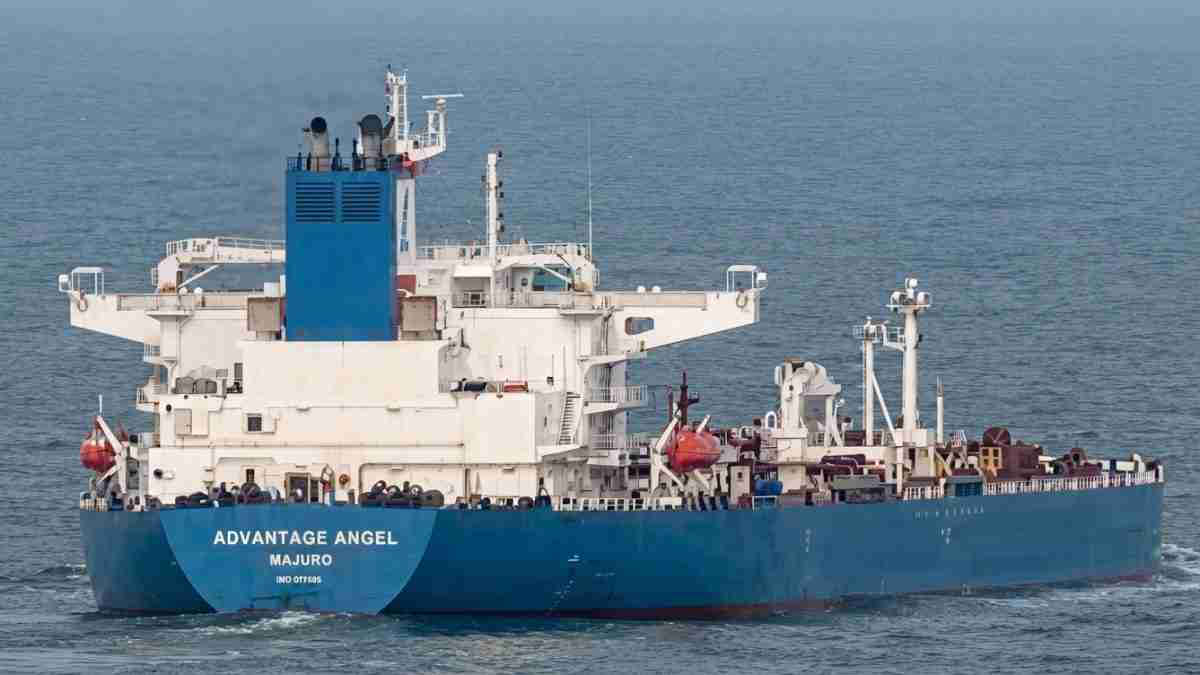
Russian gas still reaches Europe in two main forms. LNG is natural gas that has been cooled into a liquid so it can be shipped by tanker. Pipeline gas comes through fixed cross-border pipelines.
Eurostat said Russian pipeline gas made up about 8% of European Union imports in the second quarter of 2025. The European Commission has also proposed legislation that would phase out EU imports of Russian oil and gas by Jan. 1, 2028.
That means Europe has cut its dependence on Russian energy since the start of Russia’s full-scale invasion of Ukraine, but it has not ended it.
Why is Washington talking about this now?
President Donald Trump has repeatedly criticized Europe’s reliance on Russian fuel. In his March 4 address to Congress, he said Europe had spent more money buying Russian oil and gas than it had spent defending Ukraine.
Trump later said on Truth Social that he was prepared to impose significant sanctions on Russia once NATO allies had “concurred and initiated similar actions.” At the United Nations General Assembly, he said the European Union should “immediately halt all energy acquisitions from Russia.”
The message is simple: if Russia is still selling large amounts of fuel into Europe, then sanctions pressure is not complete.
What are secondary sanctions?
Secondary sanctions are penalties aimed not just at the country being targeted, but at third parties that keep doing business with it.
In this case, the idea is to pressure countries, companies, or banks that continue buying Russian energy. Supporters say that would make it harder for Russia to earn money from oil and gas exports. Critics worry it could complicate trade with allies and create new tensions inside NATO.
Sens. Lindsey Graham and Richard Blumenthal said in a joint statement that Congress and the executive branch should work together to “create tools to exact a heavy price on those who buy Russian oil and natural gas, fueling the Putin war machine.”
What is Ukraine asking Europe to do?
Ukrainian President Volodymyr Zelenskyy has urged European countries to stop buying Russian energy altogether. In an interview cited by ABC News, he said: “We must stop [buying] any type of energy from Russia…”
For Kyiv, the issue is not only symbolic. Every energy purchase is also a source of revenue for the Kremlin.
What is Europe doing on its own?
European institutions are already moving toward a broader cutoff. The European Commission has proposed ending imports of Russian oil and gas by 2028. EU officials are also weighing new sanctions steps against Russian energy exports.
That puts Europe in a difficult position. It is trying to reduce its reliance on Russian fuel without causing major disruption to its own energy supply.
Why does this matter?
Russian energy sales remain one of the Kremlin’s major sources of cash. As long as European buyers still purchase Russian LNG or gas, Moscow continues to collect revenue that can support its war effort.
That is why the debate has widened beyond energy policy. It now sits at the center of three overlapping questions: how fast Europe can replace Russian fuel, how much political pressure NATO allies are willing to accept, and whether the U.S. should punish countries that keep buying from Russia.
For now, the answer is not settled. But the policy fight is moving in one clear direction: away from tolerance for Russian energy imports and toward a harder line on the countries that still buy them.