Tehran’s strikes and Western seizures squeeze the Iran shadow fleet, snarling Strait of Hormuz shipping and raising energy costs for Moscow and Beijing
Despite Tehran’s denials, missile and drone strikes, plus Western seizures of shadow‑fleet tankers, have made the Strait of Hormuz effectively dangerous for many commercial tankers, disrupting flows and raising war‑risk costs that ripple through global energy markets.
- De facto disruption: Iran says the strait is not closed, but threats and strikes have made passage risky — see Economic Times.
- Operational squeeze on shadow fleet: Merchant crews avoid the area amid missile/drone danger (see video and conflict reporting and the 2026 Iran war timeline), pushing up premiums and costs.
- Enforcement hardening: Western interdictions are moving from financial pressure to seizures — notably the diversion and reported seizure of the MT Ethera, linked in reporting to Iran‑connected networks.
Status of the Strait and the immediate impact on tankers
Official vs. practical reality: Tehran maintains publicly that the Strait of Hormuz is not closed and any formal closure would be announced. Yet statements from the Islamic Revolutionary Guard Corps (IRGC) about controlling passage in time of war, and warnings from IRGC‑linked figures, create an ambiguous and coercive environment that shipowners cannot accept.
Independent and open reporting describe the strait and adjacent waters as effectively a war zone. Multiple tankers have been struck by missiles or drones; at times hundreds of vessels have been delayed or held as owners and crews await safer conditions. The immediate consequences are a sharp reduction in transits, higher war‑risk insurance premiums, rerouted voyages, and delayed cargoes. For reporting and footage, see Economic Times and open conflict sources such as the CENTCOM video and the 2026 Iran war compilation.
What the Iran shadow fleet is and why it matters now
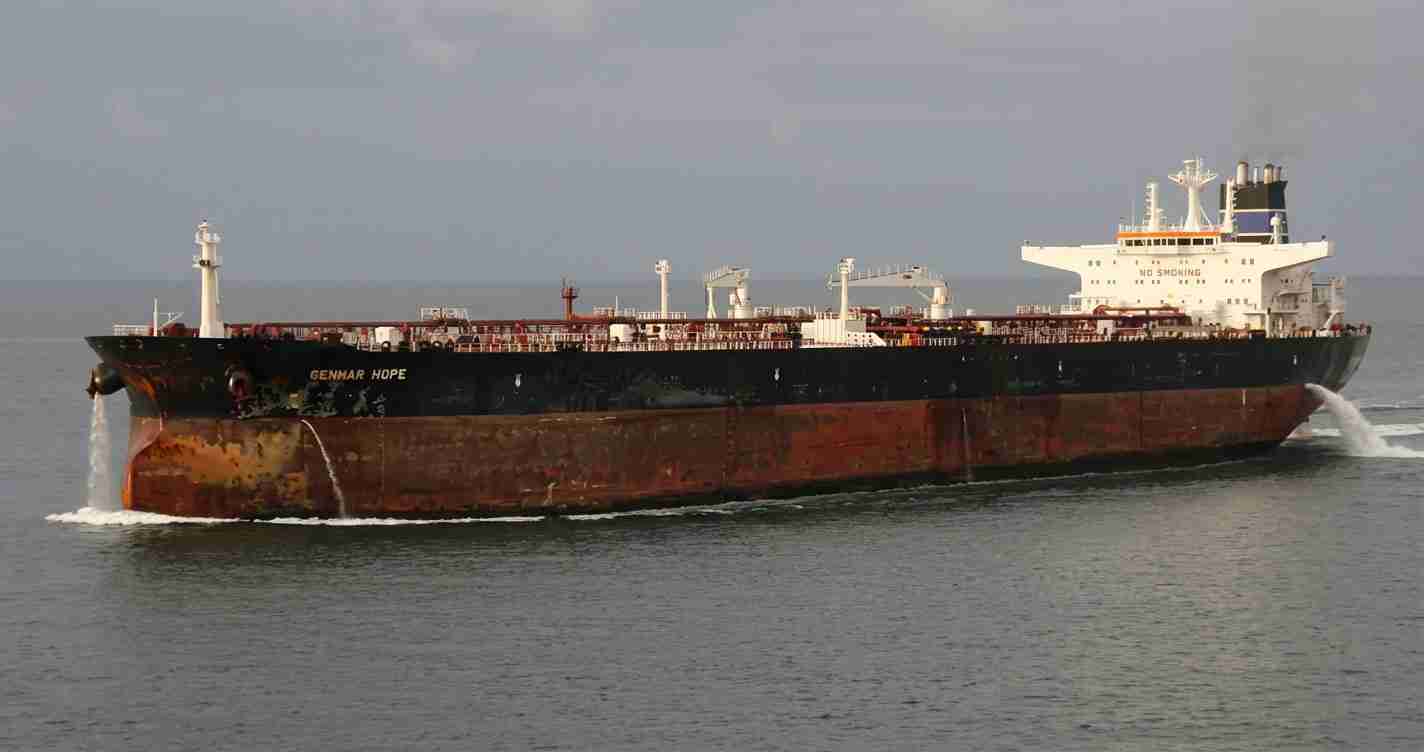
The shadow fleet explained: The shadow fleet (or gray‑market fleet) comprises often older, reflagged tankers operating outside Western insurance, classification, and regulation. They use tactics like turning off automatic identification systems (AIS), ship‑to‑ship transfers, and opaque ownership to move sanctioned oil for Iran, Russia and others.
Because many Iranian export flows transit or can be staged via the Strait of Hormuz, turning that region into an active missile and drone theater raises operational risk: crews refuse sailings, ports restrict access, and insurance availability shrinks. These dynamics raise freight and risk premia, increasing costs for buyers and complicating logistics for suppliers such as Moscow and Tehran, and for purchasers including China and Cuba. See coverage compiled in the 2026 Iran war timeline.
Western interdictions and the MT Ethera case
Sanctions, an oil price cap on Russian Urals crude, and tighter maritime enforcement have long been tools to choke sanctioned sales. That toolkit has expanded to include physical interdictions. The diversion and reported seizure of the MT Ethera — rerouted to Zeebrugge and tied in reporting to maritime networks linked to senior Iranian figures — exemplifies Europe’s willingness to seize suspected shadow‑fleet tankers when they enter jurisdictions where enforcement is possible.
“The MT Ethera incident underscores that interdictions can now occur anywhere a vessel comes within reach of Western jurisdictions.”
U.S., regional partners, and naval moves beyond the Gulf
Washington has extended pressure beyond the Persian Gulf: officials describe a quasi‑naval quarantine on oil imports to Cuba and have warned countries such as Mexico against shipping oil to what the U.S. terms “malign regimes.” These steps push the shadow‑fleet crackdown into the Caribbean and Atlantic, signaling a broader, coordinated campaign to sever sanction‑evading supply lines.
CENTCOM strikes and the militarization of sea lanes
U.S. Central Command has posted footage of strikes on Iran‑linked drone‑carrying vessels, and naval reporting indicates dozens of Tehran‑linked ships have been sunk or disabled since the offensive began. While these actions are intended to protect merchant shipping and degrade Iran’s strike capacity, they also further militarize sea lanes — keeping insurance elevated and commercial operators cautious. See related footage: CENTCOM video.
Economic pressure on Russia, China and Cuba — and wider oil market disruption
Russia: The Western consortium enforcing a price cap on Urals crude (recently adjusted to about $44 per barrel) forces Moscow to accept heavy discounts or rely on gray‑market logistics. If shadow‑fleet costs rise due to war‑risk premiums, interdictions, and contested passage, Russia’s net revenue per barrel could fall, tightening fiscal space for war spending.
China and buyers: China relies in part on discounted or sanctioned oil moved via gray‑market routes. Higher transport costs, risk premia and the threat of seizures raise China’s landed fuel costs, potentially inflationary for industry and complicating military fuel logistics. Cuba and other clients dependent on clandestine shipments face immediate supply strains if tankers are turned away or intercepted.
Combined with slowed commercial flows through the Strait — which normally carries roughly a fifth of global oil shipments — these pressures contribute to broader market disruption and upward pressure on prices. See summarized reporting in the 2026 Iran war entry and related footage: video reporting.
Strategic and legal dynamics
Tehran’s mixed messaging — publicly denying formal closure while military voices speak of control and threats — provides coercive leverage without a formal casus belli. Western powers are testing legal and operational limits by pairing sanctions and price caps with seizures and naval interdictions. The result is a contested maritime environment where commercial, enforcement, and military roles overlap and where legal challenges are likely to be adjudicated in courts and diplomatic fora.
Points of uncertainty
Important unknowns include: the duration of heightened risk in the Strait; precise ownership ties of many shadow‑fleet vessels; and how buyers such as China and India will adapt. Quantifying the immediate fiscal hit to Russia or the inflationary effect on China depends on enforcement intensity, timing, and whether alternate routes or intermediaries can fill the gap.
Implications for the United States
Economic impact
Higher global oil risk premia and constrained marginal supply could raise U.S. pump prices and inflationary pressure. Prolonged shadow‑fleet clampdowns or Strait disruptions would increase transport and energy bills for consumers and businesses, and emphasize the strategic value of domestic energy production and strategic reserves.
Political consequences
The crisis tests U.S. bipartisan consensus on responses to sanctions‑evasion and maritime threats. Lawmakers worried about higher energy prices may press for increased domestic production or relief measures. Interdiction and naval protection actions will be balanced against escalation risks and budget demands for defense and Coast Guard missions.
Social and cultural effects
Higher gasoline prices and inflation disproportionately affect middle‑class and working families. The campaign against the shadow fleet bolsters arguments for resilient domestic energy and strengthened naval capacity to protect commerce and enforce sanctions.
Practical applications
Policymakers may accelerate allied coordination on interdictions, tighten import screening, and expand sanctions enforcement. The Department of Defense and Coast Guard could see more escort and interdiction missions. Businesses should prioritize contingency planning: alternate suppliers, hedging fuel costs, and closer vetting of shipping partners.
Sources and reporting
- Economic Times: “Strait of Hormuz is not closed, says Iran; clarifies it has no intentions to shut it until further notice.”
- CENTCOM video and open reporting on strikes.
- Open reporting and timeline of the 2026 Iran war, including shadow‑fleet incidents and the MT Ethera case.
Note: This article preserves reported facts and source links cited in open reporting and public footage compilations.