
Senate rejects bid to curb Trump’s strikes on drug-smuggling boats as two Republicans join Democrats
The Senate narrowly rejected a resolution intended to limit President Trump’s authority to order strikes on drug-smuggling vessels in the Caribbean, voting 48-51 as bipartisan concerns about legality, escalation and presidential war powers surfaced.
- Vote and defections: Senate vote was 48-51; Sen. Rand Paul and Sen. Lisa Murkowski sided with Democrats to restrict the president’s authority, while Democrat Sen. John Fetterman voted against the measure. (Source)
- What the bill sought: It would have required congressional approval before future military strikes against drug-trafficking groups, invoking the War Powers Resolution of 1973. (Source)
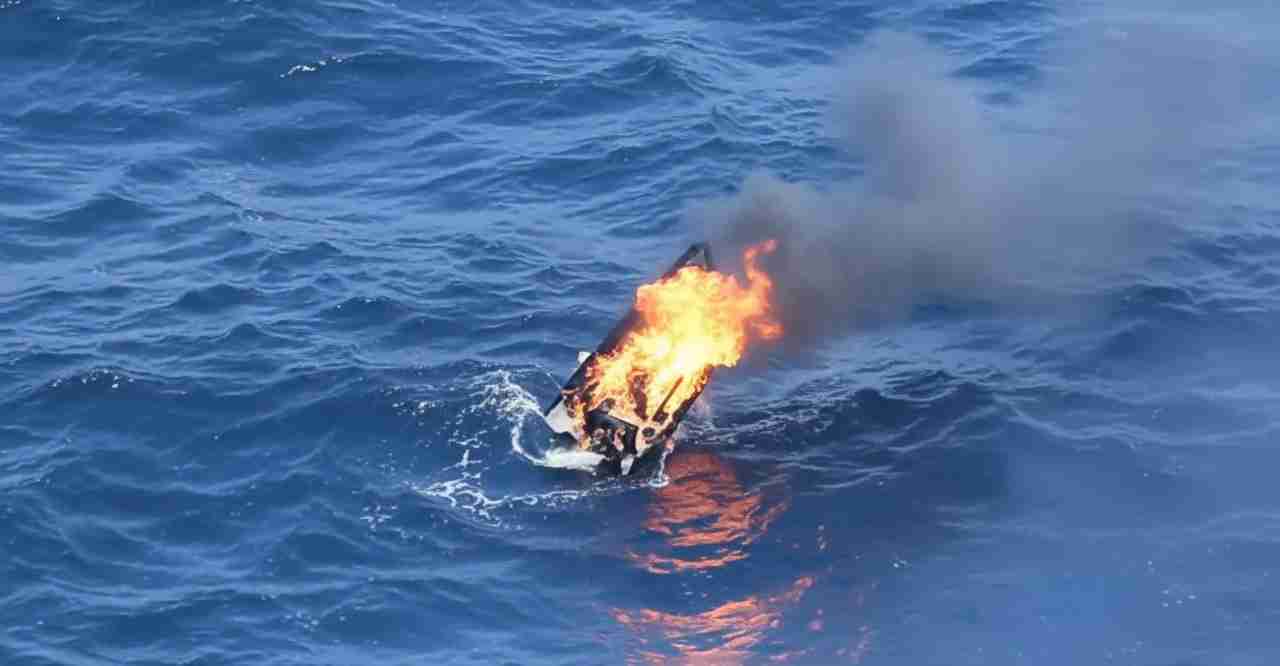
- Administration stance: The White House said strikes destroyed four vessels and killed at least 21 people labeled “narcoterrorists,” defending actions as lawful and necessary for U.S. security; President Trump pledged a veto. (Source)
- Broader concerns: Lawmakers warned classifying cartels as military enemies could stretch legal standards, risk escalation and complicate relations in regions like the Caribbean and Venezuela. (Source)
Vote details and political dynamics
The Senate’s 48-51 outcome underscored an unusual cross-party split: two Republicans, Sen. Rand Paul and Sen. Lisa Murkowski, joined Democrats to support restrictions on executive strikes; notably, Democrat Sen. John Fetterman opposed the resolution. This divergence highlighted intra-party tensions over oversight versus rapid executive action. (Source)
What the bill would have done
The resolution aimed to require congressional authorization under the War Powers Resolution of 1973 before the president could order future military strikes targeting drug-trafficking organizations. Supporters argued this would preserve Congress’s constitutional role to authorize force; opponents said it could hinder swift actions to protect U.S. borders and citizens. (Source)
Administration account and defense of strikes
The White House said the strikes destroyed four vessels in the Caribbean, killed at least 21 people it labeled “narcoterrorists,” and blocked narcotics shipments bound for the United States. Officials characterized some traffickers as “armed combatants” and defended the strikes as lawful and necessary for national security. President Trump warned he would veto the resolution if it reached his desk. (Source)
Concerns raised by lawmakers and experts
Lawmakers across parties expressed worries about:
- Legal stretching: Whether non-state criminal groups can be treated as military enemies under U.S. law and international law.
- Escalation risks: Potential to draw the U.S. into broader conflicts or accidental clashes with other countries’ forces, including concerns about Venezuela.
- Precedent: The potential long-term implications for presidential war powers and the checks and balances intended by Congress. (Source)
Why the vote mattered
The debate forced a choice between two priorities: stopping dangerous drugs from reaching U.S. streets and ensuring clear congressional limits on the president’s use of military force. Supporters of the measure argued Congress must protect its constitutional role; opponents emphasized the need for executive flexibility to act swiftly against transnational threats. The clash reflects broader tensions over national security, oversight and constitutional authority. (Source)
Notable senator statements
“Congress must not allow the executive branch to become judge, jury and executioner,” Sen. Rand Paul said in explaining his vote for the resolution. (Source)
Sen. Lisa Murkowski joined Paul, signaling concern among some Republicans about unchecked executive action. Other voices included:
- Sen. Jim Risch (R) — defended strikes as necessary to stop drugs.
- Secretary of State Marco Rubio — urged GOP senators to oppose the measure, saying cartels can act as de facto governments in parts of the Caribbean.
- Sen. Tim Kaine and Rep. Adam Schiff — warned of unchecked escalation and wider conflict risks.
- Sen. Todd Young — raised legality concerns and resource diversion from other priorities like competition with China.
- Notably, Sen. John Fetterman (D) voted against the resolution, showing intra-party division. (Source)
Legal and policy questions
The measure was grounded in the War Powers Resolution of 1973, intended to involve Congress when the nation goes to war. Key legal questions include:
- Whether the president can lawfully use force against non-state criminal organizations without congressional authorization.
- What legal status applies to people killed in such strikes — criminals, combatants, or another category.
- Whether these actions could entangle the U.S. in conflicts with countries where traffickers operate or risk clashes with foreign militaries. (Source)
Operational and strategic concerns
Senators asked for more detail about targeting, intelligence sources, coordination with regional partners and the strain repeated Caribbean missions might place on U.S. maritime and air assets. Some Republicans said strong action protects American families from drugs and violence; others warned against a long-term military mission without clear goals or congressional backing. (Source)
White House account of the strikes
According to the administration, the strikes destroyed four boats and prevented large narcotics shipments bound for the United States while killing at least 21 people labeled as “narcoterrorists.” The White House maintains the actions were lawful and part of broader efforts to disrupt trafficking networks harming American communities. (Source)
Calls for hearings and oversight
Despite the resolution’s failure, several senators urged additional hearings in the Senate Foreign Relations Committee and other panels to obtain more details from the administration on legal justifications, operational plans and coordination with allies. Proponents of oversight want transparency on targeting, intelligence and diplomatic risks. (Source)
Implications for the United States
Economic: Expanded maritime patrols and military operations could raise federal spending on naval assets, logistics and intelligence, affecting defense budgets and other priorities. (Source)
Political: The vote exposed GOP fissures over executive power and may influence midterm messaging as voters evaluate lawmakers on security and constitutional checks. (Source)
Social: While the White House argues strikes reduce overdoses and crime, citizens may worry about legal standards for lethal force and potential civilian harm; increased transparency could help. (Source)
Cultural: The debate intersects with Americans’ priorities: fighting illegal drugs while preserving constitutional limits on executive authority — a balance resonant across the political spectrum. (Source)
Practical takeaways for residents
Expect more media coverage, congressional hearings and constituent questions. Voters should ask senators about positions on executive power, drug interdiction strategy and defense priorities. Community groups concerned about overdoses may press leaders for clear, accountable plans that reduce drug flows without open-ended military missions. (Source)
Next steps and oversight questions
Lawmakers from both parties called for further hearings and briefings to secure facts about the strikes, legal rationales and strategic plans. Oversight priorities include transparency on targeting, intelligence sources, regional coordination and potential diplomatic fallout. Supporters of executive authority argue flexibility is needed to act swiftly against transnational threats. (Source)
Source: ABC News wire report, “Senate Republicans vote on legislation to check Trump’s war powers”



