
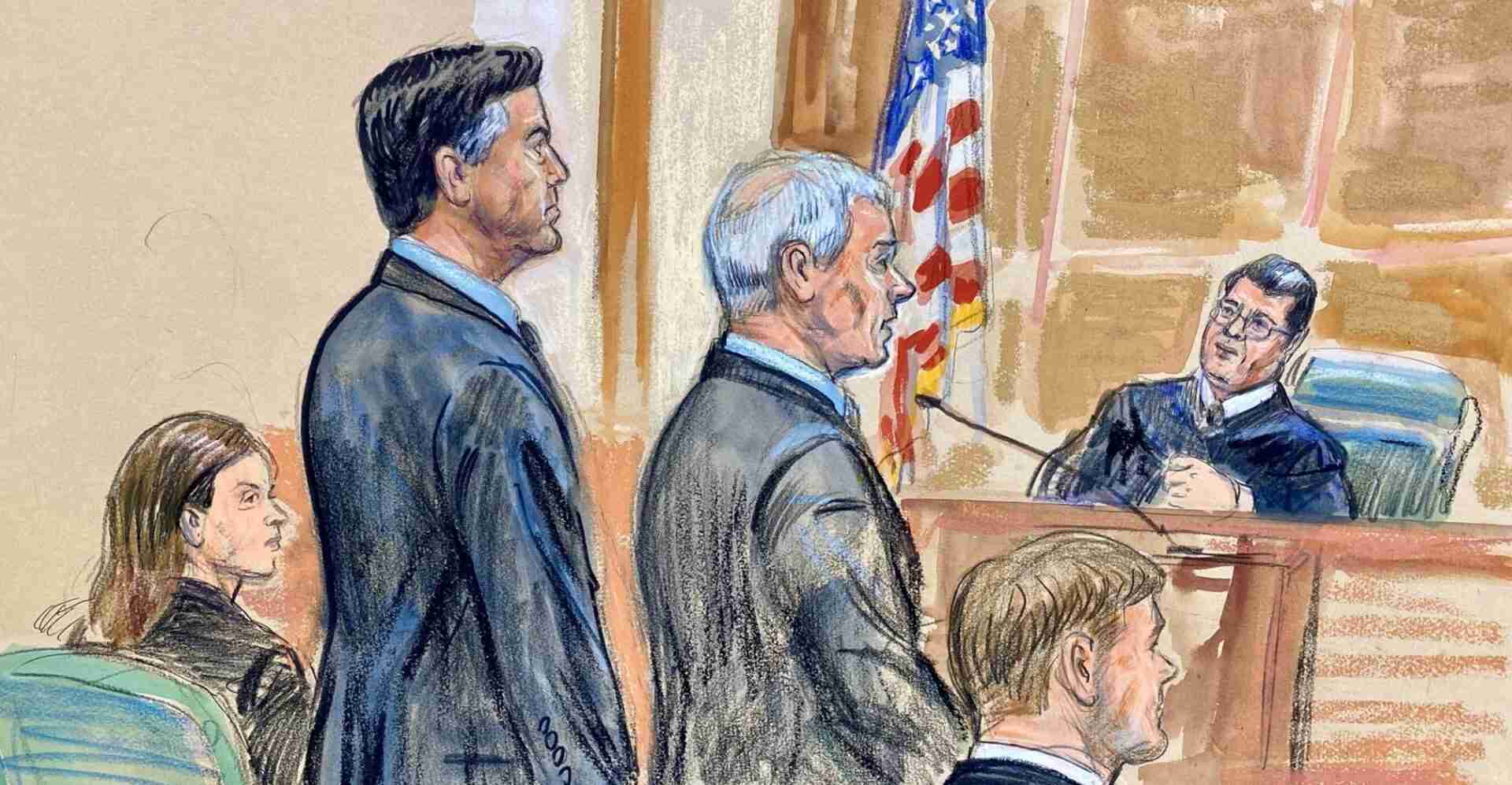
Judge Pushes Back in Comey Indictment, Pressing DOJ on Discovery as Questions Mount About Political Interference
A federal judge in Alexandria is scrutinizing the indictment of former FBI Director James Comey, pressing the Department of Justice for extensive discovery as questions rise about evidence, grand jury doubts and alleged presidential intervention.
- Charges focus on Comey’s 2020 congressional testimony about alleged false statements repeating a 2017 claim—prosecutors relied on the later testimony because earlier statements were time-barred, according to the Brennan Center for Justice.
- Judge is pressing the government on discovery, signaling skepticism about the strength of the prosecution and seeking materials that could reveal internal DOJ decision-making (Brennan Center for Justice).
- Reports of White House intervention—career prosecutors declined to bring the case and were reportedly replaced—raising claims of political interference (Brennan Center for Justice).
- A grand jury rejected one count, an unusual early sign of doubts about the charges and the underlying evidence (Brennan Center for Justice).
Background on the indictment
Prosecutors allege that James Comey made false statements to Congress in 2020 when he testified about whether he had authorized any FBI employee to act as an “anonymous source” to the media. Because the original 2017 statements were outside the statute of limitations, the government centered its case on the 2020 testimony. The Brennan Center for Justice has analyzed the matter and flagged concerns about how the decision to indict was reached.
Judicial skepticism and pressure on discovery
Judicial scrutiny is notable: the presiding judge has actively pressed the government for broad and timely discovery. Discovery — the formal process for the defense to obtain evidence from prosecutors — can illuminate internal memoranda, communications and notes that explain why the case proceeded. That transparency could reveal whether ordinary prosecutorial judgment or outside political influence drove the decision.
Why discovery matters here
Discovery is central because it can expose who pushed for the indictment and what support existed for the charges. If documents show that senior White House officials or political appointees overruled career prosecutors who advised against bringing charges, the defense may press claims of selective or vindictive prosecution. While those claims are difficult to prove, a public record of presidential direction would strengthen the defense’s arguments and is precisely what the judge’s orders aim to uncover.
Grand jury doubts and evidence questions
It is uncommon for a grand jury to reject a proposed count. Reports indicate one count was rejected, suggesting early skepticism about the sufficiency of the evidence. A grand jury decision of that sort does not determine guilt, but it can indicate that prosecutors relied on thin or circumstantial proof. To secure a criminal conviction, the government must show beyond a reasonable doubt that Comey knowingly lied — not merely that he was mistaken.
Defense strategy: selective and vindictive prosecution claims
Comey has pleaded not guilty and requested a jury trial. One anticipated defense line is that the prosecution was selective or vindictive — aimed at political punishment rather than law enforcement. To prevail the defense must show both that similarly situated individuals were not prosecuted and that an improper purpose motivated the prosecution. Those standards are high, but the unusual public record, including reports that the President intervened after career prosecutors declined charges, gives the defense tangible avenues to pursue. The judge’s discovery orders could yield the evidence necessary to press such claims.
Legal hurdles for the prosecution
The prosecution faces several challenges: proving specific intent to lie, explaining why the grand jury rejected a count, and defending decision-making that may appear tainted by political orders. Mistaken memory or differing recollection does not equal a criminal false statement, and if discovery demonstrates improper influence, a judge could suppress evidence or dismiss charges. Those are significant obstacles for the government to overcome.
Political context and DOJ turnover
The case unfolds amid major personnel changes at the Department of Justice and the FBI. Career officials were reportedly pushed out or replaced, and public episodes in which the President commented on prosecutions have raised concerns about DOJ independence. When the White House or its appointees press for prosecutions that career staff declined, questions about political interference surface — potentially eroding public trust in law enforcement and complicating prosecutors’ efforts to show impartiality to a jury.
What could happen next
If discovery reveals improper political influence, a judge could suppress key evidence or dismiss charges. If the case proceeds to trial, prosecutors must convince a jury that Comey knowingly lied. An acquittal would bar retrial under the Double Jeopardy Clause; a conviction would hinge on proving intent beyond a reasonable doubt. The current mix of judicial pressure, grand jury doubts and reports of presidential intervention complicates the prosecution’s path.
Implications for the United States of America
Economic impact: Direct effects are limited, but the high-profile nature of the litigation can create uncertainty that affects investor confidence if the rule of law appears weakened.
Political consequences: The case could influence the election cycle and public views of DOJ impartiality. Evidence of political interference could spur calls for reforms or congressional oversight; an upheld prosecution could reinforce accountability norms.
Social effects: The matter contributes to polarization and institutional mistrust, with supporters and opponents interpreting court actions through political lenses.
Cultural relevance: Allegations of presidentially directed prosecutions cut against the American norm of an independent justice system, raising questions about accountability and separation of powers.
Practical applications: The case underscores the need for transparency: congressional hearings, clearer DOJ independence rules and policies limiting political involvement in prosecutorial decisions are possible reforms. For legal professionals, the dispute highlights the importance of documentation and preserving records in high-profile matters.
Reporting and source notes
This article draws on analysis from the Brennan Center for Justice, which details concerns about prosecutorial subservience and presidential intervention, and on public remarks related to the case including Comey’s remarks. The judge’s discovery orders and the grand jury’s earlier rejection of a charge are central to understanding how the matter may proceed in court.
“Comey has pleaded not guilty and requested a jury trial,” a core fact in the ongoing litigation that frames the defense strategy and the court’s discovery scrutiny.



