
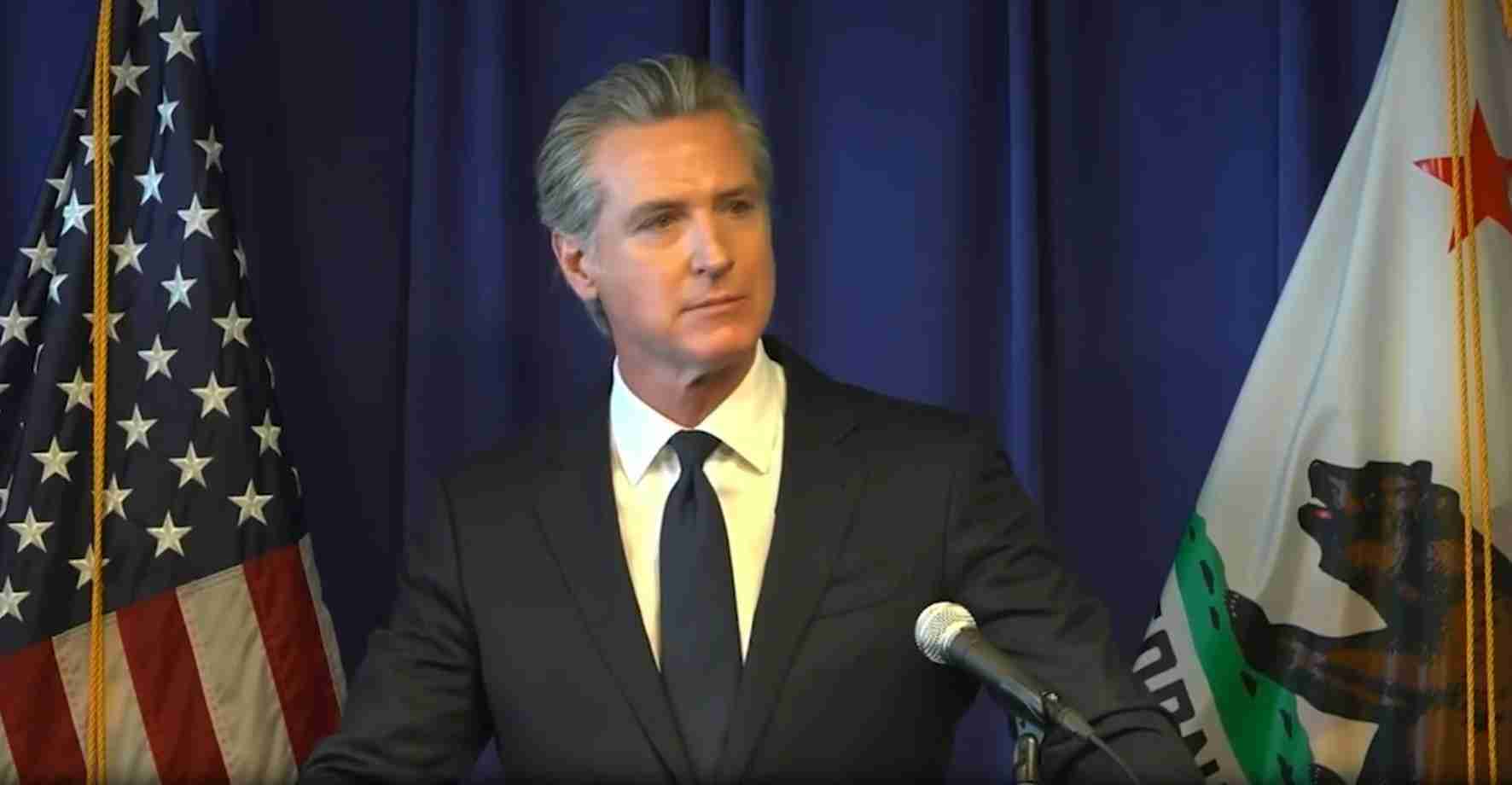
Newsom, 24 states sue Trump administration over SNAP cutoff, calls move “cruelty as policy” and invokes Scripture
California Gov. Gavin Newsom and 24 states filed suit against the Trump administration and USDA after officials announced a suspension of November SNAP benefits during a federal shutdown, calling the policy “cruelty as policy” and seeking emergency relief.
Key takeaways
- 25 jurisdictions sued: California, 24 other states and the District of Columbia filed a federal complaint seeking to block a November SNAP cutoff and force continued payments. Sources include Hey SoCal, Stocktonia, and Patch.
- Contingency funds cited: Plaintiffs say the USDA has roughly $6 billion in multi-year contingency funds and the authority to keep SNAP running during a lapse in appropriations.
- Scale of harm: In California, about 5.5 million people (including 1.9 million children) could lose roughly $1.1 billion in November benefits; nationally an estimated 41 million Americans may be affected.
Legal and political context
The complaint alleges the USDA violated federal law and its own obligations by refusing to tap available contingency funds to continue Supplemental Nutrition Assistance Program (SNAP) payments during a government shutdown. California Attorney General Rob Bonta said the USDA “not only has authority to use contingency funds, it has a legal duty to spend all available dollars to fund SNAP benefits,” accusing the agency of “playing politics with this essential safety net.”
State lawyers argue Congress intended SNAP operations to persist through temporary funding gaps and that the USDA’s announced halt is unprecedented. The filing seeks immediate injunctive relief to prevent a November cutoff and to force use of contingency funds reported at roughly $6 billion as of late September (Hey SoCal, Stocktonia).
Newsom’s rhetoric and the use of Scripture
Governor Newsom framed the decision in moral terms, labeling the policy “cruelty as policy” and saying it “speaks to [Trump’s] basic lack of humanity.” Reports indicate he invoked Scripture in his criticism, though accounts do not provide a verbatim biblical quotation. His remarks link the legal claim to a broader moral argument that the action intentionally harms vulnerable people (Hey SoCal, Patch).
“Cruelty as policy” — Governor Gavin Newsom on the USDA’s announced SNAP suspension.
Federal government’s stance
USDA officials and administration representatives say the agency lacks appropriations to support SNAP during the shutdown and therefore must suspend payments; USDA Secretary Brooke Rollins is cited as saying there is no longer funding to support benefits. States dispute that claim and point to contingency funds and prior shutdown precedent that allowed certain programs to continue (Stocktonia).
Scale of impact and human stories
If November SNAP rolls are not funded, millions of households face immediate hardship. In California alone, officials estimate 5.5 million people depend on SNAP, including 1.9 million children; the state says roughly $1.1 billion in benefits scheduled for November would disappear. Nationwide, about 41 million people could be affected (Hey SoCal, Stocktonia).
Food banks, school meal programs, and community groups warn of higher demand. Local reporting and broadcast segments include on-the-ground interviews and multimedia that underscore urgency—see sample coverage and videos linked below for firsthand accounts and local perspectives:
Political reactions and framing
Democratic leaders and advocacy groups frame the suspension as a politically driven act meant to pressure budget negotiations and punish low-income families. State officials accuse the administration of “playing politics” with an essential safety net. Administration allies counter that spending requires congressional appropriation and contend the legal questions are complex and suitable for courts to resolve (Hey SoCal, Stocktonia).
USDA food aid lawsuit and national implications
The litigation may establish precedent for how safety-net programs operate during future shutdowns. If courts order the USDA to resume payments using contingency funds, agencies may have clearer authority to maintain benefits during funding gaps. If courts side with the administration, beneficiaries could face new exposure to funding lapses.
Given the imminent November cutoff, the case is expected to move quickly through federal court. That tight timeline forces judges to weigh urgent legal claims while states and service providers brace for immediate need, raising both legal and humanitarian stakes.
Implications for United States
- Economic impact: A nationwide SNAP cutoff would push more Americans to food banks and emergency services, increasing short-term demand and costs for local governments and nonprofits (Hey SoCal).
- Political consequences: The dispute could reshape voter sentiment and energize constituencies, with rhetoric like “cruelty as policy” aimed at mobilizing faith communities and concerned voters (Patch).
- Social effects: Immediate hardship for families—especially children—could increase food insecurity, strain schools and community programs, and worsen health outcomes.
- Legal precedent: The court’s decision may define agency discretion in funding programs during shutdowns and clarify contingency-fund use, influencing future budget standoffs.
- Practical outcomes: Households relying on SNAP could face shortages; schools and nonprofits may expand emergency meal programs; states could reallocate budgets or seek emergency aid.
Reporting note: This story relies on filings, state statements and media accounts from Times Media Service and partner outlets. Primary reporting sources include Hey SoCal, Stocktonia, Patch, and multimedia at the links above.



