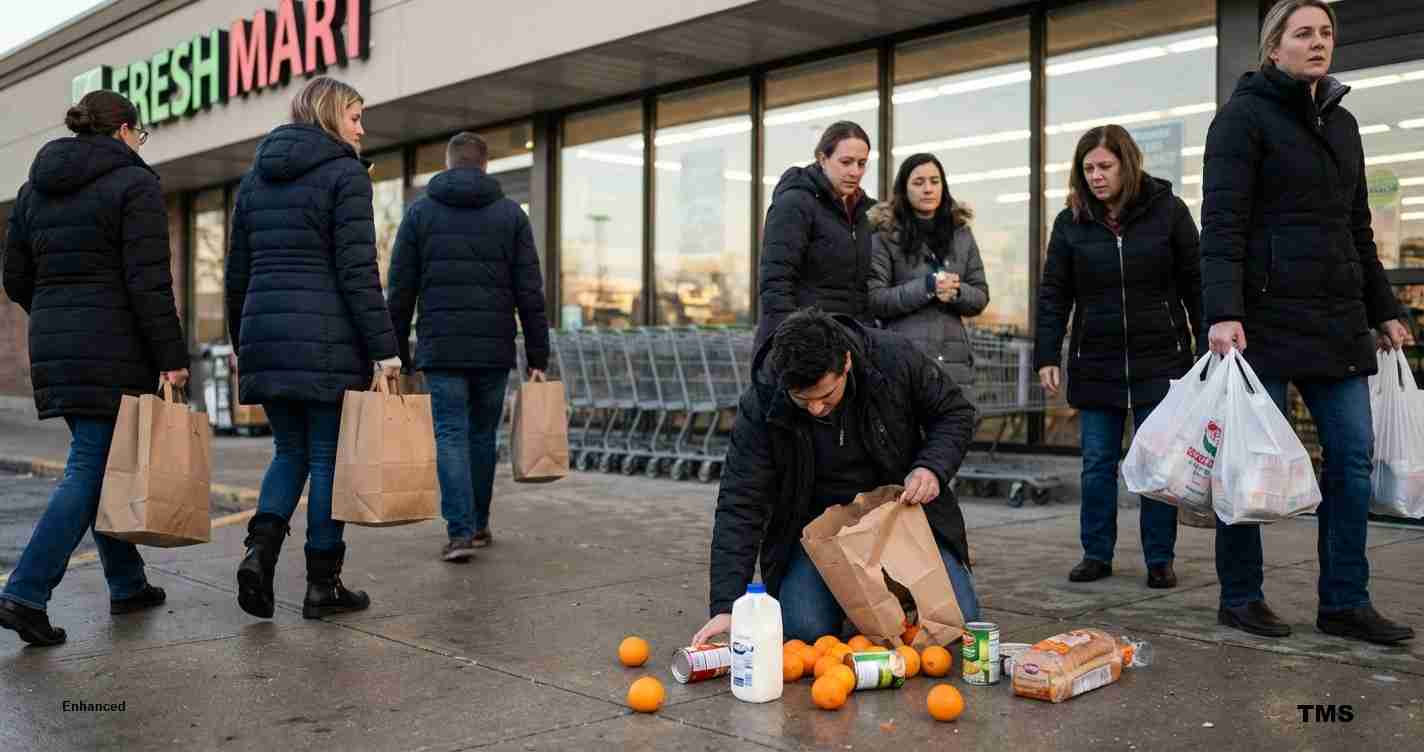
California escalates its war on plastic grocery bags — banning even reusable versions in new law
Effective January 1, 2026, California will ban all plastic film checkout bags at grocery and similar stores under SB 1053, eliminating thicker “reusable” plastic film bags and requiring shoppers and retailers to shift to non‑plastic options statewide.
- SB 1053 closes a loophole: the amendment removes allowances for film “reusable” bags — see StopWaste.
- Timetable: pre‑checkout bag rules tightened Jan. 1, 2025; full film bag ban at checkout begins Jan. 1, 2026 — per CalRecycle.
- Enforcement and settlement: AG enforcement and a 2025 settlement with manufacturers helped drive the change — reporting by SFGATE and the Plastic Pollution Coalition.
California escalates its war on plastic grocery bags — what changes under SB 1053
California’s updated approach removes the last statewide allowance for plastic film supermarket checkout bags. Under SB 270 (2014–2016) the state banned thin single‑use plastic carryout bags at many large food and drug retailers but allowed thicker “reusable” plastic film bags if they met durability and recycled‑content rules (CalRecycle; StopWaste).
SB 1053 is the “fix‑it” amendment. It eliminates distribution of any film plastic bags — both thin single‑use bags and thicker reusable film bags — at covered checkouts starting January 1, 2026. Stores will instead use non‑plastic options such as recycled‑content paper or durable non‑film reusable bags (e.g., cloth totes) (StopWaste; SFGATE).
A brief timeline — from SB 270 to SB 1053
- 2014–2016 (SB 270): Thin single‑use carryout bags were banned at many large retailers; thicker reusable film bags were allowed with standards (CalRecycle).
- January 1, 2025: Pre‑checkout bag rules (produce, meat) tightened so they must be recycled paper or compostable — effectively banning conventional plastic produce bags (CalRecycle).
- January 1, 2026: SB 1053 takes effect, banning all film plastic bags at checkout for stores covered by SB 270 (StopWaste; SFGATE).
Enforcement, legal action and false recyclability claims
California’s Attorney General, Rob Bonta, investigated manufacturers that labeled thick plastic bags as “recyclable” without meeting CalRecycle standards. The probe and a settlement announced in October 2025 forced four major bag makers to stop selling certain plastic bags in California and pay roughly $1.7 million combined in penalties and fees for false recyclability claims and violations of the state’s bag law (SFGATE; Plastic Pollution Coalition).
Advocates say the settlement and SB 1053 together finally match the law’s intent by stopping manufacturers and retailers from swapping one form of plastic for another while claiming environmental gains that don’t materialize.
What remains allowed, and where gaps persist
Allowed with conditions: Very thin compostable pre‑checkout bags for produce and meat may be used if they meet compostability standards; paper bags with recycled content remain an acceptable checkout option (CalRecycle; StopWaste).
Not covered: Plastic packaging for individual products — chip bags, multi‑layer pouches, and other product wrappers — are outside the carryout bag law and continue to generate significant waste (Plastic Pollution Coalition).
Policy rationale and expected impacts
State and independent research show bans on single‑use plastic carryout bags typically reduce litter and plastics in waterways and coastal areas. However, when thin bags were replaced by thicker film “reusable” bags, overall plastic consumption often did not decline enough to meet goals. SB 1053 aims to stop that substitution effect and push consumers and businesses toward durable non‑film reusable bags and recycled‑content paper (StopWaste; Plastic Pollution Coalition).
Business impacts: The law brings regulatory clarity but requires stores to rework checkout workflows, stock compliant alternatives, and train staff. Shoppers can expect more frequent charges for paper bags and stronger encouragement to bring durable reusable bags (SFGATE).
Practical steps for shoppers and retailers
- Shoppers: Bring sturdy reusable bags (cloth, woven nylon), expect paper checkout bags when needed, and keep extra bags in vehicles or purses.
- Retailers: Audit bag inventory, stop ordering film plastic checkout bags, update point‑of‑sale systems to charge where required, and post clear customer notices. CalRecycle guidance details acceptable bag types and labeling (CalRecycle).
Implications for United States of America
California’s tightened ban will be watched nationwide. The state often serves as a regulatory bellwether; this policy may prompt similar legislative or regulatory moves in other states and cities, affect supply chains for bag manufacturers and paper suppliers, and shape enforcement approaches to recyclability claims (StopWaste; SFGATE).
Policymakers will weigh environmental goals against potential higher consumer and business costs; California’s experience will provide practical evidence for other jurisdictions considering limits on reusable plastic film and broader packaging policies (CalRecycle).