Hilton Accuses Newsom of ‘Fearmongering’ Over Top‑Two Risk as California’s Jungle Primary Nears
As California’s 2026 gubernatorial primary nears, Gov. Gavin Newsom warned Democrats could be locked out of November’s ballot under the top‑two system. Republican Steve Hilton called that “fearmongering,” accusing Newsom of trying to split GOP voters.
- Newsom says he has a contingency plan — a “break the glass” response if Democrats risk being locked out under the top‑two primary.
- Hilton calls the warning fearmongering and publicly urged rival Chad Bianco to withdraw to avoid GOP vote‑splitting.
- Analysts note a real structural risk in the jungle primary, though probability depends on polling, fundraising and turnout.
Newsom’s warning and Hilton’s response
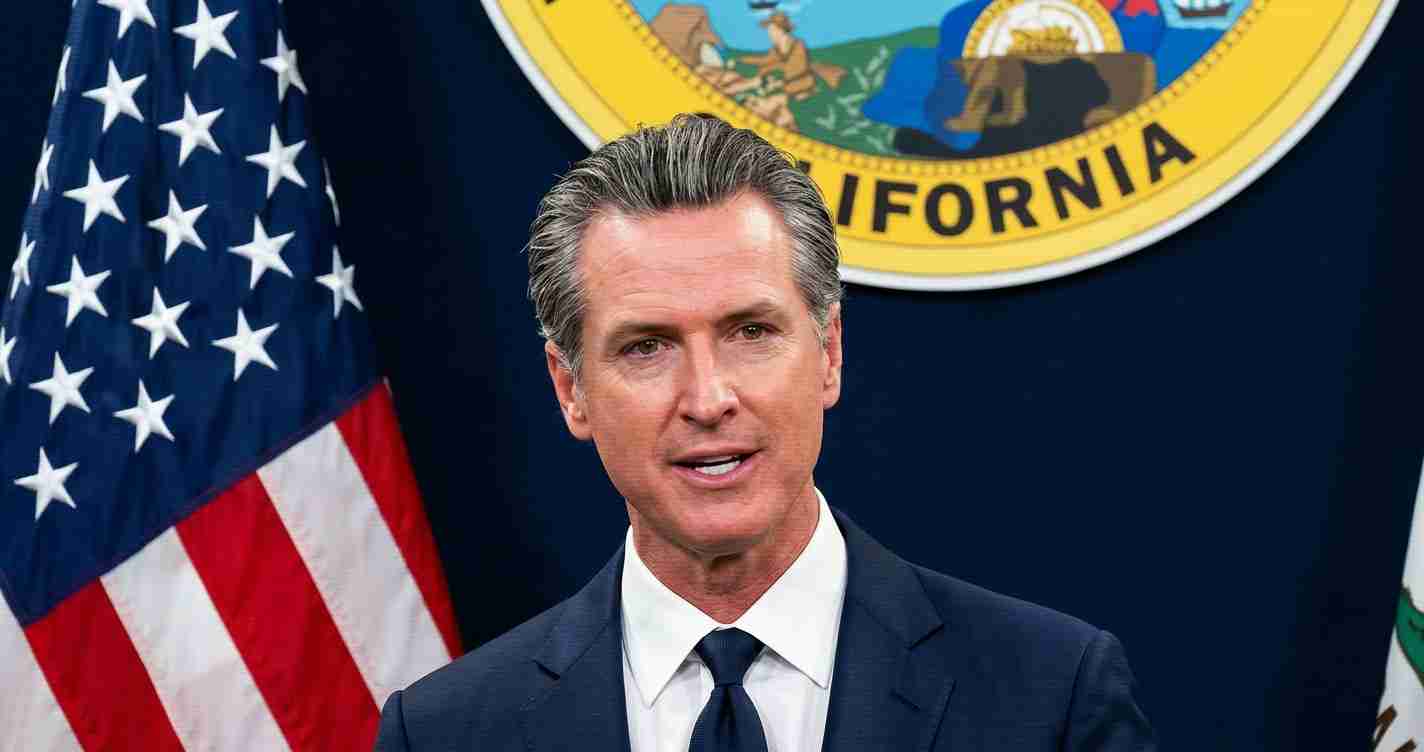
At a news conference last Thursday, Gov. Gavin Newsom warned there was a scenario in which Democrats could be “locked out” of the November ballot in the statewide contest. Newsom said he had a “break the glass” plan to respond if polling or vote totals suggested Democrats were at risk.
“There’s many people that have a deep understanding of what it would look like if Democrats were locked out, and we’re going to do everything to make sure that doesn’t happen,” Newsom said. “I’ll leave it there.”
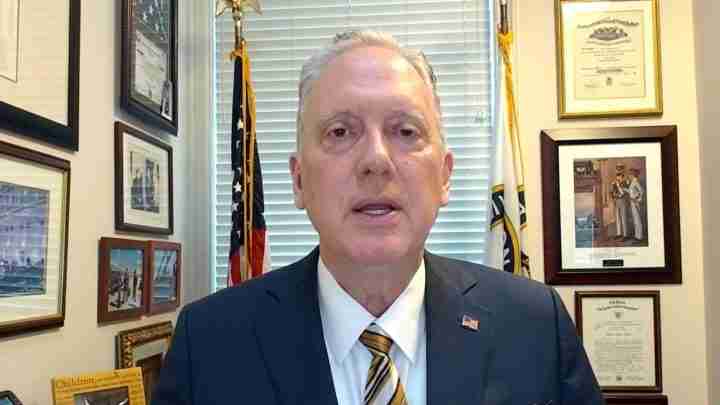
Steve Hilton, who leads the Republican field in recent polling averages, immediately pushed back. In a statement to Fox News Digital, Hilton said Newsom was engaging in “fearmongering” to force Republicans to split their votes between himself and Chad Bianco. “He’s not trying to stop a top two Republican outcome because that is not possible and never was,” Hilton said, arguing Bianco is far behind Hilton in polls and fundraising and “has no chance of being in the top two.”
Hilton also posted a video on X publicly urging Bianco to leave the race to ensure a Republican appears on the November ballot. The Hilton campaign frames the appeal as a practical move to avoid a Democratic‑only runoff and to prevent Gov. Newsom from diverting attention from his record as he eyes a possible national political future.
Polling snapshot and the field
The 2026 California governor’s contest is crowded on both sides. Key figures include Xavier Becerra, Tom Steyer and Katie Porter on the Democratic side, and Steve Hilton and Chad Bianco on the Republican side. Public polling averages compiled by RealClearPolitics show Hilton leading overall with Becerra close behind, while Bianco trails in fourth place. Fundraising tallies reported by campaign finance filings also show Bianco lagging.
That mix — several high‑profile Democrats and multiple Republicans — creates the strategic uncertainty Newsom alluded to. If Democratic votes are split among three or more candidates while Republicans consolidate, it is possible for two Republicans to finish in the top two. Conversely, if Republicans fragment, two Democrats could advance. Political scientist Richard Winger of Ballot Access News told reporters this is “the first gubernatorial election where there’s no obvious winner, so that’s why it’s such a tense thing.”
How the jungle primary works
California’s top‑two primary, often called a jungle primary, places every candidate for an office on the same ballot in the primary. The two candidates with the most votes, regardless of party, advance to the general election. The system was approved by voters in 2010 through California Proposition 14 and has been used statewide since 2012. It has produced same‑party general election matchups, particularly in heavily Democratic districts.
Both party operatives and independent analysts say the system raises real strategic risks in a crowded race. The risk is not hypothetical: in past contests, unified majorities or concentrated support for a party’s candidates have produced same‑party runoffs that shut the other party out of the general election ballot. But California’s strong Democratic baseline makes a two‑Republican November less likely unless Democrats split their vote unusually evenly.
Why Hilton frames Newsom’s remarks as political theater
Hilton’s attack has two goals. First, it seeks to reassure Republican voters that he is the best bet to reach the top two and to undermine rival Republicans’ claims. Second, it aims to put political pressure on Bianco to withdraw and consolidate GOP support. Hilton argues Newsom’s public scenario is intended to spook Republicans into splitting their vote — an outcome he says would help Democrats secure an all‑Democrat November matchup and deflect scrutiny from Newsom’s statewide record as he positions himself nationally.
Democrats’ rebuttal and strategy
Newsom’s camp and Democratic strategists reject the charge that the governor is scheming to manipulate the primary. They say Newsom’s comments were a frank warning about the mechanics of the top‑two system and a promise to prepare for a worst‑case outcome. Democrats are equally anxious about vote splitting: with high‑profile names like Xavier Becerra and Katie Porter in the race, they must avoid fragmenting the party to the point where Republicans could take both top spots.
Analyst perspective: risk versus probability
Nonpartisan observers make a key distinction between risk and probability. The top‑two system creates a clear structural risk that either party could be shut out of November. But probability depends on party advantage, candidate name recognition, fundraising and voter turnout. In California — a state that favors Democrats in registration and typical voting patterns — analysts say a same‑party Republican runoff is mathematically possible but unlikely without a rare series of events.
Implications for the United States
- Presidential and national politics: A chaotic or unexpected result in California could reverberate nationally, shaping narratives ahead of 2028 and affecting speculation about Gavin Newsom’s national ambitions.
- Party strategy and voter behavior: Both parties may alter messaging, endorsements and resource allocations to prevent a shutout; national GOP groups may watch Hilton’s consolidation tactics as a model.
- Electoral reform debates: The top‑two system remains controversial; outcomes here may spur renewed debate on primary design and representative results.
- Voter turnout and engagement: Public disputes can drive turnout or depress it if voters perceive manipulation, affecting trust in the process.
- Policy messaging ahead of 2028: Parties will use the outcome to craft narratives about competence and electability for future cycles.
Source notes and further reading
– Fox News Digital — coverage of Steve Hilton’s statement and campaign video.
– RealClearPolitics — polling averages (California governor race).
– CalMatters — reporting and voter guides on California elections.
– Ballot Access News — analysis and Richard Winger commentary.
– California Proposition 14 (2010) information and state election resources.
– Gavin Newsom official communications (news conference remarks).