Deadly Lake Tahoe avalanche kills eight, leaves one missing; guides, weather warnings under scrutiny
On February 17, 2026, a guided backcountry ski trip near Frog Lake and Castle Peak, north of Lake Tahoe, was overtaken by a massive slab avalanche, killing eight, leaving one missing, and triggering a major search, recovery and safety review.
Key takeaways
- Deadliest U.S. avalanche since 1981: Eight confirmed dead, one missing and presumed dead after a guided trip near Frog Lake and Castle Peak on Feb. 17, 2026 — 2026 Lake Tahoe avalanche (Wikipedia).
- Guided party affected: The outing included 11 participants and four guides from Blackbird Mountain Guides; three of four guides are among the presumed dead and six survivors were rescued (Wikipedia; Los Angeles Times coverage).
- Weather and warnings in focus: A major Sierra Nevada storm produced rapid accumulation; the Sierra Avalanche Center issued a watch then upgraded to a warning the same morning, a change under review by investigators.
Main
What happened
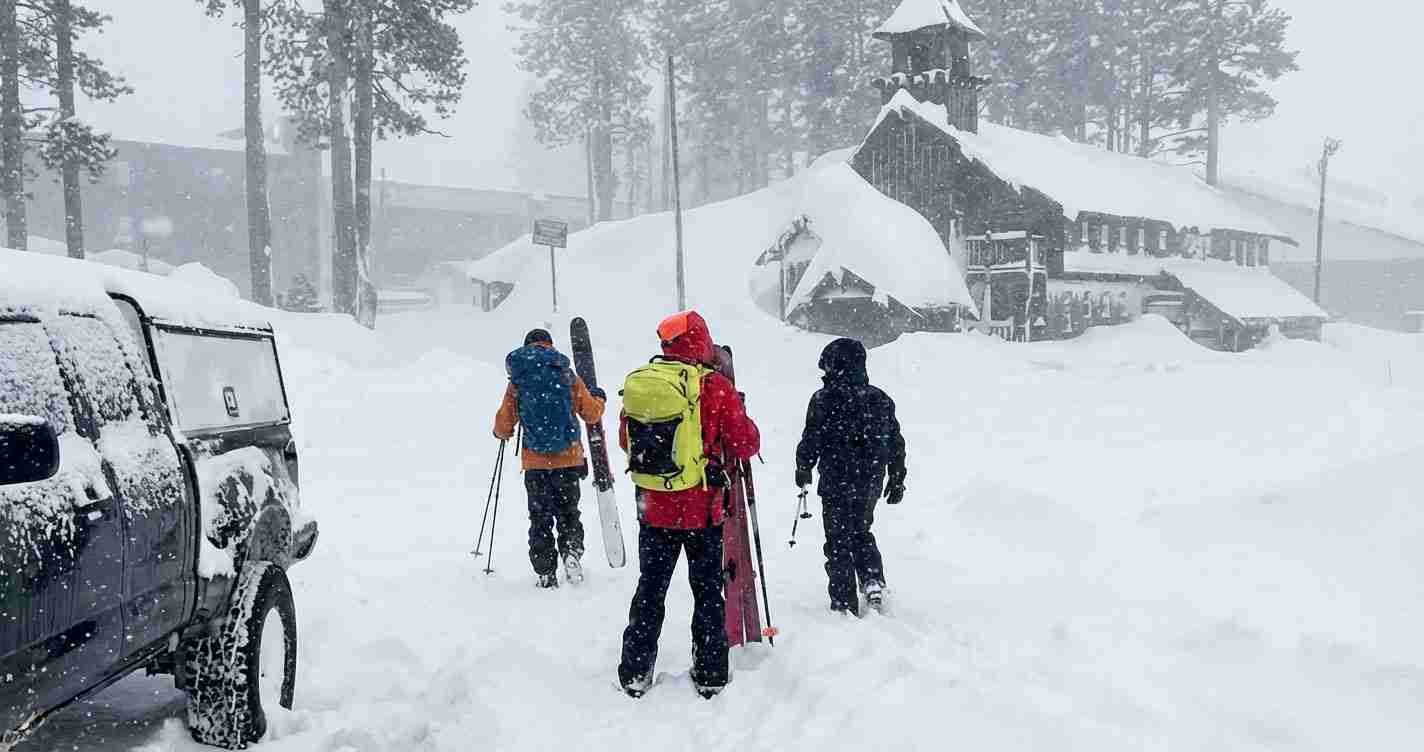
Rescue crews say the guided party was concluding a three-day trip to Frog Lake huts when, at about 11:30 a.m., someone shouted “Avalanche!”. A football field–sized slab moved rapidly and overtook the skiers. Snow totals rose quickly; Boreal Mountain Ski Resort recorded about 30 inches in 24 hours, and reports estimate 3 to 6 feet of new snow in parts of the range by Feb. 17 — conditions that favor large slab avalanches.
Rescue calls reached authorities that morning; teams arrived on scene by about 5:30 p.m. that evening. Crews found six survivors sheltering under a tarp and using avalanche beacons and an iPhone emergency mode. Two survivors were hospitalized with serious injuries.
Victims and survivors
Local reporting and family statements describe many victims as experienced backcountry skiers and members of close friend groups and ski communities across the Bay Area, Truckee and Idaho. Several victims were mothers and friends who traveled together; families have asked for privacy as they grieve.
Some of those killed had connections to Sugar Bowl Academy, a private boarding school and ski/snowboard club on Donner Summit. One victim was the spouse of a member of Tahoe Nordic Search and Rescue. Reporting identified victims via family statements and local sources (Los Angeles Times).
The guides
Blackbird Mountain Guides, which operated the trip, described the event as “our saddest” and urged avoidance of speculation while investigators work. Authorities said guides had communicated with base during the outing, but investigators will determine whether guides received or saw the Sierra Avalanche Center’s upgrade from a watch to a warning before the final morning departure.
“Investigators will review the decision to proceed Sunday despite the forecast,” said Nevada County Sheriff Shannan Moon.
Warnings, forecasts and decisions
The Sierra Avalanche Center issued an avalanche watch at 6:49 a.m. Search-and-rescue operations shifted to body recovery when weather and terrain made further rescue attempts unsafe; one person remains unaccounted for and is presumed dead. Tahoe National Forest temporarily closed trails and lands in the Castle Peak area from Feb. 20 to March 15 to allow recovery teams to work with snow machines, aircraft and planned explosives to move unstable snow safely. Agencies emphasized responder safety given the unstable snowpack. Authorities and volunteer rescuers praised the survivors’ use of safety gear — avalanche beacons and emergency devices — which likely aided rescues. The remote location and severe storm conditions have raised questions about response timelines in backcountry incidents. Multiple agencies, including the Nevada County Sheriff’s Office, are investigating. The probe will examine the guides’ and clients’ decisions, weather and avalanche forecasts, equipment, communication records, and potential procedural or regulatory gaps. Sheriff Shannan Moon has said the review will be thorough to determine whether the trip should have proceeded given available forecasts. The tragedy carries practical, economic, political and cultural implications across recreation, local economies and public safety policy. This story is based on reporting by Times Media Service and material from official advisories and local news coverage. Key sources include: Investigators continue to collect evidence and interview witnesses. Agencies have urged the public to allow officials to complete their work while communities and families begin recovery and memorial steps.Search, recovery and safety measures
Ongoing investigations
Implications for the United States of America
Economic impact
Political consequences
Social effects
Cultural relevance
Practical applications
Reporting and sources