
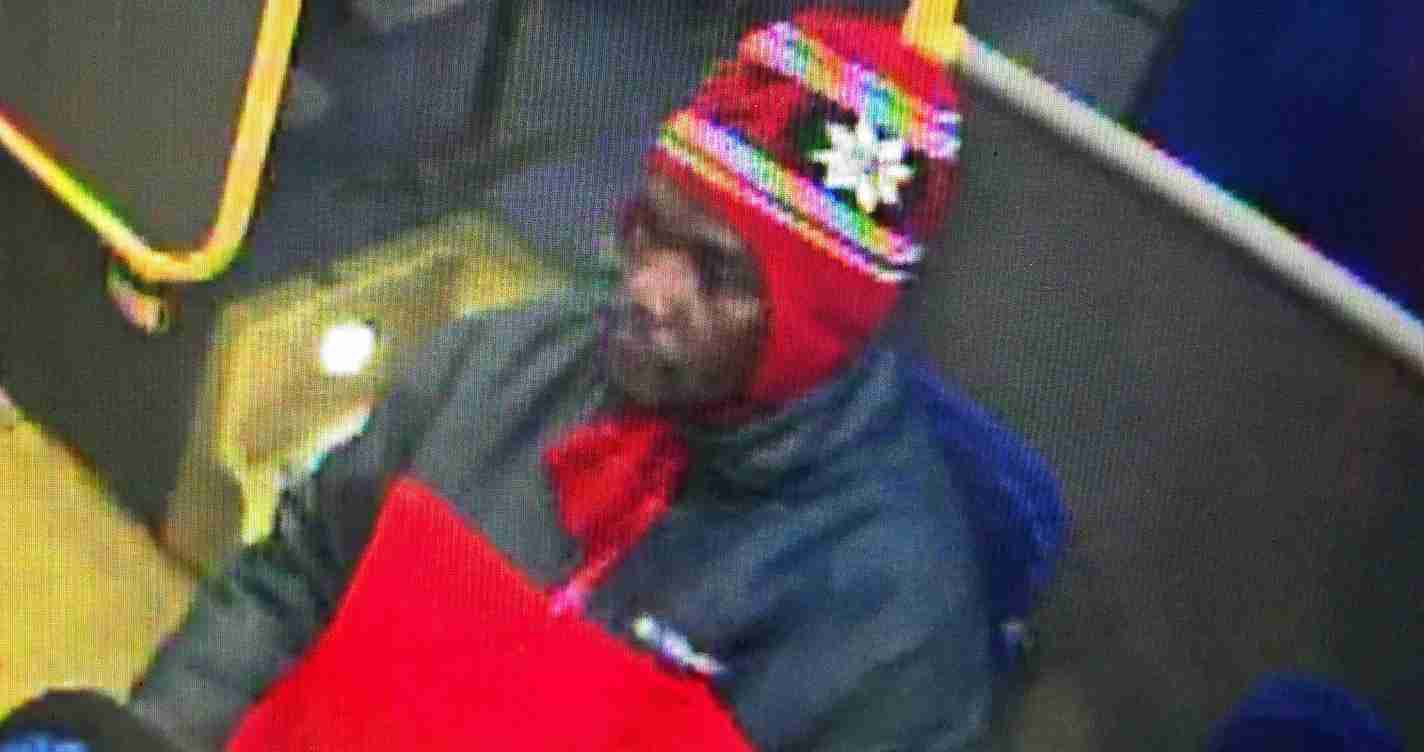
Headlined warning, dropped cases and a deadly bus stop stabbing: Questions raised after illegal immigrant with long record charged in Fairfax killing
Abdul Jalloh, 32, has been charged with second‑degree murder in the Feb. 23, 2026, fatal stabbing of Stephanie Minter at a Fairfax County bus stop, renewing scrutiny of prosecutors’ decisions after many prior charges were dropped.
Key takeaways
- Defendant: Abdul Jalloh, 32, charged with second‑degree murder in the Feb. 23 killing of Stephanie Minter, according to a Fairfax County police statement.
- Criminal history: Authorities say Jalloh entered the U.S. in 2012 and has dozens of prior arrests and more than 40 charges cited by police, including allegations of rape, assault and weapons offenses, reported by WSET and FOX5 DC.
- Prosecutorial decisions: Fairfax County Commonwealth’s Attorney Steve Descano’s office declined to pursue many past charges, citing victim non‑cooperation and evidentiary limits, according to local reporting.
- Immigration enforcement: ICE lodged a detainer in 2020; DHS has urged state and local cooperation with federal removal processes.
What happened
Fairfax County police say investigators arrested Jalloh a day after the Feb. 23 stabbing when a liquor store employee called 911 to report a suspected shoplifter; officers identified the suspect and took him into custody, according to a Fairfax County police release. He was charged with second‑degree murder in the death of 41‑year‑old Stephanie Minter. Local reporting and police records describe a long history of contacts between Jalloh and law enforcement.
Criminal history and prior cases dropped
Federal and local records reviewed by authorities show Jalloh has a lengthy criminal history in northern Virginia. The U.S. Department of Homeland Security (DHS) and local police reports say his record includes arrests and charges for rape, malicious wounding, assault, drug offenses, identity theft, trespassing, larceny, firing a weapon, contributing to the delinquency of a minor and pick‑pocketing.
DHS characterizes him as an illegal immigrant who entered in 2012; those details are reflected in reporting by WSET and FOX5 DC.
Local reporting and law‑enforcement data indicate that Fairfax County prosecutors declined to pursue many of those cases over time. The Commonwealth’s Attorney’s office has said some charges were dismissed because prosecutors lacked the victim cooperation or evidence necessary to secure convictions.
Warnings from police — emails and verification limits
Multiple local reports suggest Fairfax County Police Department personnel warned the Commonwealth’s Attorney’s office about Jalloh on previous occasions. Accounts attributed to WJLA describe emails in which FCPD raised concerns that Jalloh was a repeat violent offender and questioned why he had been repeatedly released.
One purported message quoted in reporting said a police major wanted to know “why he is out so soon” and warned it was “not a question of if, but rather when he will maliciously wound (or worse) again,” adding the major’s role was “of keeping the public safe.”
Times Media Service was not able to obtain or independently verify the underlying emails or WJLA’s reporting of them. The claimed email content has not been published in available public records reviewed for this story; neither the Commonwealth’s Attorney’s office nor the Fairfax Police Department released the emails to this outlet when asked. Because the original emails were not provided, their verbatim contents and full context could not be authenticated for this report.
Prosecutor’s office response and constraints
Fairfax Commonwealth’s Attorney Steve Descano’s office has said many cases involving uncooperative victims or insufficient evidence cannot be successfully prosecuted. Local reporting notes the office declined to pursue charges in multiple past encounters with Jalloh for those reasons. Prosecutors must meet legal standards to proceed, and lack of victim cooperation can block charges, particularly in sexual‑assault and assault cases.
Immigration enforcement and federal involvement
ICE reportedly lodged a detainer against Jalloh in 2020 after previous arrests. DHS has publicly urged state and local cooperation with federal immigration authorities to facilitate removal of individuals with criminal histories; federal officials note that removal depends on cooperation from local jurisdictions and legal process. Those DHS and ICE details were reported by FOX5 DC and summarized by WSET.
National and local leaders have responded with calls for clarity and accountability; DHS asked Virginia’s governor and Fairfax County officials to coordinate with federal authorities to ensure removal processes are followed where appropriate.
Reported facts vs. unverified claims
Confirmed: Jalloh is charged with second‑degree murder and has a lengthy record of contacts with police and federal immigration authorities, as described in official releases and local reporting.
Unverified: The full content and provenance of emails purportedly showing FCPD warnings to the Commonwealth’s Attorney’s office remain unverified; Times Media Service could not locate those emails or an original WJLA posting and could not independently confirm the exchanges.
Why the records matter
Information exchange between police and prosecutors is central to public safety. If police repeatedly flagged an individual with a violent history and prosecutors declined action for reasons beyond legal constraints, that would raise questions about policy and accountability. At the same time, prosecutorial discretion is limited by evidentiary standards, constitutional protections and victim participation.
Implications for the United States
Economic impact: High‑profile cases can affect business confidence, raise policing and incarceration costs, and strain local budgets when public‑safety resources are reprioritized.
Political consequences: The case is likely to become a focal point in debates over immigration enforcement, state‑federal cooperation and prosecutorial discretion, potentially influencing campaigns and policy proposals.
Social effects: Violent crimes of this profile can heighten community fear, reduce trust in institutions, and strain victims’ families and neighborhoods.
Cultural relevance & practical applications: The case touches on balancing due process with public safety and may prompt reviews of information‑sharing protocols, prosecutorial discretion policies, and victim‑witness resources.
Sources and further reading
- Fairfax County Police Department release: Man charged for Hybla Valley homicide
- WSET reporting on Jalloh’s record and statements from officials
- FOX5 DC coverage, including DHS/ICE details
Reporting note: Times Media Service attempted to obtain copies of the emails reportedly obtained by local station WJLA that allegedly show prior warnings from the Fairfax County Police Department to the Commonwealth’s Attorney’s office. Those messages were not provided to this outlet and could not be independently verified.



