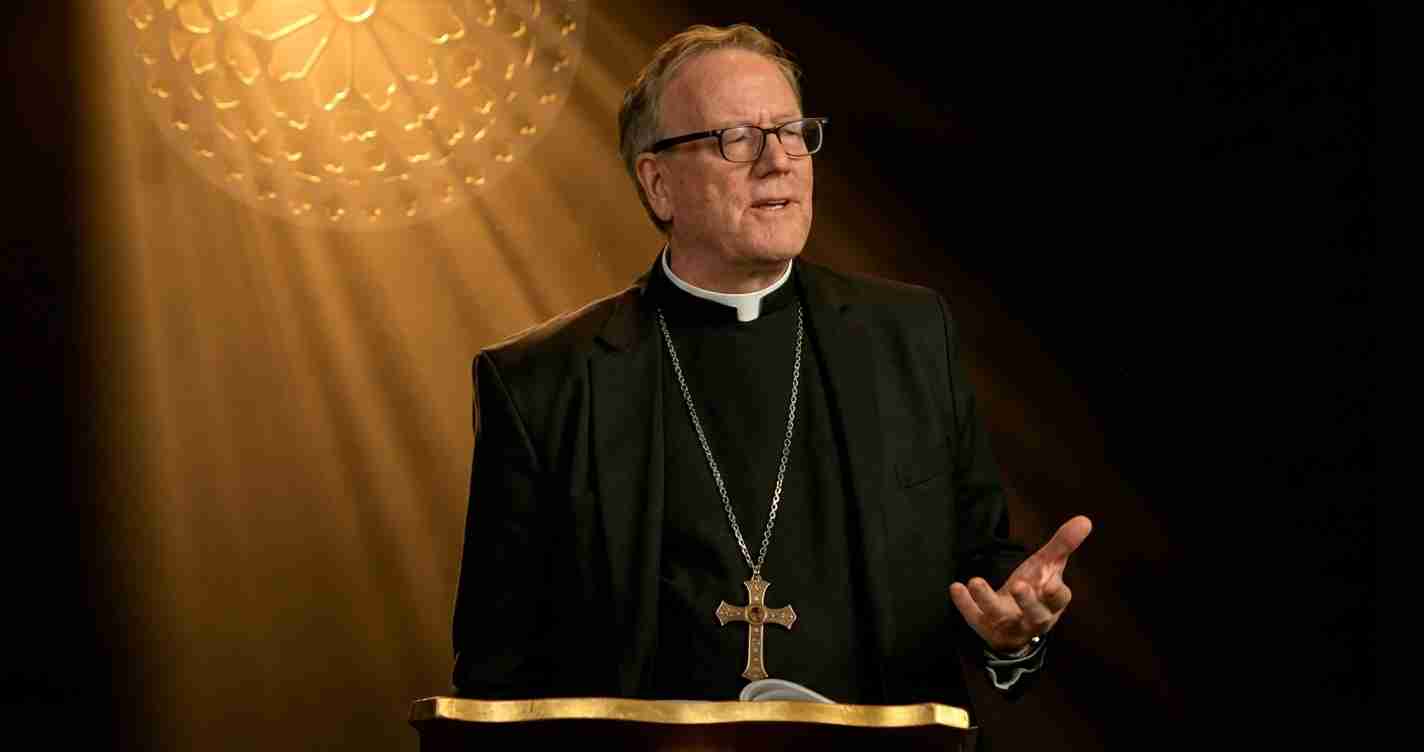
Bishop Robert Barron Rebukes NYC Mayor Zohran Mamdani’s “Warmth of Collectivism” Line
Bishop Robert Barron sharply criticized New York City Mayor Zohran Mamdani’s inaugural line promising to replace “rugged individualism” with the “warmth of collectivism,” warning collectivist systems historically produced mass suffering and rejecting socialism on theological grounds.
- Barron publicly rebuked Mamdani’s phrase and warned that 20th-century collectivist regimes caused immense death (sources: Fox News; Christian Post).
- Mamdani’s actions included three housing-focused executive orders hours after his inauguration (coverage: Fox News; AOL).
- National figures reacted — conservatives warned about coercion under collectivism while some religious commentators noted overlap between housing goals and Catholic social teaching (sources: Fox News; Word on Fire).
Barron’s rebuke: words and claims
What he said: On Jan. 2, 2026, Bishop Robert Barron posted on X that Mamdani’s line “took my breath away” and urged, “For God’s sake, spare me the ‘warmth of collectivism.’” Barron framed his objection in historical and moral terms, arguing that collectivist systems of the 20th century were tied to massive death and suffering (sources: Fox News; Christian Post).
“For God’s sake, spare me the ‘warmth of collectivism.’” — Bishop Robert Barron on X, Jan. 2, 2026
Barron also named contemporary socialist or communist governments — Venezuela, Cuba and North Korea — as examples he considers “disastrous,” and emphasized that Catholic social teaching rejects socialism while endorsing a market economy that protects human dignity and freedom (sources: Fox News; Christian Post).
Barron’s record and institutional context
Bishop Robert Barron leads Word on Fire and frequently comments on religion in public life. His critique of Mamdani fits a pattern of public interventions where he assesses political language against religious teaching (source: Christian Post).
Mamdani’s inaugural language and immediate actions
In his inaugural address Mamdani used the contested phrase about trading “the frigidity of rugged individualism” for “the warmth of collectivism.” He is New York City’s first Muslim mayor and identifies as a democratic socialist. He was privately sworn in at midnight on Jan. 1, 2026, using family Qurans, and later held a public event attended by progressive figures (sources: Fox News; AOL).
Housing executive orders (hours after inauguration):
- Revived the Mayor’s Office to Protect Tenants to expand complaint handling and landlord accountability (Mamdani’s housing orders).
- Created the LIFT task force to review city-owned property for housing potential by July 1, 2026 (Fox News).
- Launched the SPEED task force to streamline permitting and cut red tape for equitable development (Fox News).
Mamdani also revoked predecessor Eric Adams’ executive orders — including one related to boycotts of Israel — prompting criticism from some Jewish leaders and Rep. Elise Stefanik (R‑N.Y.). He has made strong statements on Israel’s conduct in Gaza, calling it an “apartheid state” and accusing Israel of genocide, while also pledging zero tolerance for antisemitism and more funding to fight hate crimes (source: Fox News).
National reactions and political context
Conservative leaders like Florida Gov. Ron DeSantis warned collectivism “requires coercion and force,” while Sen. Ted Cruz said “individual rights are invariably taken away” under collectivist systems. Commentators compared Mamdani’s remarks to historic socialist rhetoric and criticized perceived state encroachment on liberty (sources: Fox News; Gabriella Hoffman Substack).
Religious commentators added nuance: for example, a Word on Fire article argued that some of Mamdani’s housing aims align with Catholic social teaching on the common good, while still critiquing socialist methods.
Fact-check and media coverage
Initial coverage of the Barron–Mamdani exchange appeared primarily in conservative and faith-based outlets. Reporting and commentary were published by Fox News, Christian Post, AOL, and Substack analysis. At the time of those reports, outlets noted no recorded response from Mayor Mamdani’s office to Barron’s X post (sources: Fox News).
Implications for the United States
Economic impact
Mamdani’s housing orders indicate a more active city role in housing policy. If replicated nationally, expect debates over tenant protections, public land use for housing, regulatory costs, and effects on supply and investment. Policymakers must balance protections for renters with incentives for development (see Mamdani’s housing orders).
Political consequences
The exchange spotlights national splits over language and ideology. Conservatives view the phrase as a signal for stronger government intervention; moderates will weigh whether policies are coercive. The debate could mobilize voters on government size, property rights, and the role of faith leaders in political discourse (sources: Fox News; Gabriella Hoffman Substack).
Social effects
Rhetoric and backlash may deepen cultural divisions. Supporters argue Mamdani addresses inequality and affordability; critics fear normalizing state control. Religious leaders like Barron will likely continue framing the debate in moral terms, influencing public perception and civic engagement (source: Word on Fire).
Practical applications for policymakers and voters
- City leaders should track housing supply, rent trends, and tenant outcomes to assess policy effectiveness.
- Lawmakers must balance renter protections with incentives for builders and property owners.
- Voters and faith communities should demand clear metrics — rents, housing starts, tax costs, and legal property protections — to evaluate whether policies advance the common good without undue coercion.
Reporting and sources
This article draws on reporting and commentary from conservative and faith-based outlets, plus religious analysis. Full sources referenced:
Preserved facts and original sourcing as reported in the referenced outlets.