
Former Fed leaders blast DOJ criminal probe of Jerome Powell as threat to central bank’s independence
A Department of Justice criminal probe into Federal Reserve Chair Jerome Powell over testimony about a $2.5 billion headquarters renovation has prompted bipartisan alarm from former Fed leaders, who warn the investigation threatens the central bank’s institutional independence.
- DOJ inquiry centers on Powell’s June testimony about the Fed’s estimated $2.5 billion headquarters renovation and whether he made false statements.
Sources: ABC News (report 1), ABC News Business (report 2) and the Fed. - Bipartisan condemnation: former Fed chairs and Treasury secretaries called the probe an “unprecedented attempt” to undermine Fed independence.
- Potential policy impact: critics warn the probe could politicize monetary policy and complicate future confirmations.
What the DOJ is investigating
Federal officials say the inquiry examines whether Chair Jerome Powell knowingly gave false testimony in June to the Senate Banking Committee about the Federal Reserve’s plan to renovate its Washington headquarters. The Fed describes the plan as a consolidation intended to save money over time and modernize aging facilities; critics note the project’s estimated cost of roughly $2.5 billion has drawn scrutiny and political attacks.
According to reports, grand jury subpoenas were served to the Federal Reserve last Friday. The U.S. attorney’s office in D.C., led by Jeanine Pirro, is conducting the investigation under the direction of Attorney General Pam Bondi, who instructed U.S. attorneys to prioritize alleged abuse of taxpayer funds. Pirro’s office declined to comment on the ongoing probe. Sources: ABC News (report 1), ABC News Business (report 2).
Powell’s response
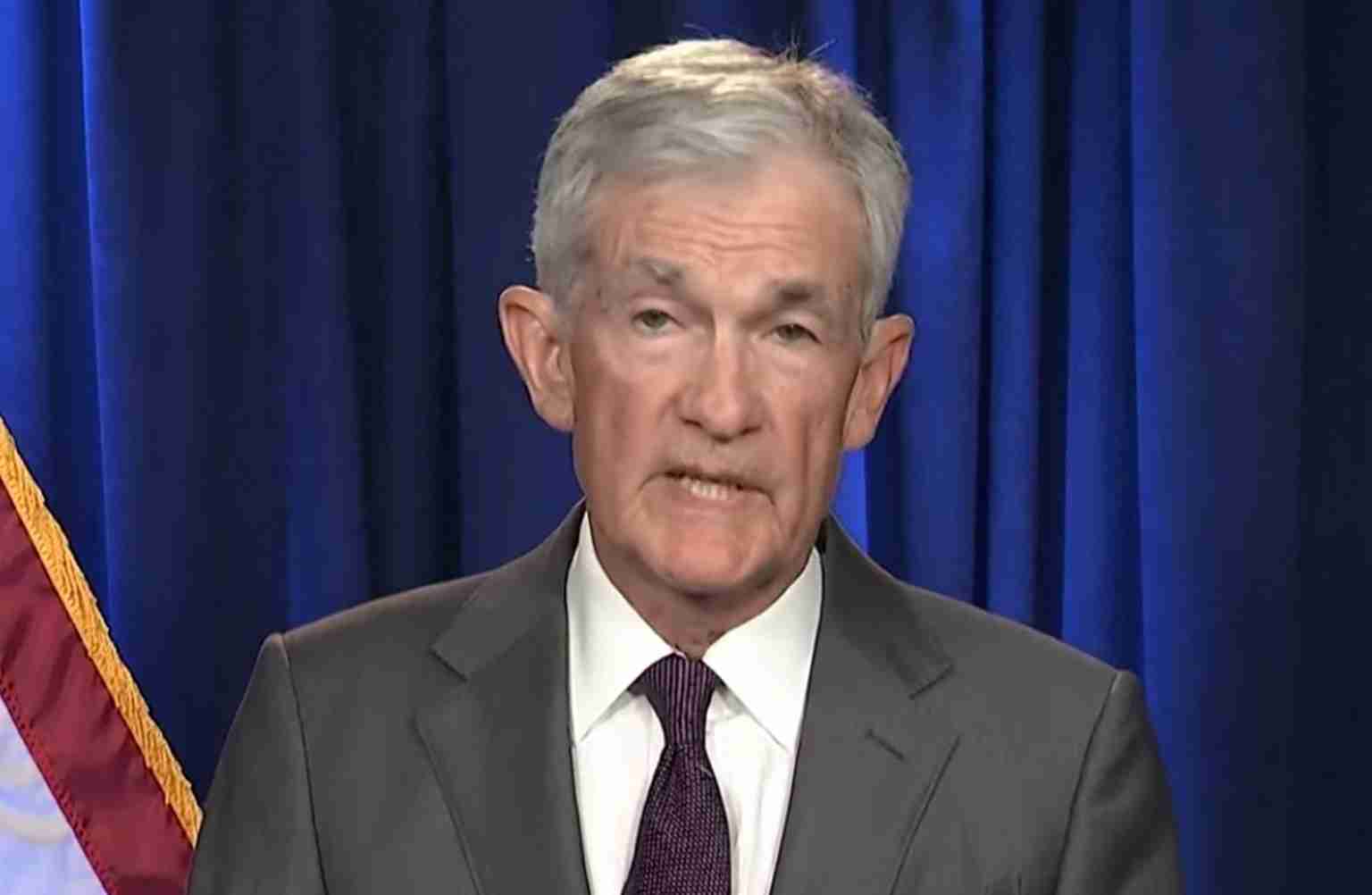
On Jan. 11, Powell issued a rare video statement confirming grand jury subpoenas and denying wrongdoing. He explained that overruns reflected unforeseen increases and said the investigation appears to be “a pretext to pressure the Fed to change policy.” Powell warned that using criminal probes to influence monetary policy would threaten an approach based on evidence rather than political pressure or intimidation. See his full statement at Federal Reserve: Chair Powell statement, Jan. 11, 2026.
Details about the Fed headquarters renovation
Early plans for the renovation included amenities such as a rooftop terrace, water fountains, private elevators and dining rooms. Powell testified that some amenities were later removed from the final plan. Critics — including Rep. Anna Paulina Luna (R-Fla.), who made a July criminal referral — argue Powell misled Congress about the project’s contents and cost. Fed officials counter that the plan will consolidate scattered operations, modernize security, and reduce long-term expenses. Sources: ABC News (report 1), ABC News Business (report 2).
Bipartisan defense from former Fed and Treasury officials
In a striking show of unity, former Fed chairs Alan Greenspan, Ben Bernanke and Janet Yellen, along with former Treasury secretaries Timothy Geithner and Henry Paulson and several former chairs of the Council of Economic Advisers, released a joint statement condemning the probe as an attack on the Fed’s institutional independence. The statement called the use of prosecutorial power to influence central bank policy “unprecedented” and dangerous. Source: ABC News Business.
Lawmakers weigh in
The probe has split lawmakers along institutional lines rather than strict party lines. Some Republicans criticized the action as a threat to Fed independence. Sen. Thom Tillis (R-N.C.) said the probe shows efforts to end central bank independence and vowed to block Trump’s Fed nominees until the issue is resolved. Sen. Lisa Murkowski (R-Alaska) called for Congressional investigation into DOJ actions. Senate Majority Leader John Thune (R-S.D.) urged careful assessment, saying allegations must be “real and serious.” Sources: Politico, Fox Business.
Democrats were sharply critical. Sen. Elizabeth Warren (D-Mass.) accused the White House of weaponizing the Justice Department to install a compliant leader at the Fed. Source: Fox Business.
White House and Trump statements
Former President Trump, who appointed Powell chair in 2017, has publicly criticized Powell for keeping interest rates higher than he favored and for renovation overruns. Trump toured the site in July wearing a hard hat and publicly compared cost figures — a confrontation in which Powell pushed back. Trump has denied involvement in DOJ’s decision and called Powell ineffective at both policy and building oversight. White House press secretary Karoline Leavitt said Trump supports Fed independence while defending his record of criticism. Sources: ABC News, ABC News Business.
How this could affect Fed policy and confirmations
Powell’s term as Fed chair ends in May 2026; he remains a member of the Board of Governors until 2028. The probe and political fallout have raised doubts among some Republicans about confirming Powell’s successor, at a time when Trump is pressing for quick interest-rate cuts. Senate fights over nominations could complicate Fed leadership at a pivotal economic moment. Source: ABC News, Politico.
Implications for United States
Economic impact
– Markets could react to perceived threats to Fed independence; investors dislike uncertainty about who sets monetary policy and how decisions are made.
– If political pressures force faster rate cuts, inflation risks could rise, undercutting long-term growth and savings for retirees and conservative investors who favor price stability.
Political consequences
– The probe prompted rare bipartisan defense of the Fed’s independence, signaling institutional alarm in Washington.
– Confirmation battles for the next Fed chair may intensify, delaying nominations and complicating future policy direction.
Social effects
– Public trust in government institutions could erode if prosecutors are perceived as political tools, affecting confidence in both the justice system and economic stewardship.
– Communities sensitive to inflation and interest-rate swings — including homeowners, savers and working families — may face higher costs if policy shifts become politicized.
Cultural relevance
The episode highlights a broader debate about the role of independent institutions versus political accountability; many moderates worry about weaponizing agencies for short-term political aims.
Practical applications for Americans
– Businesses and consumers should watch Fed communications and Capitol Hill developments closely; policy uncertainty can affect mortgages, loans and investment decisions.
– Financial planners and local governments may need contingency plans if market volatility increases or if policy shifts change borrowing costs.
Sources and further reading
- ABC News: DOJ launches criminal investigation into Fed Chair Jerome Powell
- ABC News Business: DOJ’s criminal probe of Fed Chair Powell
- Federal Reserve: Chair Powell statement, Jan. 11, 2026
- Politico: Coverage of congressional reaction
- Fox Business: Reporting on GOP reaction and broader fallout
Investigative avenues still open
Key details remain limited: the scope of grand jury subpoenas, the specific evidence sought, and whether investigators believe false testimony occurred are still unknown. How Congress responds — through oversight or legislation to protect Fed independence — will shape the next phase. Journalists will continue to follow DOJ filings, congressional hearings, and statements from current and former officials for new developments.



