
DOJ Opens Probe Into Handling of Adam Schiff Mortgage Case, Grand Jury in Maryland Examines Role of Trump-Appointed Officials
The Department of Justice has opened an internal probe and convened a Maryland grand jury to examine how a mortgage fraud referral involving Senator Adam Schiff was handled, focusing on potential improper influence by Trump-era officials and outside actors.
- Grand jury review: A federal grand jury in Maryland is examining whether the handling of the mortgage fraud referral was improperly influenced by officials, including Bill Pulte and Ed Martin.
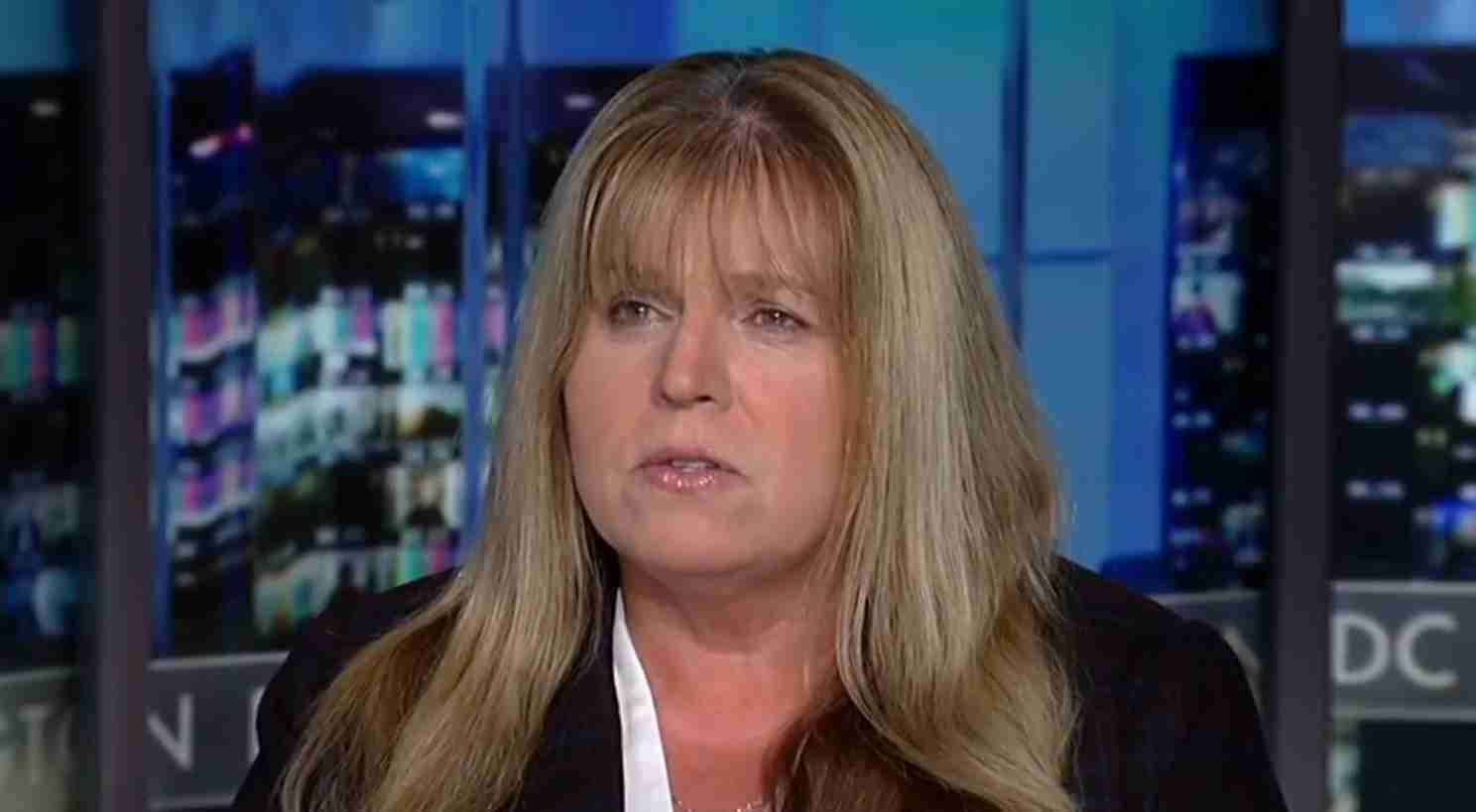
- Source of referral: California GOP candidate Christine Bish submitted the initial complaint to the FHFA; FHFA Director Bill Pulte referred it to the DOJ.
- Focus on process: Investigators are probing the integrity and motivations behind the investigation rather than primarily seeking to prove the underlying fraud allegations against Sen. Schiff.
- Potential implications: The inquiry raises rule-of-law and partisan-conduct concerns and could prompt internal policy changes at DOJ and FHFA.
What the DOJ is investigating
Federal prosecutors say the grand jury’s directive concentrates on the process that launched the probe rather than proof of mortgage fraud by Senator Adam Schiff. Investigators have requested communications, emails and telephone records and sought witness testimony to determine whether FHFA officials, DOJ staffers or outside individuals coordinated improperly.
Reporting on the development cites multiple outlets, including CBS News and Axios, which note the inquiry centers on potential political motivation and outside involvement rather than the underlying allegation itself.
Origin of the referral and key figures
The original complaint was filed by California Republican congressional candidate Christine Bish, who alleged mortgage fraud connected to Schiff’s Maryland home purchase and routed the matter to the Federal Housing Finance Agency (FHFA). FHFA Director Bill Pulte, a Trump appointee, referred Bish’s complaint to federal prosecutors. Reporting on those events includes coverage by CBS News and ABC News.
Investigators have questioned whether Pulte or DOJ official Ed Martin sought help from or coordinated with individuals outside the department, or whether partisan actors were presented as official partners in the matter.
Evidence and grand jury activity
Prosecutors have issued subpoenas and asked for document production and testimony. Sources say requests include telephone records, emails and witness interviews to determine whether conversations occurred between Bish and Pulte, Martin or others who may have acted or been portrayed as acting on behalf of the Justice Department.
Coverage of these investigative steps is reported by outlets including Investing.com and summarized in other outlets such as AOL News.
Why investigators shifted focus
Some prosecutors reportedly grew concerned about the strength of the mortgage fraud case — including questions about the statute of limitations and whether there was sufficient evidence to bring criminal charges. Those concerns led investigators to examine why the case was opened and whether political motives influenced the referral or investigation.
Schiff has denied any wrongdoing and has declined further comment as the inquiry proceeds, according to reports from CBS News and Axios.
Who the probe is scrutinizing
Reporting identifies two Trump-era appointees frequently referenced in the inquiry: Bill Pulte (FHFA) and Ed Martin (DOJ official). Both have been asked about their interactions with Bish and others tied to the complaint. Requests for comment to Pulte and Martin were reportedly ignored or unanswered at the time of reporting.
Investigators are also probing whether Pulte and Martin sought or accepted assistance from individuals not formally part of DOJ. Some reporting indicates referrals by Pulte implicated other prominent figures, though those referrals have not resulted in public charges.
Responses, legal context and implications
Senator Schiff’s office has described the original probe as politically motivated and unsupported by evidence.
The Justice Department has offered limited public comment while the internal inquiry and grand jury process continue. Legally, a grand jury at this stage reviews evidence to determine whether further action is warranted; in this case the focus is on the process used to open and pursue the investigation rather than determining guilt for any alleged underlying crime.
Potential implications include concerns about rule-of-law and impartiality, political fallout ahead of upcoming campaigns, institutional changes at DOJ and FHFA regarding referrals and contacts with outside actors, and possible collateral outcomes (referrals, resignations or policy changes) even if no new criminal charges are filed.
Procedural context and standards
A grand jury’s role is to review the facts and decide whether they warrant additional action. Here, reporting indicates prosecutors have been “struggling to identify a viable case” against Schiff, which helps explain the investigation of those who handled the matter rather than continued pursuit of fraud charges.
The investigation’s emphasis on process reflects standard practice when prosecutors suspect potential improper influence or misconduct within the department itself.
Reporting and sources
Major outlets and referenced reporting include: CBS News, Axios, Investing.com, ABC News, AOL News, YouTube segments referenced at VH0v3v-k4y8 and rX2oH7n4YxQ, and an overview at Arab News.
Ongoing coverage
Reporting on this story is ongoing. The DOJ’s internal inquiry and the Maryland grand jury’s review remain active as investigators gather records and witness statements. Updates will follow as grand jury proceedings and DOJ actions develop.



