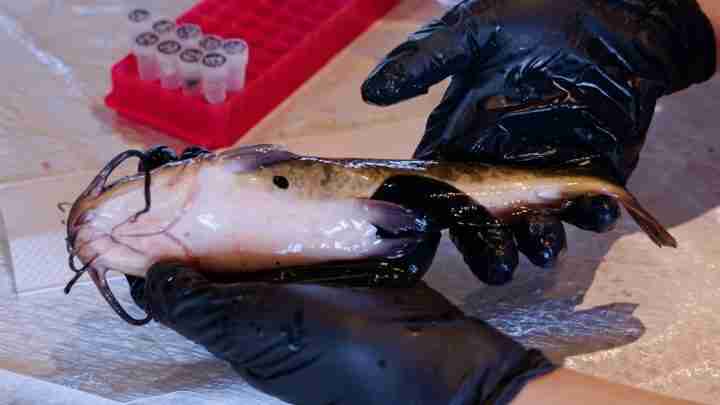
Chewing gum flu test: edible sensor may let you “taste” influenza before symptoms start
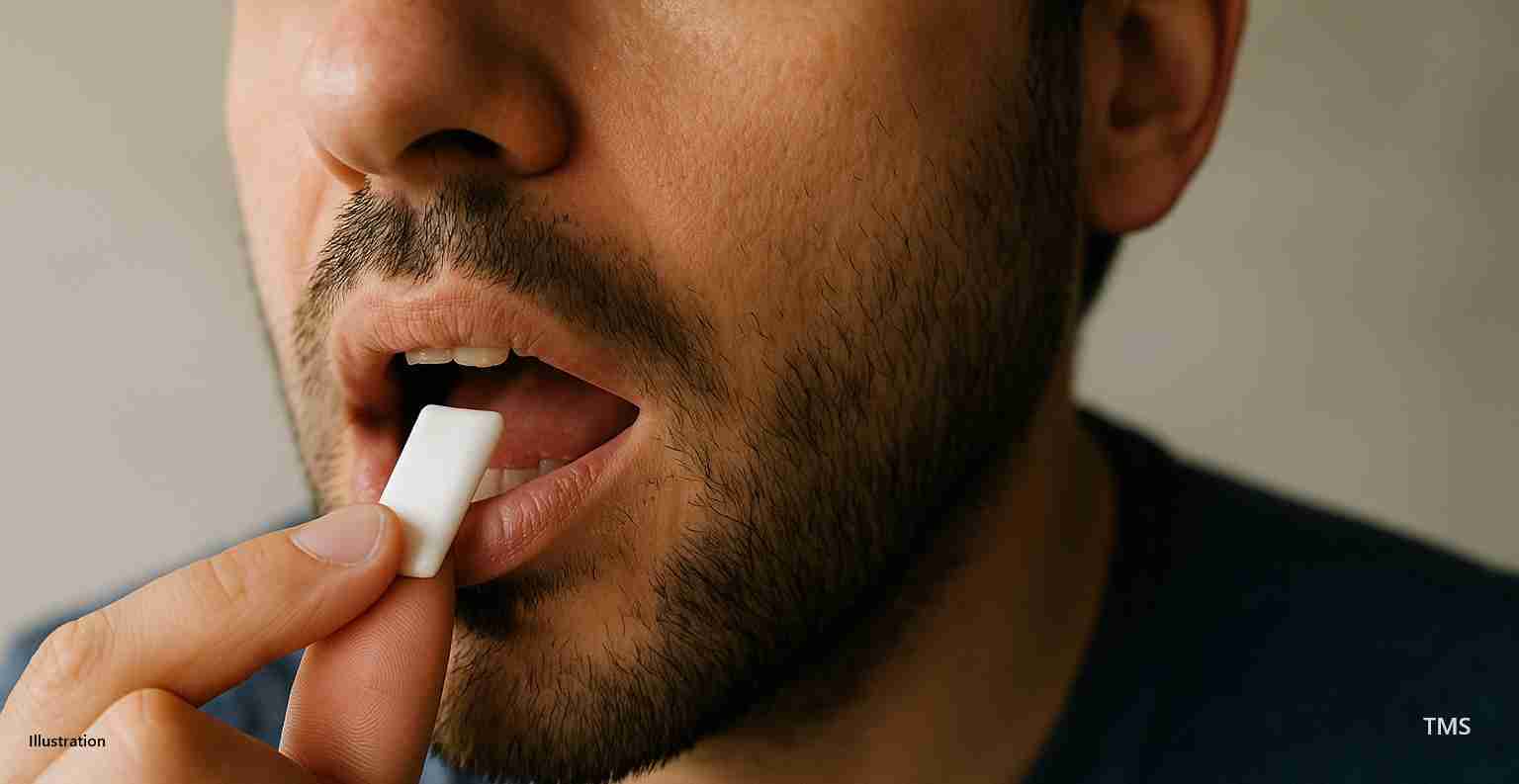
German researchers have developed an experimental edible flu test—chewing gum, lozenge or film—that releases a thyme-derived flavor when it detects the virus in saliva, potentially signaling infection before symptoms and enabling earlier, rapid at-home screening.
Key takeaways
- What: An experimental edible flu test (chewing gum, lozenge or film) that produces a strong herbal taste if influenza is present.
- How: A molecular sensor reacts to the virus enzyme neuraminidase and frees thymol, a thyme-derived compound that tastes herbal.
- Speed & status: In lab saliva tests thymol appeared within ~30 minutes; tested in vitro only, human trials are planned in roughly two years.
- Limitations: Accuracy, sensitivity and real-world performance remain unproven; not commercially available or FDA-cleared.
How the chewing gum flu test works
Researchers designed a tiny, enzyme-activated molecular sensor embedded in an edible carrier — such as chewing gum, a lozenge or a dissolvable film. The sensor is tuned to react to neuraminidase, the viral enzyme known as the “N” in strains like H1N1. When neuraminidase cleaves the sensor, it releases thymol, a natural compound found in thyme with a strong herbal taste. If thymol reaches taste receptors on the tongue, the user senses a herbal flavor — an intuitive signal that influenza activity may be present in the mouth or saliva.
Laboratory results and safety signals
In controlled lab experiments the team exposed the sensor to saliva samples known to contain influenza and report that thymol was produced and detectable within about 30 minutes. Virus-free saliva did not trigger thymol release. The researchers also tested the sensor on human and mouse cells in vitro and observed no harm to cell viability or function, suggesting short-term oral safety in lab settings. These are early, preclinical results and do not replace human trials.
Why researchers see promise in a taste-based test
Current rapid antigen tests can miss low viral loads or pre-symptomatic infections. A low-cost, easy-to-use edible test that signals infection via taste could:
- Provide a device-free, immediate cue to isolate or seek care.
- Be manufactured and distributed widely, including in resource-limited settings.
- Detect virus activity in saliva rather than relying solely on nasal swabs.
How accurate is a taste signal likely to be?
That remains the central open question. Lab data show the sensor responds to neuraminidase in saliva, but researchers must demonstrate sensitivity (true positives) and specificity (avoiding false positives) in live people. Real-world mouths vary by pH, recent foods, toothpaste, smoking, dental conditions and microbiomes — all of which could affect chemical reactions or taste perception. Rigorous human trials are essential before recommending use for decision-making.
Development timeline and regulatory path
Planned human trials: The team aims to start human clinical trials in roughly two years to test whether pre-symptomatic and symptomatic infections reliably trigger a detectable taste. If trials succeed, larger studies across age groups and conditions will be needed to satisfy regulators. Classification (OTC self-test, medical device, or other) will shape the approval pathway; regulatory review could take several more years.
Other reporting and expert reaction
Science and popular outlets have highlighted the creativity of a thymol-based taste signal while emphasizing caveats. Reporters note potential broader applications — tailoring similar sensors to other pathogens by targeting unique enzymes — but stress that lab promise does not equal real-world reliability. Independent validation and peer review will be vital.
Potential benefits for everyday Americans
If proven reliable, an edible flu test could change routine behavior during flu season: quick self-checks before school, work or gatherings; earlier isolation or medical advice; and faster antiviral starts for at-risk patients. Employers, schools and rural clinics might use a simple screening tool to reduce outbreaks without invasive swabs, potentially lowering lost workdays and easing burdens on labs.
Challenges and questions ahead
Key unanswered questions include:
- Will food, toothpaste, smoking or oral habits produce false signals or mask taste?
- Can the sensor detect multiple influenza strains without cross-reacting with other respiratory viruses?
- How will manufacturers ensure consistent flavor release across production batches?
- How will regulators classify a product that is both edible and diagnostic?
Implications for United States of America
A validated edible flu test could support public health by enabling earlier outbreak detection, informing targeted messaging, and prompting timely clinical follow-up. Policymakers would need to set labeling and accuracy standards to avoid misuse or false reassurance. Even if the concept advances, Americans should understand it would not replace vaccines, hygiene, or medical testing where appropriate.
Sources and further reading
Reporting and primary materials cited in this article:
- American Chemical Society press release: “A step toward diagnosing the flu with your tongue”
- Fox News: “Chewing gum flu test could detect virus through flavor before symptoms strike”
- AOL coverage: “Chewing gum flu test could detect virus through flavor”
- CLP Magazine: “Taste-based flu detection technology shows promise in lab tests”
- LabMedica: “Taste-based influenza test could replace nasal swabs with chewing gum”
- Inside Precision Medicine: “Flu test detects virus through herby taste”
Reporting note: This article preserves the original experimental details and source links. The edible sensor has only been tested in laboratory saliva samples and cell assays; human clinical trials are planned but not yet conducted.