Washington Post Rebukes Elizabeth Warren for Blaming Trump in YouTube TV ‘Monday Night Football’ Blackout
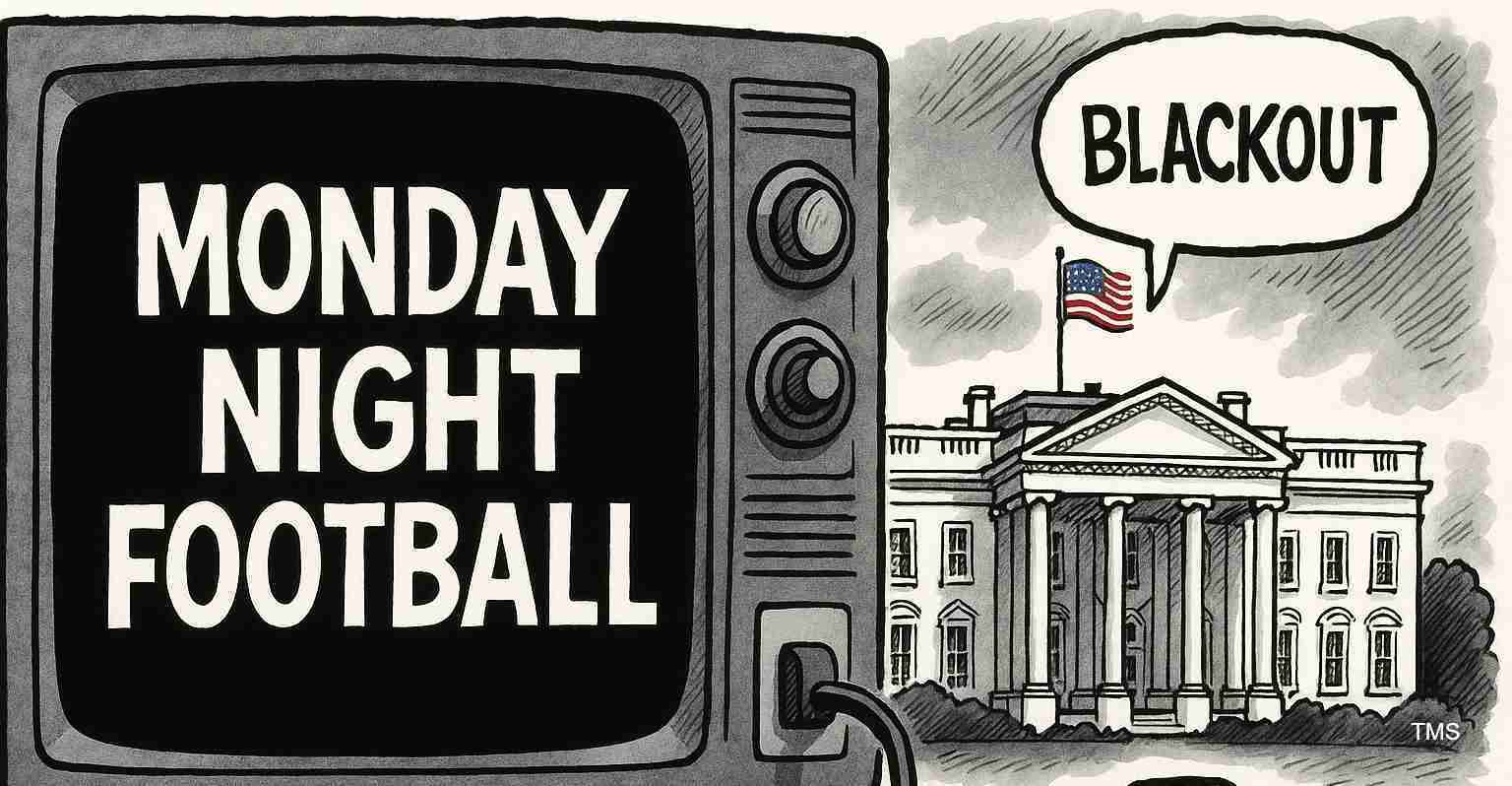
Sen. Elizabeth Warren blamed a YouTube TV blackout of Disney channels during Monday Night Football on Trump-era antitrust laxity, drawing a sharp rebuke from the Washington Post, which called the incident a routine private carriage dispute.
Key takeaways
- Warren tied the blackout to perceived lax antitrust enforcement under the Trump administration, using the disruption to spotlight media consolidation concerns.
- The Washington Post pushed back, framing the episode as a private carriage dispute over fees between Disney and YouTube TV rather than a direct government action.
- Industry observers call these blackouts routine negotiation tactics; government intervention typically requires evidence of clear anti‑competitive conduct.
- Primary source: Video evidence of the remarks and commentary is publicly available for review.
Main content
What Warren said
Senator Elizabeth Warren argued that a business environment shaped by inadequate antitrust enforcement allowed large media companies to gain outsized power over consumers. In a public remarks clip she asked,
“What’s Trump done about it? He’s let them get away with it.”
She tied the Disney–YouTube TV carriage fight to broader concerns about corporate concentration and consumer choice.
(Source: video of Warren remarks)
Washington Post criticism
The Washington Post editorial board pushed back, calling Warren’s framing misleading. The Post described the blackout as the result of a private carriage dispute over fees between Disney (which owns ESPN) and Google’s YouTube TV, urging caution before attributing routine industry fights to any single administration or policy.
(Source: Washington Post criticism as cited in media clip)
Industry context: media carriage dispute
Carriage disputes are common in the pay‑television business. Content owners like Disney negotiate licensing agreements with distributors such as cable operators and streaming services. When talks stall, channels can be pulled to pressure the other side — a tactic that becomes more visible when marquee events like NFL games are interrupted.
Experts say these are typically private‑contract matters; antitrust or regulatory action generally follows only when there is evidence of market‑level anti‑competitive conduct or harm. (Source: industry context cited in video)
Political and media reaction
Responses split along political and interpretive lines. Critics argued Warren conflated private negotiation with public policy, while supporters said the blackout illustrates why stronger antitrust scrutiny of media and tech consolidation matters. Media outlets and commentators quickly weighed in, with several labeling Warren’s claim an overreach.
Where the facts sit
- Immediate cause: A failed carriage agreement between Disney and YouTube TV over licensing fees and terms — a private contract negotiation, not a government action. (Source: video of Warren remarks)
- Link to antitrust policy: Tying the blackout directly to past antitrust enforcement requires additional evidence showing government inaction enabled specific anti‑competitive behavior.
- Broader debate: The episode underscores longer‑running disagreements about whether stronger antitrust enforcement is needed to address consolidation in media and tech.
Reporting and source notes
This account draws on Senator Warren’s public remarks and the Washington Post’s editorial response. Journalists would need to review contracts or communications between Disney and YouTube TV to establish any direct policy link. The primary public clip is available here: video clip containing Senator Warren’s remarks and Washington Post editorial commentary.
Implications for United States
Economic impact. Short‑term costs hit viewers, advertisers and distributors — missed live games, subscription erosion, lost ad revenue. Repeated disputes can shift consumer behavior toward alternative platforms and affect local advertising markets.
Political consequences. Private business fights can become political flashpoints. On a moderate‑conservative audience, the key takeaway is caution about using routine market disputes as political blame without clear evidence, while still considering targeted antitrust scrutiny backed by proof.
Social effects. Blackouts during marquee sports events heighten frustration and distrust of large media and streaming firms; the visibility of such incidents makes them effective political and media talking points.
Cultural relevance. Sports broadcasts like Monday Night Football are culturally significant; interruptions draw outsized attention and can influence broader perceptions of corporate behavior.
Practical applications for viewers. Consumers should contact providers for updates and credits, consider alternative streaming or antenna options, and be aware of single‑game streaming choices where available.
Policy implications. The dispute reinforces the debate over antitrust enforcement and consolidation. For many readers, the preferred approach is targeted, evidence‑based investigations and clearer consumer protections or disclosure rules around carriage negotiations.