
DOJ releases vast Epstein photo troves to public under new transparency law
The Justice Department and House Oversight have published thousands of Epstein-related records under the Epstein Files Transparency Act, including property photos, personal images and tens of thousands of investigative pages in a public “Epstein Library” repository.
- Legislation mandated public posting: Congress required DOJ to publish Epstein-related files with limited redactions under the Epstein Files Transparency Act (H.R. 4405).
- Massive releases online: DOJ’s DOJ Epstein Library and the House Oversight Committee posted large sets of scanned documents, photos and investigative records.
- Protections applied: DOJ says it redacted victim-identifying information and withheld child sexual abuse material while aiming for statutory transparency.
Legal and procedural context
Congress moved quickly after years of public interest and litigation over which government files existed in the Epstein matter. The Epstein Files Transparency Act (H.R. 4405) — passed on Nov. 19, 2025 — directed the Attorney General to publish Epstein-related files within a statutory window, allowing only narrowly defined redactions to protect victims and ongoing probes.
DOJ described the logistical scale: reviewers processed near 100,000 pages and hundreds of gigabytes of electronic evidence, redeploying teams of attorneys and counterintelligence specialists to review materials and apply required redactions before staged public releases.
The DOJ “Epstein Library” and Oversight releases
The Justice Department created a public-facing Epstein Library page linking to documents and images made available under the new law. The House Oversight Committee independently published a large set of records it received via subpoena and said it will continue rolling releases.
DOJ statement: the agency performed “reasonable efforts” to remove or redact personally identifying information for victims and to block any child sexual abuse material while complying with the statute’s transparency goals.
A DOJ Office of Public Affairs memorandum outlining the redaction priorities and scope is publicly available as a companion to the postings. See the DOJ Office of Public Affairs memorandum.
What’s in the released image sets
Public descriptions and the posted indexes indicate three broad content categories consistent with FBI evidence inventories:
- Property images: thousands of photos documenting interiors and exteriors of properties linked to Epstein, including his Manhattan residence and Little St. James — appearing as evidence photo inventories consistent with search-and-seizure documentation.
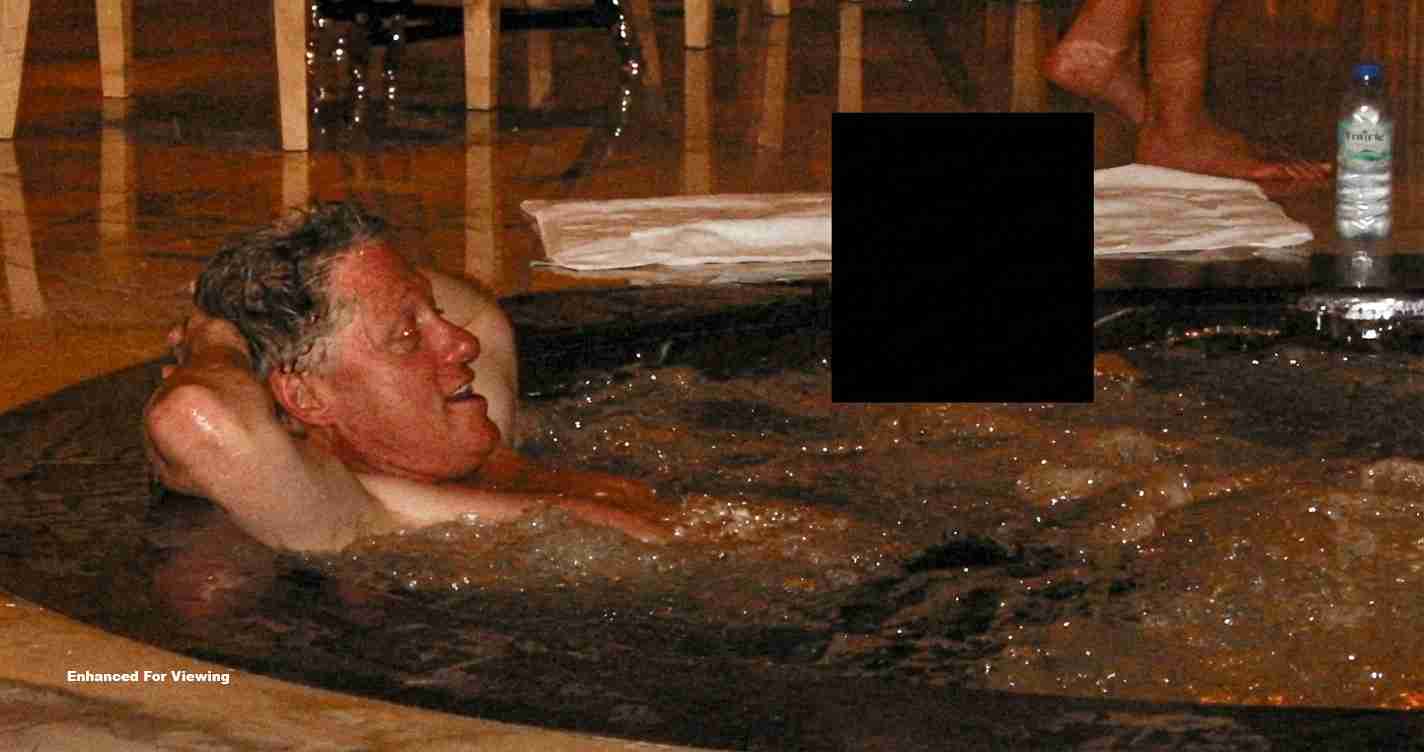
- Personal photos: informal images of Jeffrey Epstein — shirtless, aboard boats or aircraft, and in social settings — plus numerous photos of his social circle. Media reviewers noted images that appear to show Epstein with public figures, although DOJ summaries do not provide exhaustive, item-by-item naming.
- Investigative records: tens of thousands of scanned pages: interview notes, reports, correspondence and case files. The House Oversight Committee released more than 33,000 pages it received from DOJ.
Note: observers have described the downloads as discrete “data sets” (property photos, personal photos, investigative documents). DOJ’s public descriptions focus on content types rather than numbered dataset labels.
How the “data set” labels arose — and limits of official summaries
Newsrooms that downloaded the files organized material into numbered batches for practical review; that packaging appears to reflect how DOJ made files available for download. However, official DOJ statements generally describe the releases by content type, not by media-assigned “data set 1/2/3/4” language. When specific claims identify named public figures in given batches, authoritative confirmation requires direct inspection of the posted files or verification by newsrooms that examined them.
Redactions and limits on what the public will see
DOJ emphasized victims’ privacy and statutory limits on releasing certain evidence. Expect to find:
- Blurring or blacking out faces and names of non-consenting victims.
- Items indexed or described but not fully viewable due to withheld sensitive content.
- Withheld material that could interfere with ongoing or related investigative activities.
These protections explain why some public claims about the contents of particular images or documents require careful verification. See DOJ’s public statements on redaction priorities in the DOJ Office of Public Affairs memorandum.
What remains uncertain and how to verify specific claims
Confirmed by official summaries: the breadth and type of material released — property photographs, personal images of Epstein, and huge volumes of investigative records. Less clear from high-level DOJ statements: an itemized roll call of every public figure appearing in photos or an official mapping of media “data set” labels to DOJ’s internal inventory.
To verify specifics, researchers and reporters should:
- Consult the DOJ Epstein Library and download image sets and indexes.
- Review the House Oversight Committee’s public posting and document lists at the Oversight release.
- Compare findings with reputable newsroom investigations that independently examined and authenticated files.
Implications for the United States
Rule-of-law and transparency: For advocates of reduced government secrecy, the Act and DOJ postings test whether transparency and victim protections can be balanced — potentially setting a precedent for future federal releases.
Political consequences: Publication of materials touching high-profile individuals will spur renewed scrutiny, political debate and pressure for further investigations. Responsible, evidence-based reporting is crucial to avoid trial-by-publicity while protecting victims’ rights.
Law enforcement practice and victim protection: The scale and redactions highlight practical and ethical challenges for federal agencies releasing voluminous evidence containing victim information; DOJ’s approach may influence future policy.
Newsrooms’ workload: Reporters must authenticate and contextualize material — a resource-intensive task requiring visual verification to avoid misidentification.
Practical effects for citizens: Individuals can access records directly, but many readers will depend on vetted reporting to understand what the releases do — and do not — show.



