
Jake Tapper Issues On-Air Correction After Misidentifying D.C. Pipe Bomb Suspect; Arrest Linked to Reanalysis of Old FBI Evidence
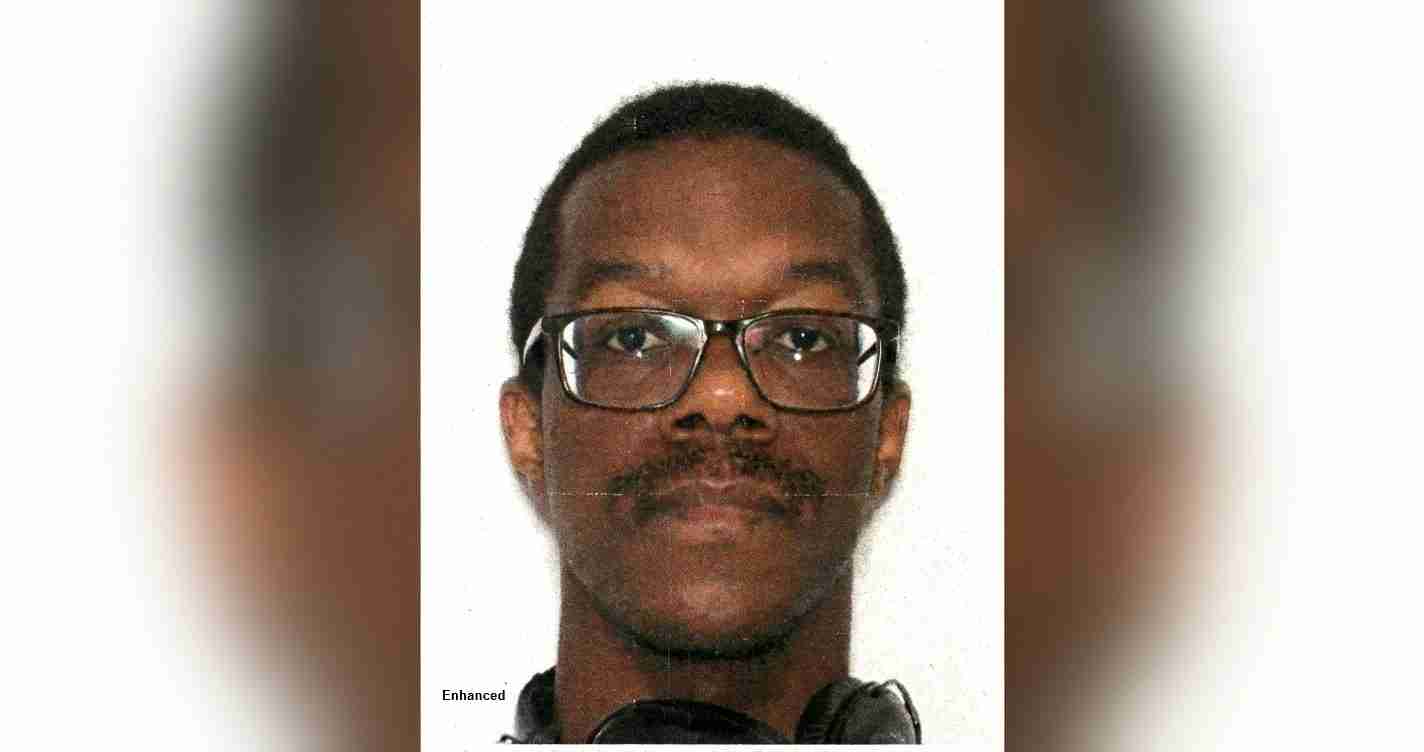
CNN anchor Jake Tapper apologized on air after describing pipe bomb suspect Brian Cole Jr. as “a 30‑year‑old white man” during a live segment, then correcting himself when images showed Cole is Black; Cole faces federal charges.
- On-air error and prompt apology: Jake Tapper initially misidentified Brian Cole Jr.’s race on live television and immediately corrected the remark, apologizing on air. See the CNN segment video and a Fox News clip.
- Arrest and federal charges: Brian Cole Jr., 30, was arrested in Woodbridge, Virginia, and charged with transporting explosive devices in interstate commerce and malicious destruction by means of an explosive.
- Investigation basis: Officials say the arrest resulted from re‑analysis of previously collected FBI evidence and long‑term investigative work, not a new external tip.
- Broader concerns: The episode spotlights newsroom accuracy in fast‑breaking coverage and the continuing forensic work that can solve cold or long‑running cases.
The on-air error and Tapper’s response
During a live broadcast of CNN’s The Lead, anchor Jake Tapper described the suspect, Brian Cole Jr., as “a 30‑year‑old white man” moments before the network showed a photograph that clearly showed Cole is Black. Tapper immediately corrected the record and apologized on air.
Tapper acknowledged the error and emphasized that the factual image on screen contradicted his verbal description.
Video of the exchange highlights how quickly details can be misstated in live television. The incident prompted widespread attention on social media and among viewers, and it underscores the pressure of live news production where verification must keep pace with breaking updates. For reference, view the CNN segment video and a related Fox News clip.
The arrest and charges
Authorities arrested Brian Cole Jr., 30, in Woodbridge, Virginia, nearly five years after pipe bombs were placed outside the Republican National Committee and Democratic National Committee headquarters on January 5, 2021. Federal prosecutors charged him with:
- Transporting an explosive device in interstate commerce
- Malicious destruction by means of an explosive
Investigators say the devices were placed the night before the January 6, 2021 Capitol riot. The charges invoke serious federal statutes that carry significant penalties if Cole is convicted. Officials emphasize the arrest resulted from methodical investigative work and forensic analysis rather than a newly reported tip.
Investigation timeline and federal statements
Justice Department and FBI officials stated the arrest was the product of sustained investigative efforts and internal re‑analysis of evidence developed earlier in the probe. Leaders from the Bureau and partner agencies — including ATF, Capitol Police, and the Metropolitan Police Department — described coordination across agencies.
Officials made a point of saying no new external tip led directly to the arrest; instead, renewed analytical work on previously collected materials produced results. That framing seeks to counter narratives suggesting a sudden, politically motivated breakthrough prompted the development.
Media accuracy and public trust
Tapper’s misidentification followed by a prompt correction underscores broader challenges for newsroom accuracy in fast‑moving coverage. For many viewers, even quickly corrected mistakes can erode trust. The episode is likely to renew internal conversations about verification procedures during live segments.
Best‑practice response: acknowledge the error, correct it transparently, and allow the documented record to reflect accurate facts — a standard Tapper followed in this instance.
Legal context and presumption of innocence
Legal experts note that an arrest and federal charges do not equal guilt. Brian Cole Jr. is entitled to due process and the opportunity to respond in court. Prosecutors must prove charges beyond a reasonable doubt, and precise, measured reporting is crucial to avoid prejudicing public opinion before legal proceedings play out.
Officials’ emphasis: no new tip, evidence re‑analyzed
Federal leaders reiterated that the arrest came from internal re‑examination of evidence and analytical work on materials collected during earlier phases of the investigation. That point was repeatedly stressed to counter claims that a late tip or leadership change triggered a sudden breakthrough.
For lawmakers and security professionals, this description illustrates how cold‑case analysis and persistent forensic work can yield results years after initial evidence collection.
Political context and national security questions
The placement of explosive devices outside both major party headquarters heightened national security concerns surrounding the January 6 period. The arrest renews attention to preventive measures for political institutions and to the investigative practices used to resolve politically sensitive crimes.
Officials’ insistence that no new tip prompted the arrest may reduce partisan speculation about timing, but oversight and questions about evidence processing and prioritization are likely to follow in congressional and public forums.
Implications for United States
Economic impact: The arrest is unlikely to have a direct economic effect, though perceptions of political stability and security can influence business and investor confidence.
Political consequences: The case is expected to surface in hearings and debates as lawmakers examine agency responses to politically motivated threats and the timeline of investigative actions.
Social and cultural effects: Public reactions will vary; some will see the arrest as long‑delayed justice, while others will scrutinize law enforcement processes and media accuracy. Misidentification incidents like Tapper’s feed conversations on race, reporting fairness, and institutional accountability.
Practically, the episode reminds citizens of the importance of proper reporting channels for suspicious activity and the public’s need to seek corrections when media errors occur.



