
New Orleans leaders blast New Orleans immigration crackdown as “Operation Katahula Crunch” detains workers, fuels fear
New Orleans is confronting a sprawling federal immigration sweep, “Operation Katahula Crunch,” led by DHS, ICE and Border Patrol — a campaign planned for thousands of arrests that local leaders say has produced indiscriminate detentions, fear and economic harm.
Key takeaways
- Operation scope: Planning documents indicate a target of up to 5,000 arrests across southeast Louisiana and into Mississippi — raising serious questions about scale and oversight. (WABE analysis)
- On-the-ground tactics: High‑visibility Border Patrol sweeps have detained workers in parking lots and on job sites, with community leaders reporting stops of people with work permits and U.S. citizens. (video coverage)
- Civil‑rights concerns: Mayor‑elect Helena Moreno and local advocates demand transparency about targeting criteria and detention conditions amid reports of mistaken or improper detentions. (AILA roundup)
Operation at a glance
Operation Katahula Crunch is a coordinated interior enforcement campaign led by DHS components — ICE and Border Patrol — described by federal officials as focused on undocumented immigrants accused of serious crimes. Federal statements emphasize removals of dangerous offenders, while planning materials and local reporting suggest a much broader operational footprint.
Planning documents indicate a target of up to 5,000 arrests across southeast Louisiana and into Mississippi. Read the WABE analysis for details.
How the operation is being carried out on the ground
Federal agents have carried out visible, high‑visibility sweeps across the New Orleans metro area. Reporters captured Border Patrol teams moving in groups to public places such as store parking lots and day‑labor pickup sites, and conducting arrests on work sites. See local video coverage of agents detaining workers in public spaces.
Footage and eyewitness accounts show agents pulling workers off roofs while they worked, and workers in parking lots left behind cars, bikes, tools and other personal property in the wake of arrests. Local reports describe masked teams sweeping neighborhoods and public spaces — a tactic community members say has produced widespread fear.
Officials maintain agents are focused on individuals with serious criminal records, but advocates and witnesses say many stopped appear to be day laborers or low‑profile workers with no serious criminal history. Questions remain about field selection criteria and the number of people without criminal records who have been detained. See WABE’s review of the planning target.
New Orleans leaders’ backlash and civil‑rights concerns
Mayor‑elect Helena Moreno has publicly pressed federal agencies for details about who is being targeted, what criteria are used at the street level, and how many people with no criminal history or with legal work authorization have been detained or questioned. (AILA digest)
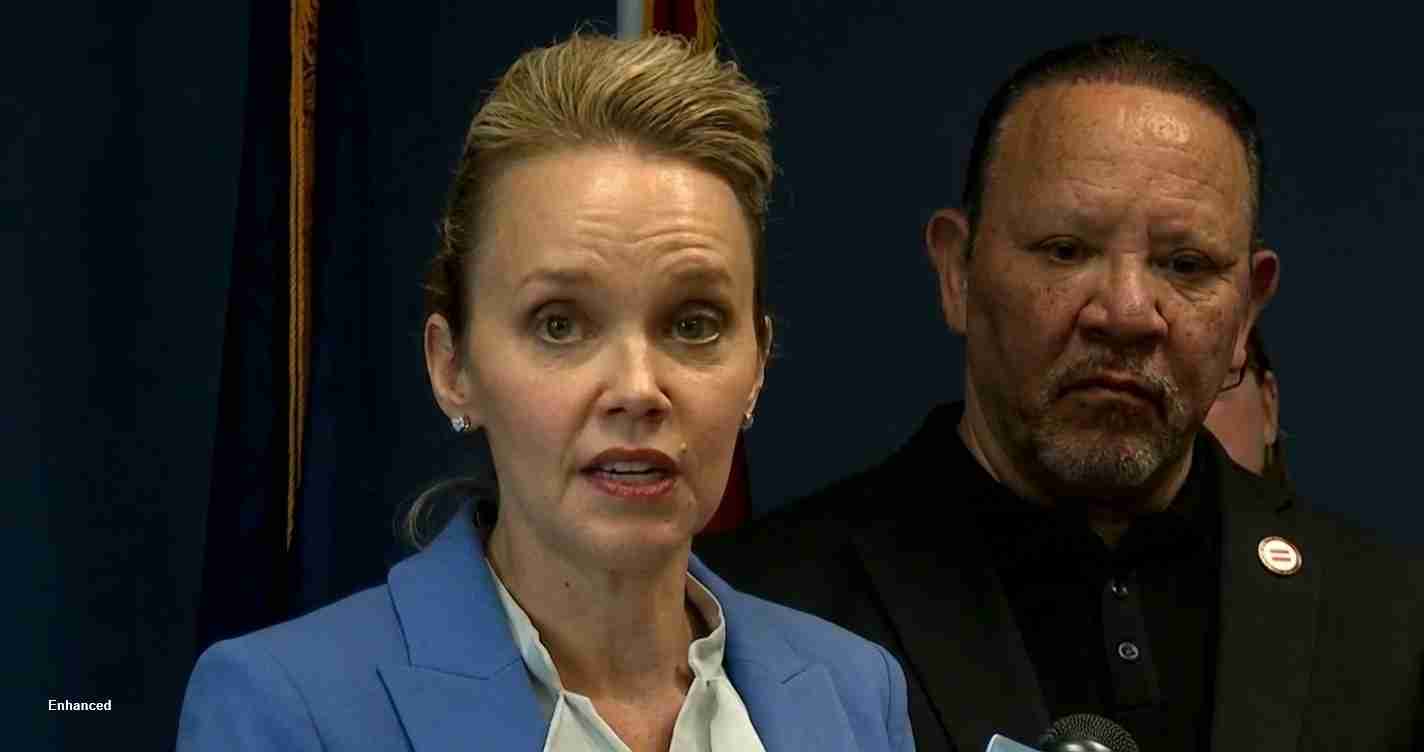
“The city needs transparency so residents can understand the operation and ensure civil rights are protected,” Moreno said as she demanded answers about stops of people with work permits and U.S. citizens.
Community groups, faith leaders, and immigrant‑rights organizations have set up legal hotlines and support events. They report that people with work permits, temporary protections or even U.S. citizenship have been stopped, and some detainees were held in conditions community groups describe as harsh or inhumane. See related video reporting.
Local officials question whether deploying a large federal force in communities that are overwhelmingly U.S. citizens yields meaningful public‑safety benefits, and they say the operation has caused fear that keeps people from work, harming small businesses that rely on immigrant labor. (WABE analysis)
National reporting and broader policy context
National outlets have placed New Orleans within a larger pattern of intensified interior enforcement. Reporting links New Orleans to multi‑city operations that include other metropolitan areas and notes the expanded use of Border Patrol agents far from the border. For an overview, see the AILA digest summarizing NPR, NBC and other coverage.
Supporters of the operation frame it as a law‑and‑order measure aimed at removing dangerous criminals. Federal officials have publicly tied the campaign to concerns about certain local immigration policies and argued that interior enforcement is necessary for public safety.
Comparisons with Minneapolis and other cities
Similar enforcement drives have occurred elsewhere. In Minneapolis, an operation that focused on specific immigrant communities prompted local leaders to restrict federal use of city properties for enforcement staging. Officials there made clear they could not block lawful federal arrests but would enforce local rules on city property. New Orleans officials are monitoring other cities’ responses as they weigh options to limit federal staging on municipal property without obstructing federal law enforcement. (local video)
State‑level response and security framing
Louisiana’s governor has publicly supported the operation as a crime‑fighting measure and announced plans for National Guard deployments in the state and New Orleans ahead of the holidays to “help tackle crime,” a decision that would increase uniformed security presence in neighborhoods where raids have occurred. (video report)
DHS leadership has linked the operation to local immigration policies it deems permissive, framing the campaign as necessary to remove individuals the administration considers threats to public safety.
Key unresolved questions
Journalists and local officials say several issues remain unanswered:
- How many people have been detained or questioned in New Orleans, and what are their immigration and criminal histories? (WWL‑TV did not provide a complete total beyond a small number cited in an ICE release; see WWL‑TV coverage and WABE analysis.)
- What standards are agents using on the street to decide whom to stop and detain?
- Were people with legal status, including work permits and temporary protections, improperly detained?
- What were detention conditions and use‑of‑force protocols during the sweeps?
- Will the federal government pursue the 5,000‑arrest planning target across southeast Louisiana and Mississippi, or scale back amid local pushback and legal risk? (WABE)
Implications
Public‑safety vs. civil‑liberties: The operation underscores national debates about interior enforcement — whether federal resources are focused efficiently and whether enforcement respects due process. For many moderates, the campaign raises concerns about government overreach and civil‑liberties protections.
Economic impacts: Sweeps that remove workers from job sites can disrupt local services and supply chains. Small businesses dependent on immigrant labor report lost hours, canceled jobs and customers staying away out of fear. (WABE analysis)
Local‑federal relations and legal fallout: High‑visibility raids may provoke lawsuits, injunctions or local rules limiting federal staging on city property, forcing political and legal debates at state and national levels.
Community trust: Intensive raids risk eroding trust between immigrant communities and local institutions, which can make neighborhoods less safe if victims and witnesses avoid contact with authorities.
Sources and reporting
This article draws on local and national reporting and on official planning materials, including WWL‑TV coverage and footage, an analysis by WABE on the reported 5,000‑arrest planning target, and a national immigration news digest compiled by the American Immigration Lawyers Association (AILA). Additional national coverage referenced in that digest includes reporting from NPR and NBC.


