
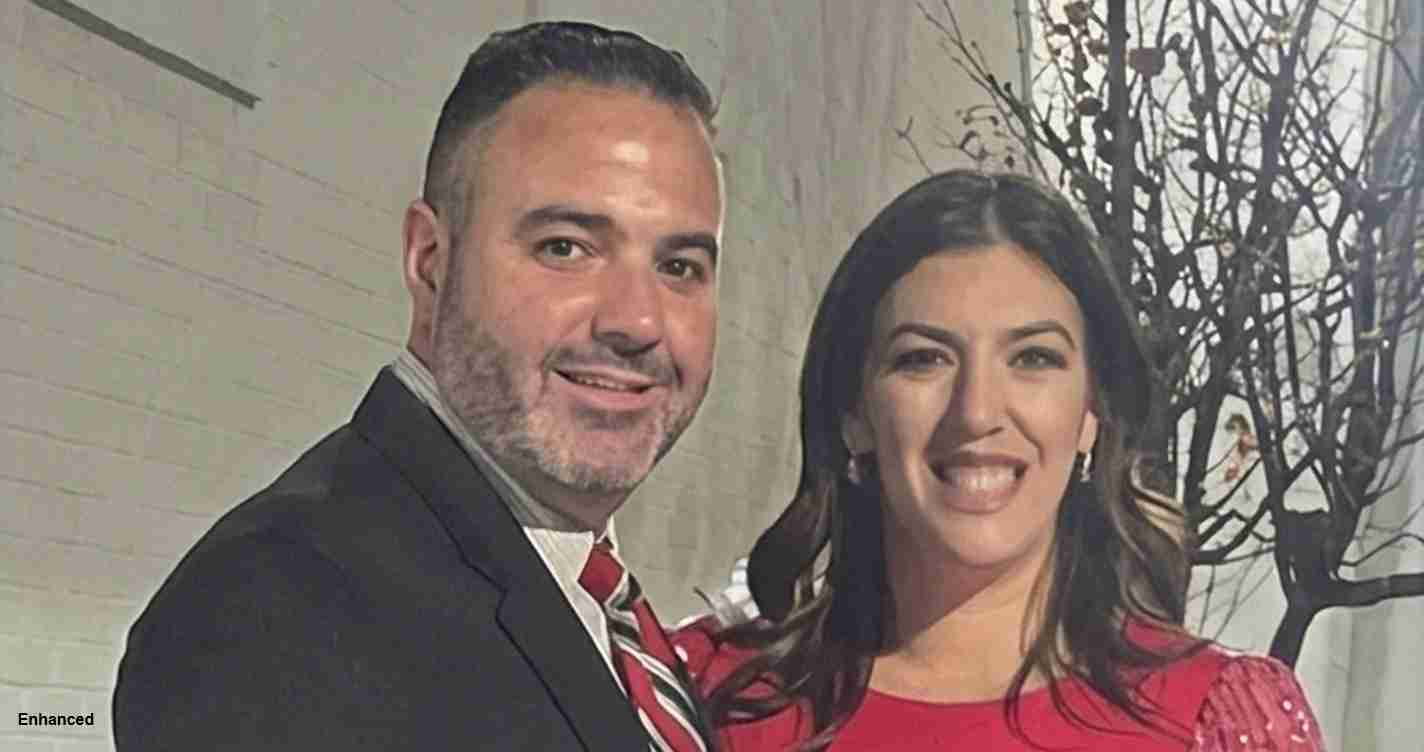
New Jersey ‘MAGA mom’ says she was targeted in ‘vile’ group texts: “They wanted me dead”
Danielle Bellomo, a Marlboro Township school board member, says she was targeted with threatening, sexualized and death‑wish messages in a group chat, prompting a temporary protective order, local outrage, nationwide debate over prosecutorial discretion.
Key takeaways
- Disturbing texts: Bellomo alleges the group chat titled “This B—- Needs to Die” included messages saying she “can’t die soon enough” and that it was a “mission to just let her die by herself lol.” Fox News
- Person linked: Messages have been linked to Mitesh Gandhi, the husband of another Marlboro Township school board member; a judge extended a temporary protective order against him. Fox News
- No criminal charges: Police recommended charges, but the Monmouth County Prosecutor’s Office declined to file; Bellomo and supporters criticized that decision. AOL News
- Broader fallout: The scandal drew national attention, prompted public outrage, and led some candidates tied to the chat to withdraw from the school board race. Patch • WJR
Allegations and content of the texts
Danielle Bellomo, a vocal advocate for parental rights on the Marlboro Township school board, says the messages were more than political rhetoric — they contained explicit threats and sexualized insults. Copies presented in court and described to reporters show the chat used derogatory language and referenced Bellomo’s appearance at public meetings.
One message — reported locally as part of a controversy labeled “Nipplegate” — reportedly read, “Bellomo must be cold — her nips could cut glass right n,” and circulated alongside a photo allegedly taken of a candidate’s phone during a board meeting. Bellomo and her supporters have called the content traumatic. She said the messages expressed a desire for her death. Fox News
“They wanted me dead,” Bellomo told reporters, describing the effect on her family and the way her eldest son was affected after friends saw the lewd posts circulating online.
Legal steps and the protective order
After Bellomo and her attorneys alerted the court, a judge read portions of the messages aloud and issued a temporary protective order against Mitesh Gandhi. The judge cited an ongoing risk and later extended the order, leaving it in effect at least through January while the case moves toward a full hearing.
The protective order is a civil tool designed to limit contact and provide immediate safety protections; it does not constitute a criminal finding. Local police recommended charges after reviewing the messages, but the Monmouth County Prosecutor’s Office declined to file criminal charges — a decision that Bellomo has publicly criticized as unjust. AOL News
Community reaction and political response
The story reverberated beyond Marlboro. Local officials and national conservative figures condemned the alleged texts. Marlboro’s mayor called the messages “completely unacceptable” and urged respect for elected officials. Two candidates tied to the group chat withdrew from the board race amid the fallout, and Senator Ted Cruz publicly criticized the attacks as emblematic of threats facing vocal parents. Patch • WJR
Supporters emphasize this as part of a larger trend: parents and local activists who press for curriculum transparency and parental rights can become targets of harassment. Bellomo says dozens of women contacted her, saying they no longer want to seek public office out of safety concerns; she remains on the board and is pushing for added protections.
School district response and calls for policy change
Bellomo urged the school district to adopt Policy 9202, a measure she argues would provide security for board members facing threats. She told local media the superintendent refused to implement the policy. Only two fellow board members — Annette Siewert and Valentina Mendez — publicly pressed the district for added protections, while others have been more private as legal processes continue. Patch
National context: school board tensions and partisan lines
The incident fits into a wider national pattern of heated school board debates over curriculum, gender issues, and parental rights. For conservative activists, Bellomo’s case symbolizes the risks faced by parents pushing for oversight and transparency. For others, it is an example of how political disputes can become personal and abusive.
The prosecutor’s decision not to file criminal charges may become a flashpoint, energizing supporters who view prosecutorial discretion as politically influenced while prompting calls for clearer legal standards on harassment and threats.
Documentation and reporting
Multiple outlets reported on the texts and ensuing legal steps. Court documents and original reporting were cited in local coverage and national media that amplified the story. Copies of the messages were read in court and described in news reports; those accounts informed the temporary protective order and public reaction. Coverage referenced in this article includes reporting from Fox News, AOL News, and local outlets.
Implications for the United States
Economic: Board disruptions can delay budgets and planning, affecting contractors, after-school programs, and municipal services tied to schools.
Political: The case highlights how local school disputes can become nationalized, potentially mobilizing conservative voters and prompting scrutiny of prosecutorial choices. AOL News
Social: Incidents of harassment can chill civic participation; Bellomo reports dozens telling her they will not run for office due to safety fears.
Cultural: The episode underscores debates about acceptable public discourse and how institutions respond to online harassment and threats.
Practical applications for local officials and residents
- Policy review: School districts may consider adopting or clarifying safety policies (for example, Policy 9202) to protect elected members facing credible threats.
- Law enforcement practices: Police and prosecutors may reassess documentation and approaches to digital harassment to ensure consistent standards.
- Voter priorities: Expect school board elections to include debates over safety, civility, free speech, and prosecutorial accountability as voters weigh candidates.
Sources and reporting
This article is based on reporting from Times Media Service and coverage published by several outlets. See original reporting at:



