
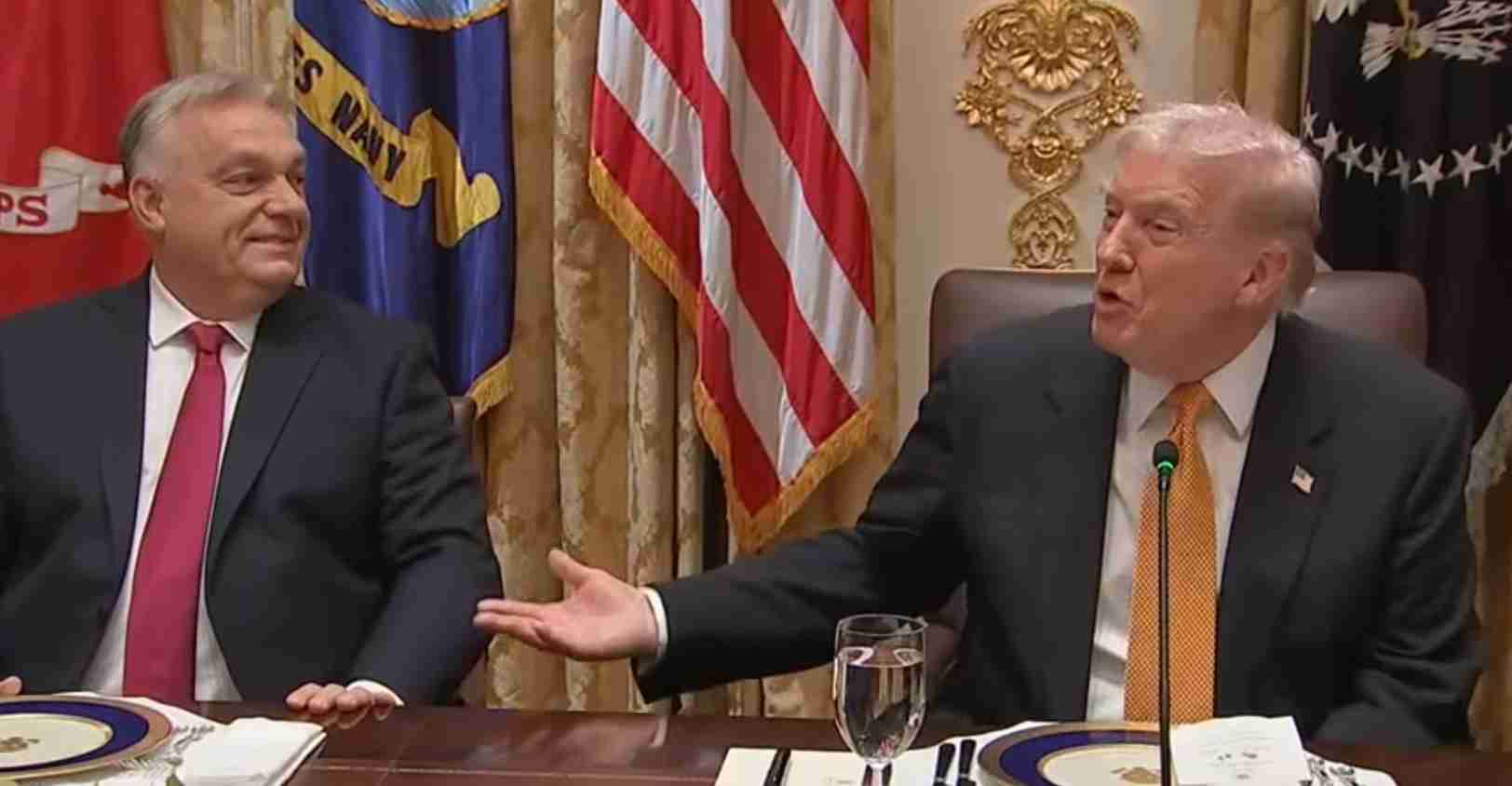
Orbán Praises Karoline Leavitt After White House “Fake News” Takedown, Jokes He Wants to Hire Her
WASHINGTON (Times Media Service) — Hungarian Prime Minister Viktor Orbán joked he wanted to hire White House press secretary Karoline Leavitt after she accused reporters of spreading “fake news” about the U.S. economy at the close of a meeting with President Donald Trump.
Key takeaways
- Leavitt sharply rebuked reporters, arguing they ignored the administration’s work on inflation and affordability; coverage sourced from Fox News.
- Orbán quipped he wanted to hire Leavitt, a joke repeated aloud by Trump that produced laughter; the interaction is documented in a Fox News video.
- The meeting mixed levity with policy, covering energy, trade and Orbán’s request for U.S. exemptions from some Russia-related sanctions.
- No evidence Orbán pursued hiring Leavitt beyond the offhand quip; reporting noted the moment was jocular and brief (AOL).
What happened at the White House
Context: The exchange took place at the conclusion of a bilateral meeting between President Donald Trump and Prime Minister Viktor Orbán. Reporters asked about a potential government shutdown and the cost of living; Trump pushed back on media coverage related to inflation and affordability (Fox News).
Leavitt invited into the room
Trump invited Karoline Leavitt into the room. She delivered a pointed defense of the administration, saying reporters ignored work on inflation and highlighted what she called the largest middle-class tax cut “in record time.” The remarks preceded Trump labeling critical questions as “fake news.” (Fox News).
Leavitt’s remarks and the “fake news” label
Leavitt accused the media of downplaying the previous administration’s role in an “unaffordability crisis” and of mischaracterizing Trump’s comments about affordability. After her remarks, Trump called the press “fake news,” a phrase that has become emblematic of his interactions with the media (Fox News video).
Orbán’s comment and immediate reaction
The quip: As Leavitt spoke, Orbán leaned toward Trump and joked he wanted to hire her. Trump relayed,
“Karoline, the prime minister would like you to work for him in Hungary.”
The room laughed and Trump added, “Please don’t leave us, Karoline.” The exchange was brief and jocular (Fox News video).
No formal follow-up reported
There is no public evidence Orbán pursued any formal steps to recruit Leavitt beyond the on-the-record quip. Contemporary accounts rely on video and immediate reporting of the interaction; outlets that covered the moment included conservative media that carried footage (Fox News; AOL).
Why the exchange drew attention
- Personal chemistry: The moment highlighted the warm rapport between Orbán and Trump; Orbán has praised Trump’s style and often confronts critics and media at home.
- Media trust debate: The use of “fake news” exemplifies ongoing disputes over media coverage and public trust, visible here on an international stage.
- Profile boost: The exchange raised Karoline Leavitt’s visibility among conservative audiences; she has previously run for Congress and served as a Trump spokesperson.
Topics discussed in the bilateral meeting
The meeting’s substantive agenda included Hungarian energy policy, trade and Orbán’s request for U.S. exemptions from certain Russia-related sanctions. Observers noted the contrast between the jocular hiring quip and the serious geopolitical matters under discussion (Fox News).
Fact check and limits of reporting
Available reporting: Accounts indicate the hiring remark was a joke. No reporting documents formal recruitment steps. Coverage relied on the video of the interaction and contemporaneous reporting, primarily from conservative outlets that published the footage (Fox News; Fox News video; AOL).
Implications for United States
Economic and policy signals: Talks about energy, trade and sanctions could affect U.S. diplomacy and Central European security; any informal goodwill translating into concessions would attract scrutiny.
Media trust and public perception: The exchange reinforces partisan narratives: supportive audiences may see underreported policy successes, while critics view the dismissal of questions as undermining independent journalism.
Political effects at home: The quip feeds campaign-style theater and could be cited in congressional oversight debates about foreign policy and sanction enforcement.
Practical takeaways for readers
- Separate the theatrical moment from substantive policy discussions on energy and sanctions.
- Expect follow-up reporting to determine whether any formal diplomatic or policy actions arise from the meeting.
- Recognize the limits of initial coverage—much relies on immediate video and contemporaneous reports from specific outlets.
Reporting notes and sources
Primary accounts and video include reporting from Fox News, the related Fox News video, and a summary report on AOL. This article preserves those original facts and URLs; readers should watch for follow-up coverage.



