
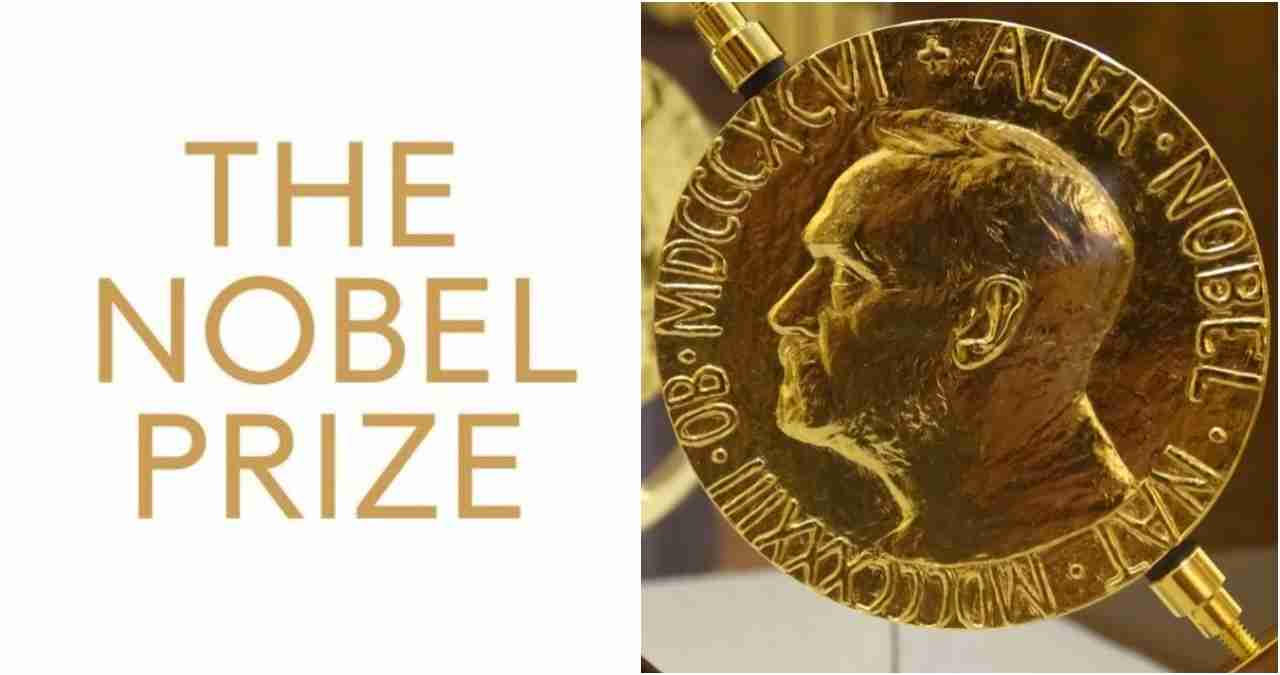
Pakistan nominates Trump for second Nobel Peace Prize after Gaza ceasefire brokered, Shehbaz Sharif announcement
Pakistan’s Prime Minister Shehbaz Sharif announced Pakistan intends to nominate former U.S. President Donald Trump for a second Nobel Peace Prize, crediting his role in brokering a Gaza ceasefire that Sharif said saved millions of lives.
Key takeaways
- Who: Pakistan’s Prime Minister Shehbaz Sharif.
- What: Pakistan announced intent to nominate Donald Trump for a second Nobel Peace Prize.
- Where & When: Remarks at the Gaza Peace Agreement signing in Sharm el-Sheikh, made on or before Oct. 14, 2025.
- Source: Statement documented in video of the press conference released by Times Media Service on YouTube.
Main
Background: a public pledge at the signing
During a press conference at the Gaza Peace Agreement signing in Sharm el-Sheikh, Prime Minister Shehbaz Sharif praised what he described as a major diplomatic breakthrough and said Pakistan intends to nominate Donald Trump for a second Nobel Peace Prize. Sharif called the day “one of the greatest days in contemporary history” and credited Trump’s “visionary and relentless leadership” with helping to achieve a ceasefire that ended hostilities in Gaza and, he said, “saved millions of lives.” The remarks are documented in a video of the press conference.
What Sharif said
Sharif used emphatic language to describe Trump’s role, calling him “the most genuine and wonderful candidate for the Nobel Peace Prize.” He said:
“Now today here in Sharm el-Sheikh he is achieving peace in Gaza and saving millions of lives in the Middle East. Mr. President, I salute you for your exemplary and visionary leadership. The world will always remember you as a man who went out of his way to stop eight wars.”
These lines are taken from the press conference footage. Sharif also referenced a prior Pakistani nomination for Trump — citing earlier efforts credited with averting conflict between Pakistan and India and mediating other global disputes — and he acknowledged the roles of regional leaders including Egypt’s President Abdel Fattah el-Sisi, the Amir of Qatar, the President of Türkiye, the King of Jordan, the Crown Prince of Saudi Arabia, and UAE leadership in delivering the Gaza ceasefire (video of the press conference).
Verification and limits of public record
Public statement vs. formal nomination: Sharif’s announcement is a public statement of Pakistan’s intention. At the time of reporting, there is no public record that the Nobel Committee has received or processed a formal nomination from Pakistan for Trump’s second Nobel Peace Prize, nor has the committee acted on any such nomination. Independent international confirmation of Trump’s specific role in brokering the Gaza ceasefire beyond Sharif’s remarks is limited in publicly available sources. The primary documentation of the Pakistani statement is the Times Media Service video.
Context on the Gaza Peace Agreement
Participants at the Gaza Peace Agreement signing described the event as a turning point in a long-running conflict. Leaders at the signing credited multilateral diplomacy and regional pressure for securing the ceasefire. Pakistan’s announcement frames Trump as a central figure in that diplomatic effort, emphasizing both his past and recent interventions. Outside statements from other governments and international organizations have acknowledged the ceasefire but, in the public record available to this report, have not singled out a single individual as the chief broker in the same terms as Sharif’s comments (press conference video).
Why this matters: Nobel process and precedent
The nomination process: The Nobel Peace Prize nomination process allows certain officials and former officials to submit nominations. A public statement of intent is not the same as a formal nomination being received and reviewed by the Nobel Committee. The committee does not confirm or deny nominations until it names the prize winner and does not publicly disclose all nominations. Past state nominations have sometimes become public via media or official notices but do not guarantee final selection. Sharif’s remarks describe Pakistan’s intention and praise for Trump but do not provide documentary evidence of a completed formal submission to the Nobel Committee (video).
Responses and missing independent corroboration
As of this report, major international organizations and the Nobel Committee have not issued statements confirming Pakistan’s submission or endorsing Sharif’s claim about Trump’s role. Media coverage and official statements by other governments have focused largely on the ceasefire and humanitarian outcomes. Pakistan’s announcement and the list of regional leaders credited by Sharif are documented in the press conference video released by Times Media Service. If and when a formal nomination is submitted, or if the Nobel Committee acknowledges receipt, additional confirmation may become available.
Implications for the United States
Economic impact: Immediate economic effects inside the United States from Pakistan’s announcement are likely minimal. A Nobel nomination or award itself would not directly alter trade, markets, or tariffs. However, perception that U.S. diplomatic influence helped secure a major ceasefire could reinforce international confidence in American-led or American-supported diplomacy and might indirectly affect defense, energy, and foreign investment sectors if it reduces geopolitical risk in the Middle East.
Political consequences: For a politically moderate conservative audience, the announcement matters primarily for presidential politics and foreign policy legacy. If Pakistan formally nominates Donald Trump and that nomination gains traction, it could bolster his image among voters who view strong leadership and peace through strength as key virtues. Republicans emphasizing national security may use the nomination to argue tangible overseas results; opponents may question timing, nature of the nomination, or broader U.S. involvement.
Social effects: Public reaction in the U.S. will likely split along familiar lines. Supporters may see the move as vindication of an assertive foreign policy that produced peace; critics may view it as a partisan gesture. The announcement is likely to drive media coverage, social media debate, and campaign messaging, and it may prompt calls for further humanitarian action.
Cultural relevance: A Nobel nomination for a former U.S. president carries symbolic weight. Conservatives prioritizing strong leadership may welcome it; moderates favoring pragmatic diplomacy may see it as evidence that leverage and negotiation produced results. Broader cultural discussions about what the Nobel honors — reconciliation, humanitarian impact, peace-building — may re-emerge.
Practical applications: For policymakers and voters the announcement prompts concrete questions: What specific U.S. actions helped secure the ceasefire? Which diplomatic channels were decisive? How will the ceasefire be sustained and what follow-up humanitarian and reconstruction commitments are needed? Answers matter for decisions on foreign aid, refugee assistance, and military posture.
What to watch next
- Whether Pakistan follows through with a formal written nomination to the Nobel Committee and whether the committee acknowledges receipt.
- Statements from the Nobel Committee, other governments involved in the Sharm el-Sheikh agreement, and U.S. officials clarifying the role played.
- Domestic political responses in the United States, including comments from Trump’s allies and critics.
- Further reporting documenting the specific diplomatic steps attributed to Trump and regional leaders in securing the Gaza ceasefire.
Reporting note and source
This article is based on Prime Minister Shehbaz Sharif’s comments at the Gaza Peace Agreement signing in Sharm el-Sheikh, as recorded in a video of the press conference (Times Media Service video). At the time of publication, there is no public evidence that the Nobel Committee has acted on a nomination from Pakistan, nor independent verification in public sources that credits a single individual alone with brokering the Gaza ceasefire. Further updates will follow as more documents or official statements become available.



