
Federal grand jury indicts “Prophetess” in alleged Kingdom of God Global Church forced labor scheme that prosecutors say raised $50 million
A federal grand jury in the Eastern District of Michigan indicted Kathleen Klein, known as “Prophetess,” charging her in a multi-state forced labor conspiracy tied to the Kingdom of God Global Church that prosecutors say raised roughly $50 million.
- Defendant charged: Kathleen Klein, 53, also known as “Prophetess.”
- Co-defendants: David Taylor, 53, and Michelle Brannon, 56; Taylor and Brannon were indicted in July 2025.
- Alleged operation: Multi-state call centers in Michigan, Missouri, Florida and Texas where victims were forced to solicit donations.
- Money raised: Prosecutors say roughly $50 million collected since 2014 was used to fund real estate, vehicles, airline tickets and luxury goods.
Main story
What prosecutors allege
The superseding indictment filed Feb. 11, 2026, paints a picture of church leadership that prosecutors say turned religious work into a nationwide forced labor operation. According to the Justice Department, leaders of the Kingdom of God Global Church — formerly Joshua Media Ministries International — ran call centers where congregants and other workers were required to make long, unpaid shifts soliciting donations for the organization.
Prosecutors allege workers were pressured to meet aggressive fundraising goals and that those who failed or resisted faced severe punishments: public humiliation, sleep deprivation, physical abuse, withholding food and shelter, forced repentance rituals and threats of divine judgment such as sickness, accidents, death and eternal damnation. The indictment also alleges that leaders spent donor money on personal luxuries including real estate and recreational vehicles — reporting cited by Fox News and Fox2 Detroit.
New details added in superseding indictment
The Feb. 11 superseding indictment expands allegations against leadership. Prosecutors assert that David Taylor requested and received sexually explicit photos and videos from female workers, who feared refusing him. It also alleges that Kathleen Klein coordinated and enforced punishments alongside Michelle Brannon, including text messages from 2024 assigning “heavy labor” to workers, threats to abandon them on the street and violent rhetoric. These new claims are part of the broader forced labor and money-laundering case.
Law enforcement action and arrests
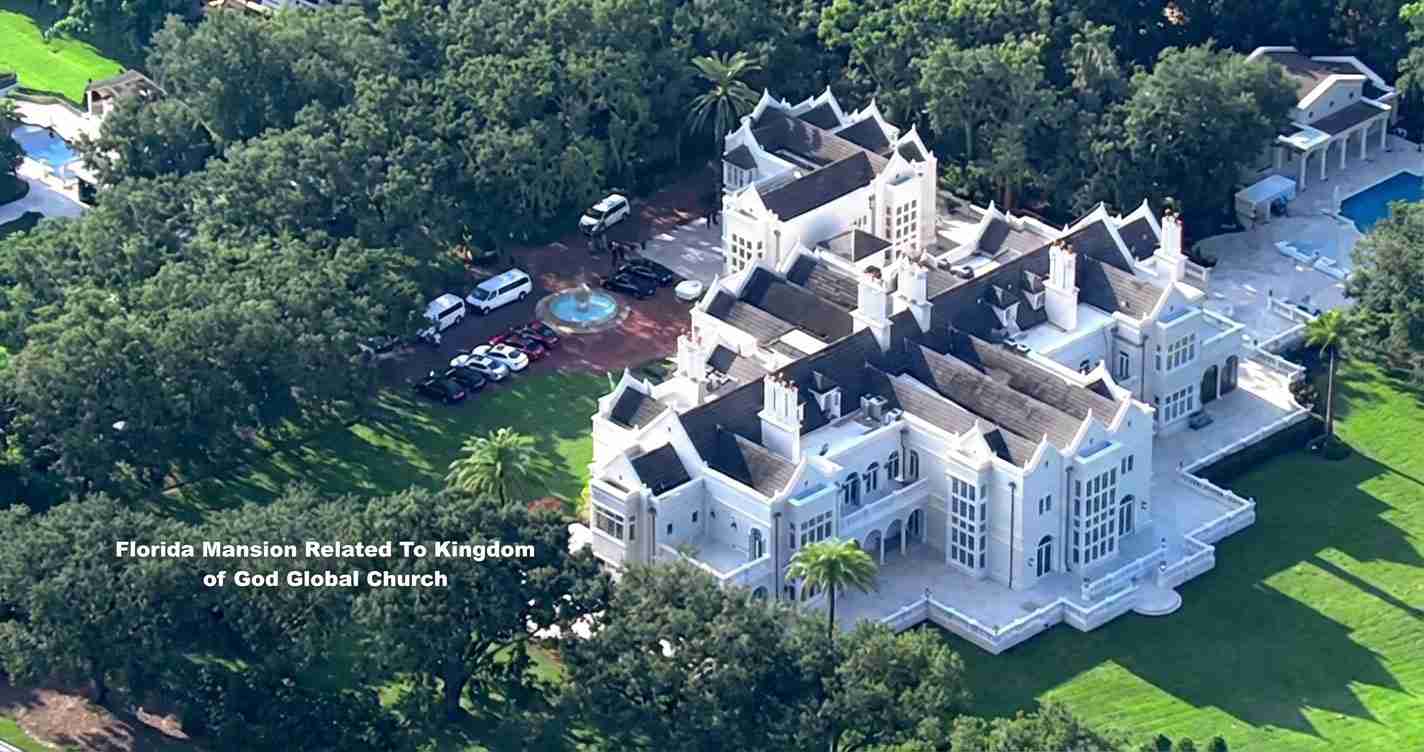
The case followed a coordinated multi-state law enforcement investigation that included FBI raids on properties tied to the Kingdom of God Global Church in Texas, Florida, North Carolina, Missouri and Michigan. Video reporting and footage captured conditions at locations including a Tampa mansion prosecutors say doubled as a call center where dozens of workers lived in harsh conditions — video reporting and local reporting by Fox13 Tampa Bay.
Michelle Brannon was arrested in August 2025 at the Florida property; David Taylor was taken into custody in North Carolina. Klein was added to the indictment in February 2026 and faced a hearing in Detroit federal court on Feb. 17, 2026. Authorities say the investigation was a coordinated effort with state and local partners (Fox13; Fox2 Detroit).
Official statements from prosecutors and the FBI
“This case reflects the gravity of forced labor schemes that strip victims of their basic human rights,” said Assistant Attorney General A. Tysen Duva in the Department of Justice statement. The DOJ pledged to pursue “those who facilitate and profit from forced labor.” FBI Special Agent in Charge Jennifer Runyan in Detroit described forced labor as “a direct assault on human freedom” and highlighted the cooperative work across federal, state and local lines — official DOJ release.
Charges and possible penalties
According to prosecutors and media reports, Klein is charged with conspiracy to commit forced labor, carrying a maximum prison term of up to 20 years. Taylor and Brannon face multiple counts, including forced labor and money laundering offenses; some counts carry maximum penalties of 20 years per count. Prosecutors allege the conspiracy collected about $50 million in donations since 2014 (Fox News; DOJ).
Church response and public reaction
The Kingdom of God Global Church has rejected the government’s depiction of the organization as a criminal enterprise. Church spokesperson Joseph Busch said labeling the church a criminal organization was false and insisted members were “volunteer missionaries that preach the gospel,” not victims. Supporters held protests outside the Detroit courthouse backing Taylor, Brannon and Klein, underscoring the split between prosecutors’ allegations and loyal members’ public support (Fox2 Detroit).
What remains unclear
Prosecutors have publicly released allegations and some supporting evidence in the superseding indictment, but other details remain limited in public records. The number of alleged victims, complete financial accounting of the $50 million in donations, and the full list of properties and assets tied to the church’s leaders were not fully detailed in filings available as of Feb. 11, 2026. No convictions have been recorded; all defendants are presumed innocent until proven guilty in court (DOJ).
Investigative context: Michigan church forced labor allegations
Federal authorities say the operation represented a complex mix of religious authority, centralized fundraising and coercive control. Allegations that leaders used spiritual threats — warning of divine punishment for noncompliance — to control workers are central to the forced labor claim. Investigators warn that schemes cloaked in religious language can mask criminal conduct and can be difficult for victims to report due to fear, isolation or belief (DOJ; Fox News).
Implications for the United States
Economic: If allegations are proven, the case highlights how charitable and religious donations can be diverted for private gain. Roughly $50 million in donations — prosecutors say — was used to buy real estate and luxury goods, raising questions about oversight, donor protections and financial transparency for organizations soliciting nationwide support (Fox News).
Legal and policy: The indictment underscores federal tools available to pursue alleged forced labor and trafficking, including prosecution for peonage, involuntary servitude and money laundering. For lawmakers and prosecutors, it may prompt calls for clearer rules around religious non-profits and enhanced enforcement resources (DOJ).
Social and community effects: The allegations raise concerns about vulnerable members of faith communities being exploited. The case may increase awareness about signs of coercion, the importance of reporting abuse, and the need for social services to support victims who leave controlling organizations.
Practical applications for citizens
Donors and volunteers should ask for clear financial reports, be wary of organizations that prohibit outside contact or require unquestioning obedience, and report suspected abuse to local or federal authorities. The case also illustrates the role of federal prosecutors and the FBI in investigating multi-state operations that cross jurisdictional lines (DOJ).
Reporting and sources
This article is based on the Justice Department’s Feb. 11, 2026, press release and contemporaneous reporting. Sources include Fox News coverage, Fox2 Detroit reporting, Fox13 Tampa Bay local reporting, and video reporting from local outlets.
Note: All allegations described above are from the superseding indictment and public statements by prosecutors. Defendants are presumed innocent until proven guilty in court (DOJ).



