
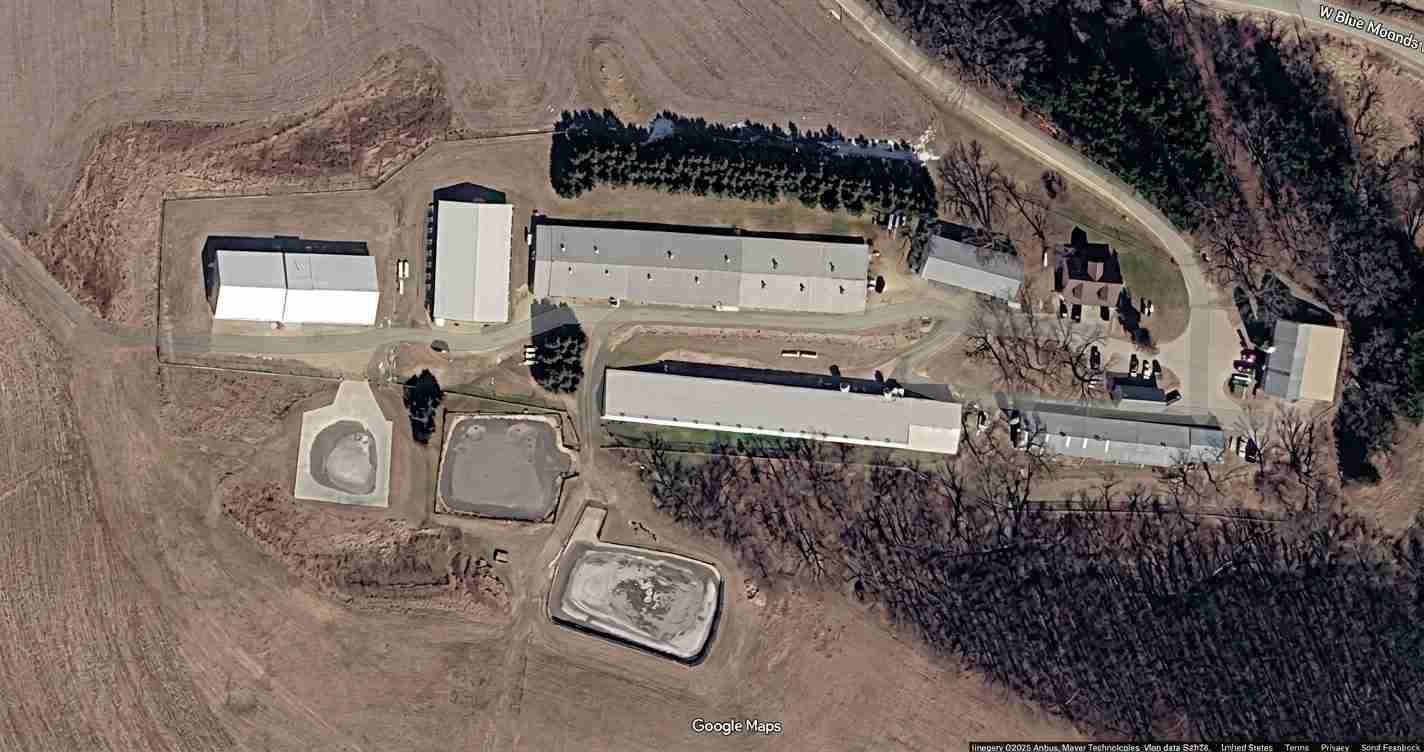
Ridglan Farms beagles released: First vans carry about 300 beagles from Marshall, Wisconsin as nationwide rescue begins
Lede: Nearly 1,500 beagles from Ridglan Farms are being relocated to rescues and shelters nationwide under a landmark agreement; the first wave of about 300 dogs left Marshall, Wisconsin, Friday after veterinary screening and preparatory care.
Key takeaways
- First wave: About 300 beagles departed Ridglan Farms after veterinary screening, vaccinations and doses of Benadryl to ease travel reactions.
- Large relocation: The transfer is part of an effort to relocate roughly 1,500 of the facility’s estimated 2,000–2,200 beagles to rescues and shelters nationwide.
- Intake and care: Dogs will receive medical exams, microchips, vaccinations and behavioral evaluations before adoption or long-term foster placement.
- How to help: Organizations ask the public to apply to adopt or foster and to donate toward vet care, transport and sheltering costs.
Main story
What happened Friday
On-site coordination: Rescue teams and veterinarians were on site in Marshall as vans were loaded. Each dog was screened by a veterinarian, given core vaccinations and microchip preparations, and administered Benadryl to guard against allergic reactions during transport — see related coverage on-site video.
Big Dog Ranch Rescue and partner organizations began moving the initial group to intake centers and foster homes, while other groups prepared to receive additional waves over the coming days. Big Dog Ranch Rescue and other groups began moving the initial group to intake centers and foster homes (coverage: local report).
“A very big win,” said Lauree Simmons, president and founder of Big Dog Ranch Rescue. She said she was “ecstatic to have these dogs out and get them into loving homes,” while cautioning many will need training to adjust to life outside cages — video statement.
How the dogs will be distributed
Allocation plan: Rescue partners outlined a multi-group placement strategy. The Dane County Humane Society is set to take about 500 dogs beginning May 11, including allocations to the Wisconsin Humane Society facilities in Milwaukee and Green Bay; see video and the Beagle Freedom Project placement page.
The Beagle Freedom Project is overseeing placement plans for roughly 500 beagles, and other rescues, fosters and shelters nationwide are coordinating to receive the remainder.
Intake process: Organizations say the intake process will include medical exams, microchipping, vaccinations and behavioral evaluations before dogs are cleared for adoption or long-term foster placement. Rescuers ask the public to apply to adopt or foster through participating groups’ websites and to donate (local report).
Background on Ridglan Farms and the legal settlement
Ridglan Farms, near Blue Mounds, has bred beagles for scientific research for more than six decades. For years animal welfare groups alleged mistreatment and that dogs were pushed into painful experiments; Ridglan has denied systemic mistreatment, stating its work supports biomedical research.
In January, a Dane County judge found probable cause to believe animal cruelty had occurred tied to eye procedures that violated veterinary standards. Rather than pursue a criminal trial, a special prosecutor and Ridglan reached a settlement; as part of the deal Ridglan agreed to surrender its state breeding license by July 1, avoiding prosecution on the specific mistreatment charges.
Recent USDA estimates placed roughly 2,200 dogs on-site; rescuers say the purchase targets about 1,500 of those dogs, with remaining animals to be addressed in later phases or through other arrangements (local report).
Political and scientific debates
Ethics vs. research: The transfer has prompted debate over the ethics and role of animal research. Rep. Nicholas Langworthy (R-N.Y.) wrote on April 24 to HHS Secretary Robert F. Kennedy Jr. and NIH Director Jay Bhattacharya urging a halt to federal funding for research using dogs sourced from Ridglan Farms — framing the request as ensuring federally funded science meets ethical standards while allowing scientific progress to continue.
Supporters of the rescue emphasize welfare gains for the dogs and public interest in humane treatment. Researchers argue that regulated, ethical animal research remains necessary for many medical advances. The sale and license surrender reflect a legal and public-relations resolution that removes the breeding operation from the research supply chain in the near term (coverage).
Voices on the ground
Big Dog Ranch Rescue and the Center for a Humane Economy are leading intake and placement efforts. Wayne Pacelle of the Center for a Humane Economy has been involved in oversight and coordination with local humane groups to ensure care standards during transfer and intake.
Rescue leaders described the scene as emotional: volunteers and staff evaluated dogs for health and behavior, setting up temporary holding and triage areas to process animals efficiently while protecting welfare in transit (video).
How to adopt, foster or help
Groups receiving dogs ask potential adopters and foster families to apply through the organizations’ online portals. Donations are needed to cover veterinary exams, vaccines, microchips, transport and temporary care.
The Beagle Freedom Project has set up placement pages for the Ridglan dogs. Local organizations — including Big Dog Ranch Rescue, Dane County Humane Society and Wisconsin Humane Society — have application and donation pages; prospective adopters should consult those groups for current steps (local report; video).
Practical note: Interested adopters should prepare for dogs that may need basic training and rehabilitation, including leash training and housebreaking, and should budget for initial vet visits and training classes.
Implications for the United States of America
Economic impact: The transfer will require significant funding for veterinary care, transport and sheltering. Charities, local governments and private donors are likely to bear costs; large-scale vetting and treatment for up to 1,500 dogs can strain shelter budgets and veterinary services, while temporarily increasing demand for veterinary labor and supplies.
Political consequences: The case has bipartisan interest and could prompt federal agencies to review sourcing and ethics policies for animal research. Lawmakers may pursue oversight or funding restrictions tied to sourcing.
Social and cultural effects: Communities will see calls for fosters and adopters; public attention may boost awareness about shelter adoption and responsible pet ownership and could influence perceptions of how research animals are acquired and cared for.
Reporting and sources
This report draws on on-site coverage and statements from rescue groups and local media. Key reporting and background are available from video coverage, local news coverage, and placement materials published by the Beagle Freedom Project.
For those looking to adopt, foster or donate, check the websites of Big Dog Ranch Rescue, Dane County Humane Society and local reporting, the Wisconsin Humane Society, and the Beagle Freedom Project placement page for current application and donation information.


