
Jury convicts Ryan Wesley Routh in attempted Trump assassination; courtroom self-harm moment draws national attention
A jury convicted Ryan Wesley Routh, 59, on all federal charges for the attempted assassination of former President Donald J. Trump at a West Palm Beach golf club in September 2024; the verdict was followed by a courtroom self-harm attempt.
- Verdict: Routh, 59, found guilty on all federal counts related to the September 2024 West Palm Beach attack.
- Courtroom incident: Video shows Routh attempting to stab himself immediately after the guilty verdict; officers intervened.
- Sources: US Department of Justice press release and courtroom video coverage.
What prosecutors said and what the jury found
Federal prosecutors charged Ryan Wesley Routh, 59, of Hawaii, with attempting to assassinate former President Donald J. Trump and with assaulting a federal law enforcement officer in the September 2024 West Palm Beach incident. The jury returned a guilty verdict on all counts after weighing testimony and evidence.
The Department of Justice press release summarizes the charges and the jury’s conclusion. The verdict reflects the jury’s finding that the attack was planned and directed at a former president, raising questions about public safety and federal jurisdiction.
Courtroom scene turns violent after verdict
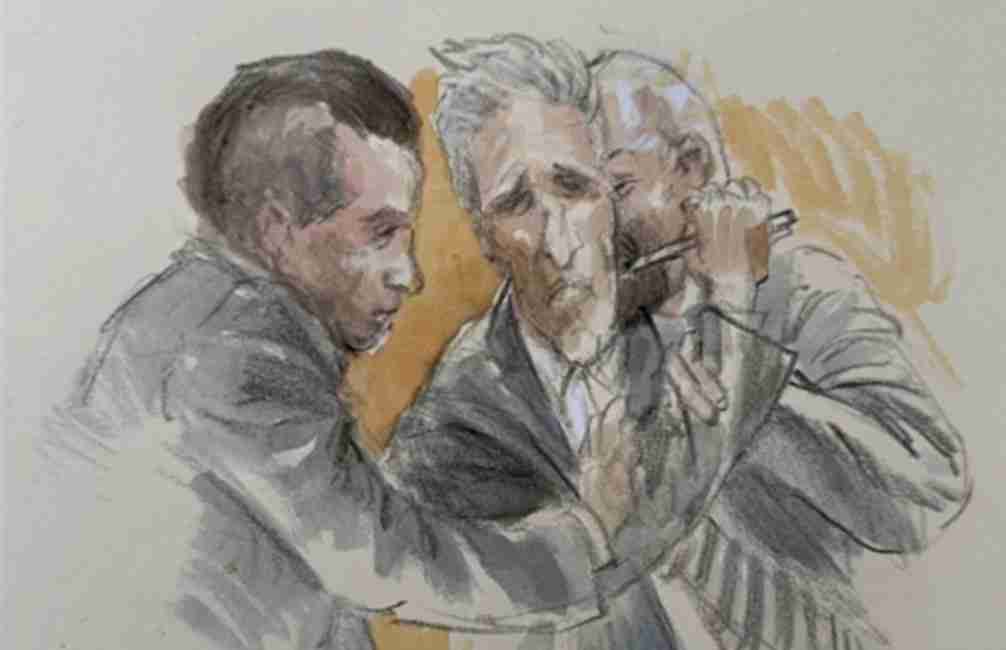
Shortly after jurors announced the guilty verdict, courtroom footage captured Routh attempting to stab himself in the courtroom. Officers quickly intervened and provided medical attention. The moment was widely shared on social and broadcast media, shifting attention from the conviction to Routh’s conduct and apparent distress.
Video shows the defendant attempting self-harm immediately after the verdict was read, prompting an urgent security and medical response.
The courtroom video coverage provides visual confirmation of the incident and has fueled questions about Routh’s mental state and how the courthouse responded.
Media reporting and verification — New York Times pre-publish question
In high-profile trials, outlets sometimes prepare drafts in advance. This report found no verified evidence that The New York Times accidentally pre-published the wrong verdict in this case. Public records and major reporting reviewed do not substantiate claims of such an editorial error.
For primary confirmation of the conviction and the courtroom incident, see the Department of Justice announcement and the courtroom video.
Timeline and legal context
The attack occurred in September 2024 at Trump’s West Palm Beach golf club. Federal investigators brought charges, and the case proceeded to a jury trial. After deliberations, jurors returned guilty verdicts on every count presented by prosecutors.
Sentencing dates and post-trial motions were not specified in the Justice Department release. Standard federal procedures include sentencing hearings, competency or psychiatric evaluations when indicated, and potential appeals.
National reaction and security implications
The conviction prompted a broad national reaction from lawmakers, security experts, and the public. Observers emphasized the need to re-examine security protocols at private venues that host high-profile figures and to coordinate among local, state, and federal agencies.
- Security review: Private clubs and venues may strengthen screening, surveillance, and staff training.
- Policy debate: Lawmakers may use the case to argue for enhanced protections and enforcement against politically motivated violence.
- Public concern: The episode amplified concerns about threats to public figures and the role of mental health in violent acts.
Reporting sources and verification
This article relies on the US Department of Justice press release and publicly available courtroom video reporting. Those documents provide, respectively, the formal charges and verdict and on-record visual confirmation of the courtroom incident.
Legal and mental health considerations
Routh’s attempt to stab himself in court raises questions about competency, mental health assessments, and how those factors may influence sentencing or appeal arguments. Courts routinely order psychiatric evaluations when defendants display acute distress or suicidal behavior during proceedings.
Defense counsel may introduce the courtroom self-harm attempt as mitigation or as evidence in future filings; prosecutors will prepare for sentencing and any post-trial motions.
Implications for United States of America
Economic: Direct national economic effects are unlikely, though security and insurance costs for venues and events could rise.
Political: The case will likely be referenced in debates about protecting current and former officials, enforcement of laws against political violence, and preventative measures.
Social and cultural: The violent episode and courtroom self-harm have intensified public conversation about political polarization, radicalization, and mental-health interventions.
Reporting integrity and next steps
This report emphasizes verified sources: the Department of Justice announcement and the courtroom video. There is no substantiated evidence that The New York Times pre-published an incorrect verdict in this case.
Readers should monitor official filings for sentencing schedules, competency evaluations, and any appeals or additional statements from parties involved.
Sources
Reporting continues as events develop.


