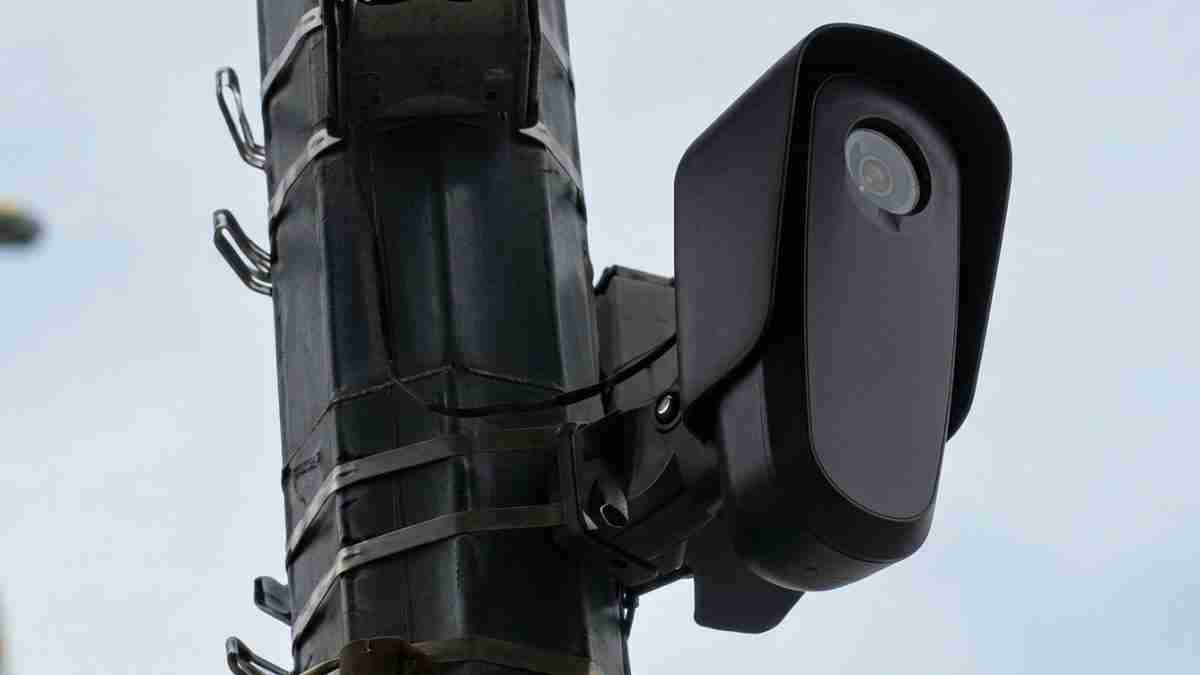
SANTA CRUZ, Calif., Aug. 10 (Santa Cruz News Online) — The Santa Cruz City Council voted 6-1 on Jan. 13 to terminate the city’s contract with Flock Safety, ending use of the company’s automated license plate reader cameras after officials raised concerns about privacy, data sharing and oversight.
Councilmember Sonja Brunner was the only dissenting vote. The council also directed city staff to study other license plate reader systems or safeguards that could allow future use under tighter local controls.
What are Flock cameras?
Flock Safety sells automated license plate readers, or ALPRs. The cameras record license plates and related information, such as when and where a vehicle was seen. Police can search the records during investigations or use them to look for vehicles connected to specific cases.
Supporters say the technology can help police locate stolen vehicles and identify vehicles linked to crimes. Critics say it creates a detailed record of people’s movements, even when they are not suspected of a crime.
Santa Cruz officials said their decision was not based only on how local police might use the cameras. They also questioned who else could access the information, how the data was protected and whether Flock could be held accountable for misuse.
“The issue is not about trusting our own motives or even those of our officers,” Councilmember Susie O’Hara said during the council’s discussion, according to the Santa Cruz Sentinel. “It’s about whether we can ensure our data will not be utilized in ways that clash with Santa Cruz’s values and instill fear in our community.”
Why did data sharing become an issue?
Police Chief Bernie Escalante told the council that Santa Cruz Flock data had been accessible to law enforcement agencies outside California through Flock’s national search tool. City officials described the access as inadvertent and contrary to California law.
The Santa Cruz Sentinel reported that Flock disabled the California setting tied to the national sharing system on Feb. 11, 2025. Santa Cruz later opted out of a statewide portal in November, according to the report.
A grassroots group called Get the Flock Out said state agencies accessed Santa Cruz camera data about 4,000 times between June and October 2025 on behalf of federal law enforcement, including U.S. Immigration and Customs Enforcement. That figure comes from the group’s research and was not independently confirmed by an official record identified in the available materials. The materials also do not establish whether ICE directly accessed Santa Cruz data or identify the agencies involved in the searches.
Flock has said that its customers control access to their data and that the company does not share data with the federal government, according to KQED.
What happens to the cameras?
The city discontinued use of the Flock system immediately after the vote. Communications Manager Erika Smart said the Police Department was coordinating with Flock to remove eight cameras. Removal was expected to take several weeks.
The contract included a 30-day termination provision. City officials said the earliest stated end date was Feb. 12. The available reports differ on whether the council approved the original agreement in December 2023 or the city entered it in 2024.
The council’s action ended Santa Cruz’s current use of Flock, but it did not create a countywide ban. Flock systems remain in use in other Santa Cruz County jurisdictions, including Capitola and Watsonville, according to local officials cited in coverage of the issue.
Could Santa Cruz use license plate readers again?
Possibly. The council asked city staff to examine alternatives or protections that could address its concerns. Any future system would face questions about access rules, data sharing, cybersecurity, retention and vendor accountability.
Mayor Fred Keeley said the council weighed the potential investigative benefits against civil-liberties risks. “For us, the threat to our civil liberties was greater than any benefit we could get from the flawed product,” he said, according to KQED.
The city’s available statements do not identify a criminal case, arrest or court proceeding tied to the Flock data. They also do not show whether the reported searches led to any investigation or enforcement action.