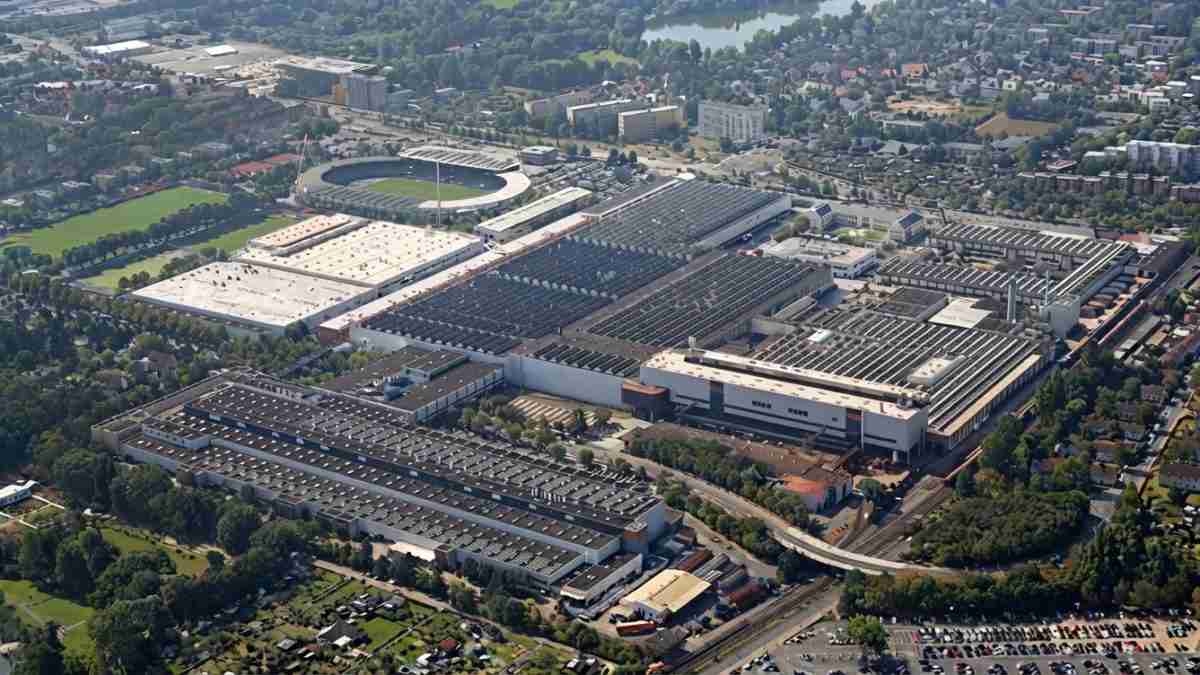
BRAUNSCHWEIG, Germany, July 13 (World Daily Times) — Volkswagen is again considering a deeper restructuring of its German operations, with CEO Oliver Blume saying in an internal memo that the company may need to cut about 50,000 more jobs, according to reporting by RTE and Reuters.
The memo also said Volkswagen cannot yet confirm competitive uses for four plants — in Emden, Hanover, Zwickau and Neckarsulm — in the 2030s, RTE reported.
The key point for workers, suppliers and the communities around those plants is this: Volkswagen has not announced a final closure plan. But the company appears to be weighing a far larger reshaping of its production base than it has publicly confirmed before.
What is Volkswagen weighing?
Reuters reported on June 26 that Volkswagen was considering shutting four German factories and raising total job cuts to as many as 100,000, based on information from two people familiar with the matter. Reuters said Blume had presented the plans to senior executives and that members of the company’s supervisory board had been informed ahead of a July 9 discussion.
RTE’s later reporting, based on Blume’s internal memo, pointed to a different but related figure: about 50,000 additional job cuts on top of previous reductions. That means the reports do not fully agree on the total, but they do point in the same direction — a much larger cutback plan than the company had already laid out.
Which plants are affected?
The four plants named in the reporting are:
- Emden
- Hanover
- Zwickau
- Neckarsulm, which Reuters described as Audi’s site
Blume’s memo, as quoted by RTE, said Volkswagen “still cannot confirm competitive use cases” for those sites in the 2030s.
In plain language, that means the company says it does not yet know what those factories will make, or whether they will remain fully active in their current form, several years from now.
Is this a new plan or part of an older one?
It is part of a longer restructuring effort.
BBC reported that Volkswagen had already announced plans to eliminate 50,000 positions in Germany by 2030, citing a letter from Blume in the company’s annual report. BBC also reported that Volkswagen had previously reached an agreement with labor unions to cut more than 35,000 jobs nationwide by 2030, with about €15 billion in savings.
Reuters separately reported on June 11 that Blume said Volkswagen aimed to reduce its workforce by 19,000 by year-end and had a target of eliminating more than 28,000 positions by 2030.
So the latest reports do not describe a one-time announcement. They suggest Volkswagen is reassessing how deep the cuts may need to go as it tries to bring costs down.
Why does Volkswagen say it needs to act?
A Volkswagen spokesperson told Euronews that “the relevant facts of the matter will be discussed and approved by the relevant bodies” and that the company would not “pre-empt this process.” The same spokesperson also said the company’s current business model no longer works across all brands, with cars developed in Germany, produced in Europe and exported around the world.
In an interview reported by Investing.com, Blume linked the restructuring to high production costs in Germany.
That is the business case Volkswagen is putting forward: lower costs, higher efficiency and a smaller industrial footprint. But unions and politicians are expected to push back hard, Reuters reported, especially because Lower Saxony is Volkswagen’s second-largest shareholder.
What is confirmed, and what is not?
Confirmed from the available reporting:
- Volkswagen is already planning major job cuts in Germany.
- Blume has now said even more cuts may be needed.
- The company has not yet confirmed long-term use cases for four named plants.
Not confirmed:
- Whether any of those four plants will definitely close.
- Whether the total cuts will reach 100,000.
- Whether the reported July 9 discussions produced a final decision.
For now, the reports show Volkswagen moving from a broad restructuring plan to a more serious question about which German plants, if any, still have a long-term future in the company’s network.