
Trump administration silent as Ukraine corruption scandal ties Zelenskyy ally to $100M Energoatom embezzlement
A major corruption scandal in Ukraine implicates Tymur Mindich, a longtime associate of President Volodymyr Zelenskyy, accused of orchestrating a $100 million embezzlement at state nuclear operator Energoatom — while the Trump White House has remained publicly silent.
Key takeaways
- Tymur Mindich, a former business associate and longtime friend of President Zelenskyy, is accused of leading kickback schemes at state nuclear operator Energoatom — reporting by ABC News (https://abcnews.go.com/International/wireStory/shadowy-dealmaker-time-zelenskyy-associate-accused-ukrainian-corruption-127547526).
- Ukraine’s anti-corruption bodies say a 15-month probe produced more than 1,000 hours of wiretaps and allege kickbacks reached up to 15% on some contracts.
- Resignations followed the disclosures — two senior ministers, including Herman Haluschenko, stepped down amid public uproar.
- The Trump White House declined to comment publicly on the investigation, according to the same reporting by ABC News.
How investigators say the scheme worked
Ukraine’s National Anti-Corruption Bureau (NABU) and the Specialized Anti-Corruption Prosecutor’s Office (SAPO) describe a methodical probe that spanned 15 months. Investigators say they intercepted more than 1,000 hours of conversations showing contractors paid systematic kickbacks to obtain contracts at Energoatom.
Prosecutors allege kickbacks were arranged at rates of up to 15% on certain contracts and that proceeds were laundered through a network of shell companies to obscure final recipients. Authorities publicly released documents and audio clips they say outline a tightly managed network that steered contracts and siphoned funds away from the state operator.
Mindich’s ties to Zelenskyy
Tymur Mindich previously co-owned a production company with Volodymyr Zelenskyy and maintained business and personal ties after Zelenskyy became president. Investigators and activists contend that this proximity helped Mindich gain influence in sectors dependent on state procurement.
“Mindich’s rise was possible because of privileged access to the president’s inner circle,” one anti-corruption activist told ABC News.
Resignations and fallout inside Kyiv
The probe’s public release prompted two senior ministers to resign, including Herman Haluschenko, who had held senior roles in energy and later justice portfolios. Their departures increase political pressure on President Zelenskyy to demonstrate accountability within his administration during wartime.
Domestic activists staged protests and demanded stronger anti-corruption measures, arguing the case highlights enduring vulnerabilities where political access can translate into business advantage.
Where Mindich is now
Authorities say Mindich has left Ukraine. Prosecutors plan to pursue criminal cases in absentia and will likely need cross-border cooperation to trace funds, freeze assets and identify ultimate beneficiaries. Such processes are often slow and legally complex.
White House response — or lack of one
When asked about the investigation and resignations, the White House under the Trump administration declined to issue a public statement, according to ABC News. Reporting found no public evidence that U.S. policy was altered in response to the disclosures.
Why the Energoatom embezzlement scheme matters now
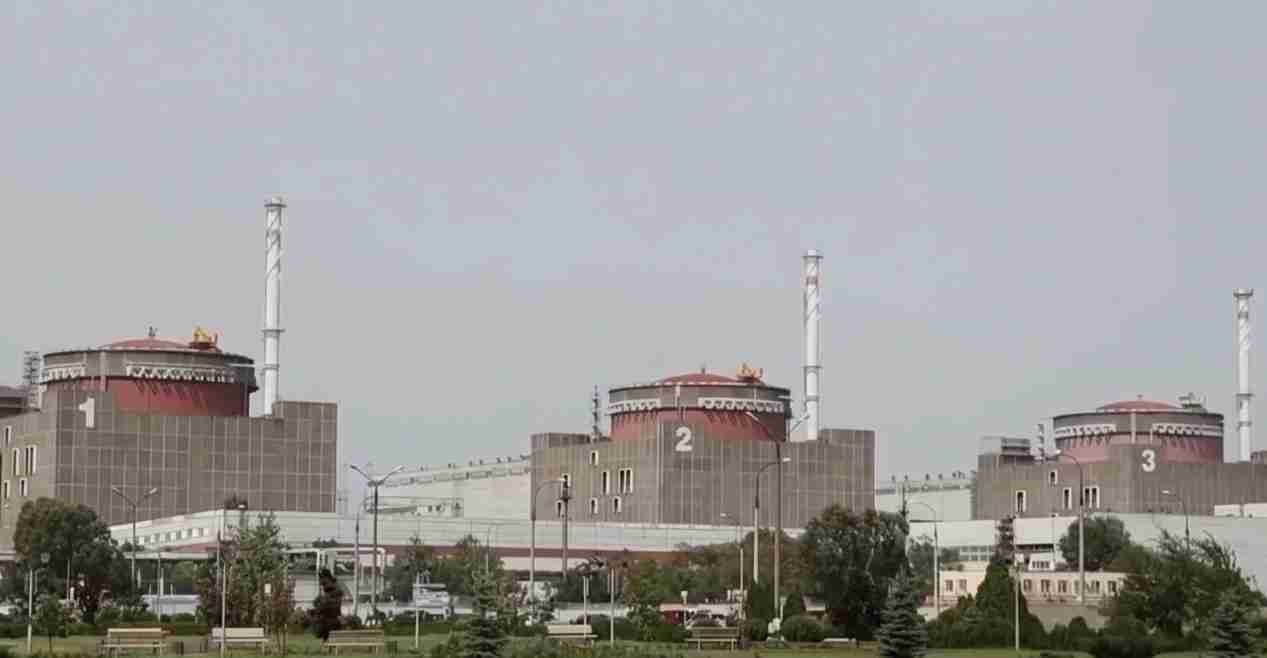
Energoatom operates Ukraine’s state nuclear power plants and is central to energy reliability, civilian safety and national security. Allegations that funds were siphoned from that operator raise concerns about maintenance, safety upgrades and the effective use of international aid.
International and domestic reaction
Outside Ukraine, public reactions from foreign capitals have been limited beyond media coverage. Domestically, activists and experts say the revelations underscore the need to insulate procurement from political influence and to accelerate anti-corruption reforms.
Investigative gaps and next steps
Although the released audio and documents provide a significant evidentiary window, many questions remain. Prosecutors must:
- Trace banking records and financial flows across jurisdictions.
- Identify ultimate beneficiaries behind shell companies.
- Secure cooperation from foreign authorities to freeze and recover assets.
- Pursue trials in absentia where necessary while building cross-border cases.
Implications for United States of America
The scandal could reshape U.S. oversight, political debate and policy choices related to assistance for Ukraine.
Economic impact
U.S. taxpayers fund substantial support to Ukraine. A high-profile corruption case tied to Energoatom may prompt lawmakers to demand tighter audits, conditionality, and reviews of energy and infrastructure funding. Private U.S. firms may hesitate to pursue contracts until procurement safeguards are strengthened.
Political consequences
For conservative audiences emphasizing fiscal responsibility, the case bolsters arguments for measurable anti-corruption benchmarks. The Trump-era White House’s silence, as reported, may be criticized and could lead to congressional calls for clearer U.S. messaging demanding accountability in Kyiv.
Security and energy policy
Energoatom’s role in grid stability and nuclear facility management makes corruption risks a security concern. U.S. and allied planners may seek independent monitoring of projects that affect critical infrastructure and press for procurement reforms to reduce dual-use vulnerabilities.
Social and cultural effects
The scandal risks eroding public trust in Ukrainian institutions and among international supporters if not addressed transparently. It may intensify debates in the U.S. over balancing strategic support with insistence on governance and anti-corruption measures.
Practical applications for U.S. policy
- Increase conditionality or targeted audits on energy-sector assistance.
- Fund technical assistance to modernize procurement systems at Energoatom and elsewhere.
- Expand support for independent Ukrainian anti-corruption bodies like NABU and SAPO.
Sources and further reading
ABC News — “Shadowy dealmaker tied to Zelenskyy associate accused in Ukrainian corruption probe” (https://abcnews.go.com/International/wireStory/shadowy-dealmaker-time-zelenskyy-associate-accused-ukrainian-corruption-127547526)
Reports from Ukrainian anti-corruption bodies (NABU, SAPO) and ministry statements cited in media coverage form the basis of these allegations and the ensuing resignations in Kyiv. The investigation’s international fallout may shape U.S. oversight and aid discussions in the weeks ahead.



