Portland ICE arrests spark clashes as PPB monitors South Waterfront protests; three taken into custody, federal detentions also recorded
Portland Police Bureau arrested three people during protests outside the ICE facility in South Waterfront between Oct. 11 and Oct. 25, 2025; the incidents are among 58 arrests this month as PPB deployed Crowd Management teams to monitor demonstrations.
- Three arrests: Two arrests were for disorderly conduct and one for harassment, according to the Portland Police Bureau press release.
- Monthly total: The South Waterfront nightly protests have produced 58 arrests so far in late October 2025, per PPB.
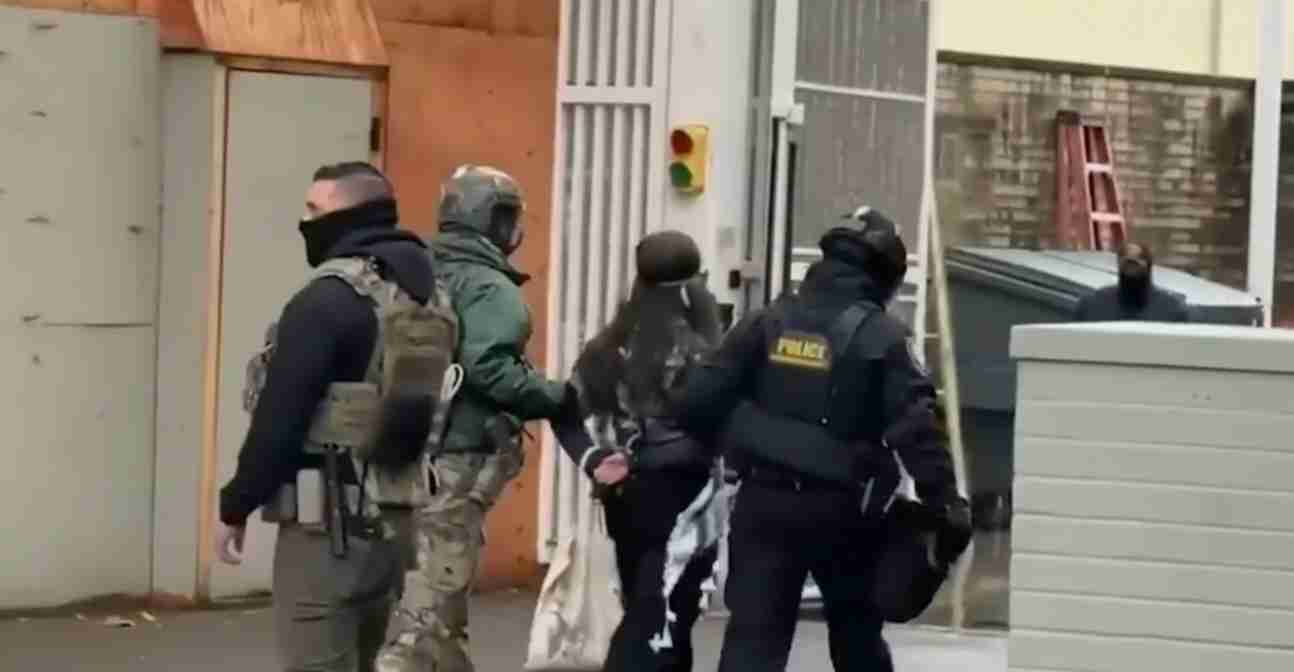
- Federal actions visible on video: Independent footage shows federal officers detaining people during an Oct. 11 incident — raising questions about coordination between agencies (video).
- Cross‑state processing concerns: Some arrestees were later held in Clark County, Washington, prompting scrutiny about custody and transfer procedures (Oregon Public Broadcasting reporting).
Arrests and incidents documented by PPB
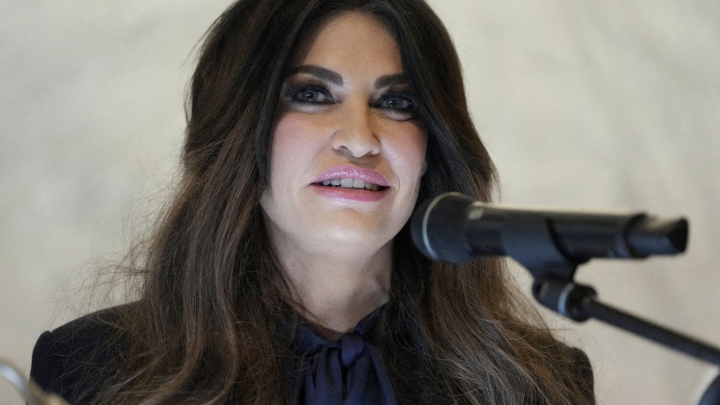
Portland police say the three arrests connected to the South Waterfront protests were made after officers observed repeated unlawful conduct and physical confrontation. According to the PPB news release, two men — Kevin J. Beyer, 19, and Benjamin J. Beyer, 22, both from New Jersey — were arrested for Disorderly Conduct in the Second Degree after repeatedly moving into the roadway despite police warnings. A third person, Graciella G. Sobieralski, 46, of Portland, was arrested for Harassment after officers say she physically confronted another person during the demonstration.
PPB emphasized these arrests were tied to public‑safety violations rather than immigration enforcement; the bureau stressed it does not participate in immigration enforcement and that its role was to maintain public safety under Oregon law and city policy (Portland Police Bureau press release).
Video shows clashes, federal detentions
Independent video posted to social platforms captures heated exchanges between protesters, counterprotesters and federal officers near the ICE facility. That footage includes moments of physical confrontation and several detentions by federal personnel during an Oct. 11 incident, illustrating how quickly demonstrations escalated and how federal agents and local activists engaged in the same space (video).
Questions raised: Who made arrests, where detainees were processed, and how federal and local authorities coordinated on scene — all were prompted by the visual records and subsequent reporting.
Police tactics and crowd management
In response to heightened activity, PPB activated specialized Crowd Management teams on Oct. 25 to monitor demonstrations and maintain communication with group leaders. Officers assigned to liaison duties focused on de‑escalation and on keeping public areas accessible. The bureau reported working with demonstrators to clear blocked sidewalks and to restore access for people with disabilities after a canopy and other items created significant obstructions.
PPB also warned about violations such as open containers and unlawful drinking near the facility, framing its actions as public‑safety measures rather than immigration enforcement (Portland Police Bureau statement).
Jurisdiction and legal questions
The presence of federal officers near the ICE building highlights a split of roles: federal agents carry out immigration enforcement while city police handle local public‑safety violations. That division matters when protesters clash with federal personnel, because encounters can produce separate actions by different agencies. Video from Oct. 11 indicates federal detentions occurred independently of PPB arrests, complicating accounts of who detained whom and where people were processed (video).
The reported movement of some detainees to a Clark County jail in Washington added another layer. Clark County officials raised questions about how and why people arrested in Portland might be transported and held across state lines, underscoring potential confusion about custody, bail and notification procedures when multiple jurisdictions are involved (Oregon Public Broadcasting reporting).
Media coverage and public response
Local and national outlets circulated video and police statements, fueling debate on tactics and civil liberties. Supporters of the demonstrations say they protest federal immigration policies and the presence of ICE; opponents point to disruptions to traffic and public space and insist law enforcement must keep streets safe. PPB has sought to position itself as a neutral public‑safety agency, focused on ordinance violations rather than federal immigration objectives (PPB statement).
Why this matters nationally
The South Waterfront protests are part of a broader pattern where activist groups confront federal immigration agencies and demonstrations sometimes produce arrests. How local police and federal agents coordinate — and how they handle detentions, cross‑jurisdiction transfers and public‑safety concerns — affects legal accountability, civil‑rights oversight and public confidence across U.S. cities.
Economic impact
Local disruption at high‑traffic sites can ripple through neighborhood business districts. Repeated protests near federal facilities may deter foot traffic and tourism. The costs of added policing, overtime for Crowd Management teams, and legal processing of arrests can strain municipal budgets if protests persist (PPB).
Political consequences
The incidents put pressure on city leaders to balance public safety with civil liberties. For moderate conservative readers, questions arise about enforcing laws that keep streets and sidewalks accessible while respecting peaceful protest rights. The split between federal and local roles is a recurring talking point in debates over jurisdiction and enforcement priorities.
Social effects
Repeated nightly protests and confrontations can strain community relations. Residents and business owners in South Waterfront reported concerns about safety and blocked access, especially for people with disabilities. Activists, by contrast, view demonstrations as central to civic engagement; managing both interests will shape social cohesion.
Cultural relevance
Protests at ICE facilities reflect a national debate over immigration policy and enforcement. Demonstrations have become focal points for activists across the political spectrum. For Americans prioritizing order, these incidents underscore the challenge of allowing dissent while preventing unlawful behavior that endangers others (video).
Practical applications for officials and citizens
Lawmakers and municipal officials should review policies on crowd management, accessibility protections and interagency custody protocols to avoid confusion about detention and processing. Clear communication about unlawful conduct (roadway entry, harassment, obstruction) may reduce risky behavior during protests. Citizens and demonstrators can reduce escalation risk by following lawful orders from local officers and coordinating with liaison teams where possible (PPB guidance).
Sources and further reading
- Portland Police Bureau: “PPB monitors protest activity in South Waterfront; 3 arrests made,” Oct. 26, 2025
- Video showing confrontations and federal detentions near the ICE facility, Oct. 11–25, 2025
- Oregon Public Broadcasting: Reporting on Clark County concerns after some arrestees were held out of state