
Iowa National Guard soldiers, American interpreter killed in ISIS ambush near Palmyra
On December 13 near Palmyra, central Syria, a lone gunman opened fire during a key leader engagement, killing two Iowa National Guard soldiers and an American civilian interpreter and wounding three U.S. service members and two Syrian security personnel.
Key takeaways
- Ambush: A lone gunman used an automatic weapon during a key leader engagement near Palmyra, killing two Iowa National Guard soldiers and an American interpreter and wounding three U.S. service members and two Syrian security personnel (Air & Space Forces Magazine).
- Suspect: Officials say the attacker was a former Syrian security forces member suspected of ties to ISIS and was killed by partner Syrian forces at the scene (Air & Space Forces Magazine).
- U.S. response: F-16s flew over central Syria and an A-10 dropped flares in a show of force; no group has publicly claimed responsibility (Air & Space Forces Magazine).
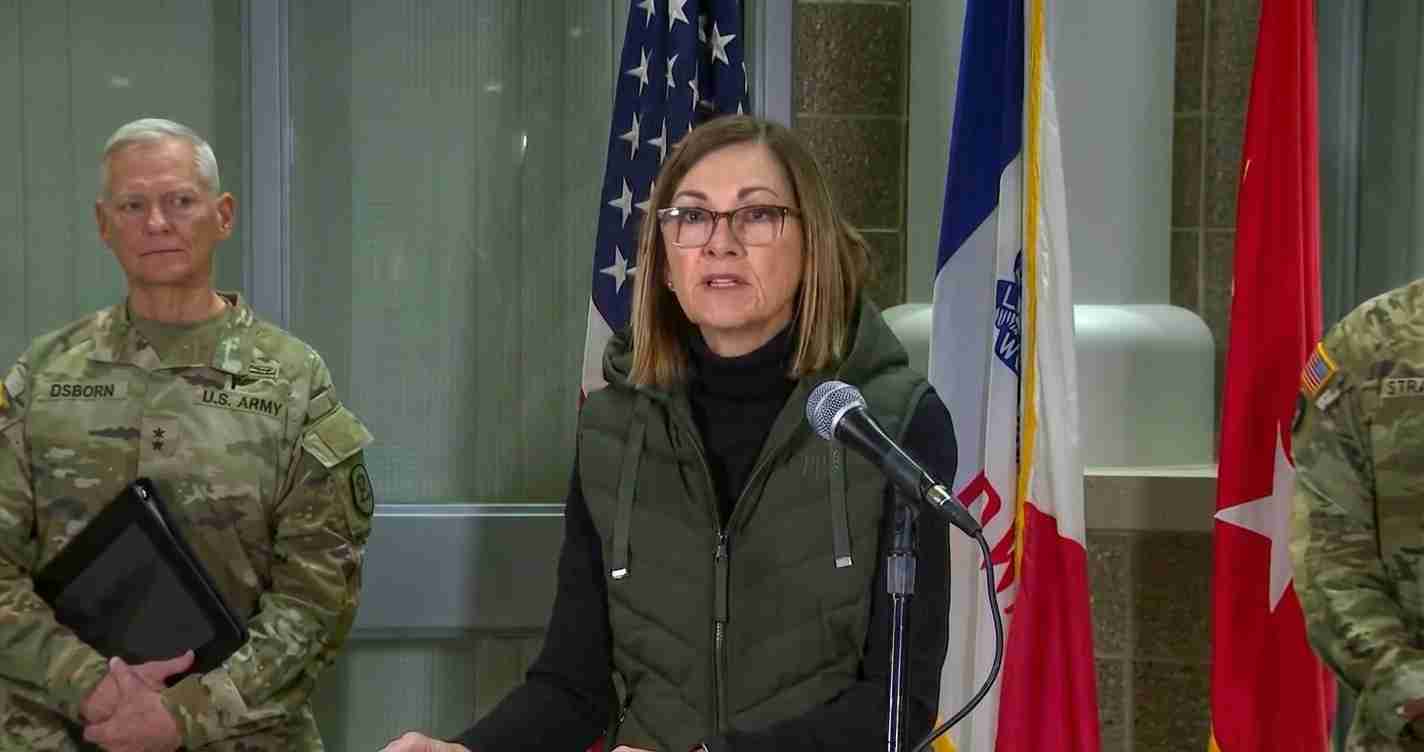
- Officials: Names of the deceased withheld pending next-of-kin notification; Iowa Gov. Kim Reynolds issued condolences and was briefed by Guard leaders (video statement).
Attack and immediate aftermath
What happened: U.S. officials report the ambush occurred Dec. 13 during a joint key leader engagement with local Syrian forces near Palmyra. The attacker opened fire at close range with an automatic weapon, striking U.S. personnel and partner forces. Three U.S. service members were wounded and are receiving care; two Syrian security personnel were also injured (Air & Space Forces Magazine).
Partner Syrian forces engaged and killed the shooter at the scene. U.S. Central Command described the incident as an ambush and released limited details for safety and operational reasons. As of the latest reports, no organized group has claimed responsibility (Air & Space Forces Magazine).
Who the victims were
U.S. officials confirmed the two service members killed were affiliated with the Iowa National Guard; their names have not been released pending family notification and operational security. An American civilian interpreter also died. The Pentagon has withheld further identifying details while next of kin are notified (Air & Space Forces Magazine).
“Our hearts are heavy,” Iowa Governor Kim Reynolds said after a secure briefing from Guard leaders, offering prayers for the families and for all who serve (video statement).
U.S. military response and posture
In the hours after the attack, U.S. forces increased visible combat air presence over central Syria. Videos show F-16 jets flying over the Palmyra area, and an A-10 reportedly dropped flares as a deterrent and demonstration of continued support for partner forces. U.S. officials described these actions as force-protection and deterrence measures (Air & Space Forces Magazine).
President Donald Trump called for “very serious retaliation” on social media, labeling the incident an ISIS attack in a dangerous area. Senior officials and envoys issued messages of mourning and reaffirmed counterterrorism commitments.
Investigation and context
Officials described the attacker as a former Syrian security forces member suspected of ties to ISIS. U.S. Central Command and other agencies are investigating how the attacker gained access to the engagement and whether lapses in vetting, intelligence or force protection contributed (Air & Space Forces Magazine).
For safety reasons, authorities released only limited operational detail to protect ongoing operations, partners and investigative procedures. Partnered patrols and key leader engagements are part of U.S. policy to degrade ISIS remnants while supporting local forces, but those missions carry clear risks in unstable areas.
Reaction from state and federal leaders
Iowa’s governor received a secure briefing and publicly expressed condolences. National security officials condemned the attack and pledged continued cooperation with Syrian partners. Special envoys and Pentagon officials issued statements mourning the loss and emphasizing continued counterterrorism efforts. Officials reiterated that names would be withheld pending next-of-kin notification, following standard military practice (video statement; Air & Space Forces Magazine).
Implications for the United States
Economic impact
The immediate national economic impact is likely limited. Costs for medical care for the wounded and potential operational adjustments exist but are modest relative to broader defense budgets. In Iowa, survivor assistance and benefits will engage state and federal resources for affected families (Air & Space Forces Magazine).
Political consequences
The attack is likely to intensify debate in Washington over U.S. troop posture in Syria and the Middle East. Lawmakers may seek briefings on mission objectives, force protection measures and partner vetting. For a moderate conservative audience, scrutiny will focus on whether U.S. forces are deployed effectively and how to balance counterterrorism gains against risks to service members.
Social effects
The deaths will resonate in communities, especially in the Midwest. National Guard families face grieving and heightened awareness of risks for Guard members overseas. Expect increased public support for family assistance, mental health services and reintegration programs for returning service members (Air & Space Forces Magazine).
Cultural relevance
Americans often rally around fallen service members; state leaders typically lead local mourning and memorial activities. For many, the loss underscores duty, sacrifice and calls for clear, accountable policy when sending Americans into harm’s way (video statement).
Practical applications for daily life and policy
- Military families: Expect increased outreach from military support organizations, the National Guard Bureau and state officials for counseling and benefits processing (Air & Space Forces Magazine).
- Policymakers: Calls for immediate briefings to Congress on the Syria mission, partner roles and force protection measures could lead to hearings and stricter vetting.
- Public opinion: The incident may renew debate about U.S. involvement in Syria, influencing future authorizations, funding and public support for counterterrorism operations.
Reporting and transparency
Officials have released limited operational detail citing safety concerns. As investigations proceed, more information may emerge about the attacker, tactical circumstances and any intelligence or vetting gaps. Journalists and lawmakers will press for clear answers about access to the engagement and steps to prevent similar incidents (Air & Space Forces Magazine).
Ongoing developments
U.S. military and diplomatic officials say they will continue working with partner forces in Syria while reviewing force protection and mission parameters. Videos and statements released after the attack show a robust U.S. air presence over Palmyra as a deterrent. Investigations remain active; officials are limiting public detail to avoid jeopardizing safety and ongoing operations (Air & Space Forces Magazine; video statement).



