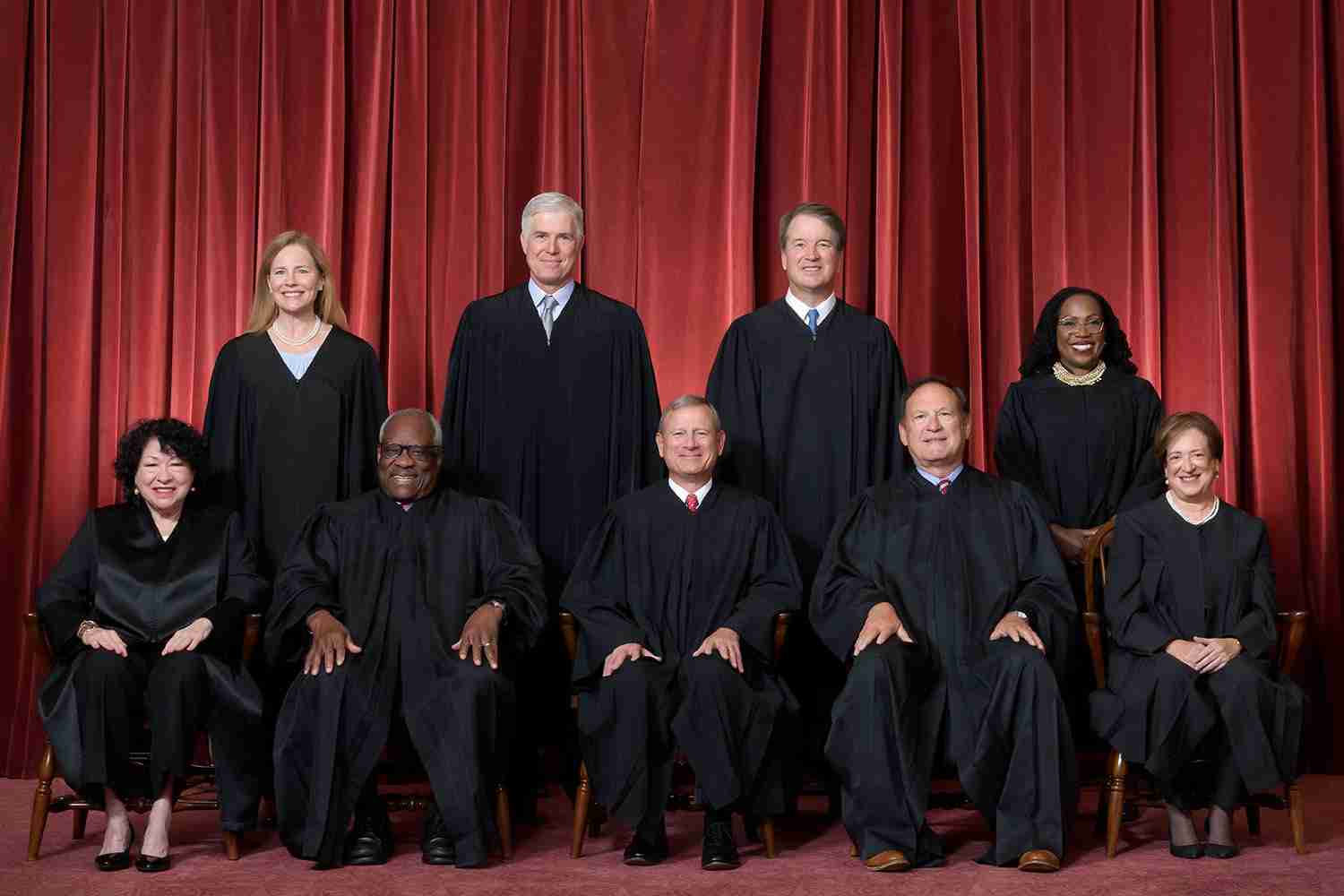
Supreme Court blocks Illinois Guard deployment, curbs Trump National Guard powers in 6–3 emergency ruling
The Supreme Court denied emergency relief in Trump v. Illinois, blocking federalized Illinois National Guard deployment in a 6–3 order and upholding lower-court restraints — a major limitation on the President’s use of Guard troops for domestic law enforcement.
Key takeaways
- Emergency denial: The Court denied the government’s emergency stay application 6–3, leaving a district court temporary restraining order (TRO) and the Seventh Circuit’s refusal to lift it in place.
- Statutory limit: Justices signaled skepticism about the administration’s reading of 10 U.S.C. § 12406(3) as a stand‑alone basis to federalize Guard troops for ordinary domestic law enforcement.
- State control affirmed: The ruling reinforces that states retain primary control of their National Guard unless narrow, exceptional conditions are shown.
Key information
- Case: Trump v. Illinois, No. 25A443. See the Supreme Court order denying emergency relief.
- Lower courts: U.S. District Judge April Perry issued a TRO blocking the deployment; the Seventh Circuit refused to lift that TRO (background in the Supreme Court order).
- Troop numbers: About 300 members of the Illinois National Guard were federalized; troops from the Texas National Guard were also called up and sent toward Chicago on the same timeline (see the Supreme Court order).
- Statutory claim: The administration invoked 10 U.S.C. § 12406(3) to federalize the Guard to “execute the laws of the United States” when regular forces are “unable” (described in the Supreme Court order).
- Outcome: Emergency stay denied 6–3; dissent by Justices Alito, Thomas and Gorsuch (order: Supreme Court order).
- Reactions: The ACLU and ACLU of Illinois praised the decision (ACLU of Illinois press release; ACLU national statement). Illinois Governor J.B. Pritzker also welcomed the ruling (Statement from Illinois Governor J.B. Pritzker).
What the courts have said so far
Background: The dispute began after President Trump federalized roughly 300 Illinois National Guard members on October 4, 2025, saying the move was needed “to protect federal personnel and property in Illinois, particularly in and around Chicago” (see the Supreme Court order).
Illinois officials and civil‑rights groups sued, arguing the federalization was unlawful and that the government had not shown the narrow conditions required to override state control. Judge April Perry in the Northern District of Illinois issued a temporary restraining order barring the deployment, finding the administration had not demonstrated lawful authority under §12406 for this use and noting that using federalized troops for ordinary law enforcement is an “exceptional” step with strict limits (district court record summarized in the Supreme Court order).
The emergency appeal to the Supreme Court
The Solicitor General filed an emergency application asking the Supreme Court to stay the TRO so the federalized troops could deploy while litigation continued. After holding the application for over two months, the Court denied the request in a 6–3 vote. The order did not set a briefing schedule on the merits, meaning the underlying lawsuit proceeds in the lower courts (see the Supreme Court order).
What the ruling means legally
Legal signal: By refusing to lift the TRO, the Court cast doubt on the administration’s interpretation of 10 U.S.C. § 12406(3). The Court accepted the view that using federalized Guard members to “execute the laws” inside a state is an “exceptional” power and that the government had “failed to identify a source of authority” authorizing this specific deployment (as discussed in the Supreme Court order and summarized by civil‑liberties groups in their statements).
The ruling addresses only emergency relief; it does not decide the merits. In practice, courts seldom permit federal troops into a state over state objections without a clear legal basis and an immediate, extraordinary need—standards the lower courts found lacking here.
Administration and dissenting justices’ views
Administration position: The government argued §12406 allows federalization when regular forces cannot “execute the laws” and that federalized troops were needed to protect federal personnel and property (arguments summarized in the Supreme Court order).
Dissent: Justices Samuel Alito, Clarence Thomas and Neil Gorsuch dissented from the denial and would have granted the emergency relief—highlighting a split in how broadly to read presidential authority to federalize Guard forces for domestic operations (Supreme Court order).
Reactions from Illinois and civil‑liberties groups
Governor: Illinois Governor J.B. Pritzker said the Court confirmed the President lacked authority to deploy federalized Guard units in Illinois without clear statutory support and that Illinois retains control over its Guard (Statement from Illinois Governor J.B. Pritzker).
Civil‑liberties groups: The ACLU and ACLU of Illinois said the decision rejected the administration’s expansive reading of §12406 and protected states’ rights and civil liberties by preventing the routine use of federal troops for domestic law enforcement (ACLU of Illinois press release; ACLU national statement).
Scope and next steps in litigation
Formally, the Supreme Court denied emergency relief and did not rule on the merits; the district court litigation in the Northern District of Illinois will continue. If the government loses on the merits, future uses of §12406 as a stand‑alone justification would be constrained. If the government ultimately prevails, legal boundaries could shift, but for now the TRO and the Seventh Circuit’s refusal to lift it remain in effect (see the Supreme Court order).
Implications for the United States
Economic: Immediate effects are limited—ruling prevents a short‑term troop deployment that could have disrupted commerce and travel in parts of Illinois. Longer‑term economic uncertainty could arise if the federal government were allowed routine troop deployments into resisting states.
Political: The decision is a judicial check on emergency presidential appeals and federal overreach, likely to intensify debates over executive power in Congress and the courts. For governors of both parties, the ruling affirms state control over the National Guard.
Social and cultural: Civil‑liberties advocates say the ruling reduces the likelihood of militarized federal responses to protests and unrest, addressing long‑standing concerns about standing armies at home and preserving a restrained military role in domestic life.
Practical: Governors and adjutants general retain clearer authority over Guard units; federal officials will likely need stronger, specific legal showings before moving troops into a state. Congress may consider clarifying statutes like 10 U.S.C. § 12406 and the Insurrection Act to reduce ambiguity.
Sources and further reading
- Supreme Court order, Trump v. Illinois, No. 25A443
- ACLU of Illinois press release
- ACLU national statement
- Statement from Illinois Governor J.B. Pritzker
If you would like a follow‑up explainer on how 10 U.S.C. § 12406, the Insurrection Act and the Posse Comitatus Act interact with this ruling, I can prepare a clear, plain‑language breakdown.