
Trump orders Christmas Day strikes on ISIS in Nigeria, says attacks on Christians prompted action
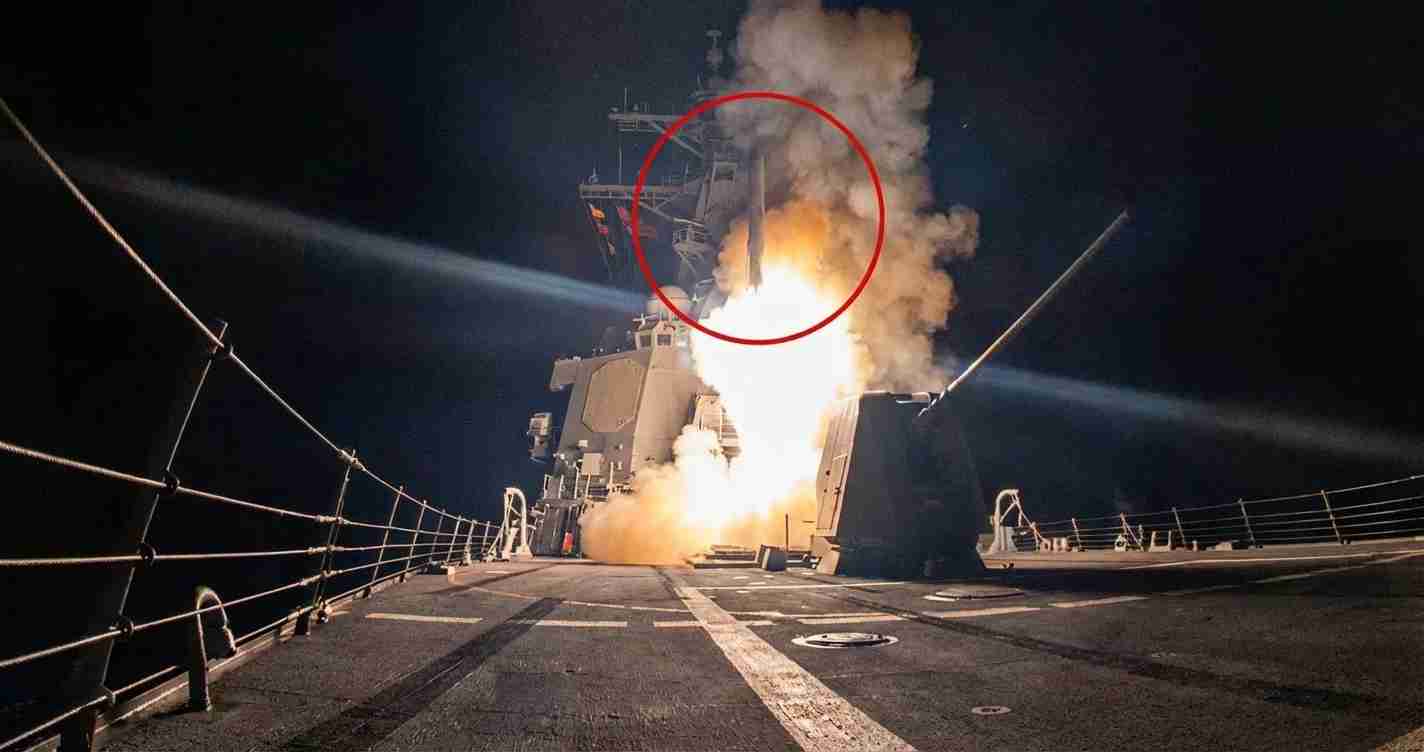
On Christmas Day 2025, U.S. forces carried out surprise airstrikes on ISIS-linked targets in Nigeria at President Donald Trump’s order, a response he said was prompted by militants attacking Christians and threatening civilian populations abroad.
- December 25, 2025: President Trump ordered U.S. strikes on ISIS-affiliated positions in Nigeria, described as a response to militants he said were “slaughtering” Christians ((source: source)).
- Operational cooperation: Nigeria says it provided actionable intelligence and worked with U.S. forces while stressing protection was for all civilians ((source: source)).
- Analysts: Experts note deep governance and communal roots of violence; airstrikes can pressure but cannot replace long-term local solutions (analysis by J. Peter Pham; (source: source)).
Details of the strikes and timing
The White House said President Trump delayed a planned operation from Christmas Eve to Christmas Day to execute a surprise Christmas Day attack on militants, framing it as a warning to those targeting religious minorities ((source: source)).
U.S. officials described the actions as precision strikes against multiple ISIS-affiliated sites across Nigeria. The administration claimed the strikes killed multiple militants and quoted the president vowing, “there will be many more dead terrorists”, if attacks on Christians continued ((source: source)).
Nigerian government response
Nigeria’s federal government confirmed it provided actionable intelligence and praised operational cooperation while rejecting a narrative that the operation targeted a single religious group. Officials emphasized the strikes aimed to protect all innocent civilians regardless of faith ((source: source)).
That stance reflects sensitivity to domestic religious tensions and an interest in asserting sovereignty even as foreign support is accepted.
Expert analysis and regional context
J. Peter Pham, former U.S. special envoy for the Sahel, linked the targets to West African terrorist networks and criminal banditry that exploit governance gaps. He argued U.S. strikes can draw international attention and pressure local authorities, but long-term solutions require stronger governance and community-level responses ((source: source)).
“Militant groups in Nigeria and the Sahel often mix ideological extremism with localized criminality — air power alone cannot fix governance failures,” analysts said.
Observers caution against viewing all violence as purely religious: poverty, land disputes, ethnic conflict, and weak institutions play major roles in regional instability.
What officials have and have not confirmed
Public statements confirm U.S. airstrikes on December 25, 2025, against ISIS-linked positions in Nigeria and a U.S. role in planning and execution ((source: source)). The administration stated militants were targeting Christians and framed the strikes as a response.
Limits of verification: Independent confirmation of casualty figures, exact targets, and whether attacks were part of an organized faith-based campaign is limited in early reporting. Local and international monitors describe mixed motives and perpetrators across Nigeria’s troubled regions ((source: source)).
Broader U.S. posture and legal questions
The strikes follow a broader pattern of U.S. counterterrorism activity since 2021, including operations against ISIS groups in Syria and separate actions involving Iranian targets. The administration framed the Nigeria strikes as protecting Americans and allies while degrading transnational extremist capabilities ((source: source)).
Oversight questions: Legal scholars and congressional observers will likely probe the authority invoked, whether Congress was consulted, and civilian-risk assessments — routine but politically sensitive inquiries after overseas military actions.
Reactions in the United States
Responses in Washington were mixed. Supporters praised the operation as necessary to punish terrorists and defend religious minorities. Critics warned of escalation risks, potential civilian harm, and the limits of air power without diplomatic and development strategies. Several lawmakers demanded further intelligence briefings and clarity on objectives and metrics for success ((source: source)).
Implications for United States of America
Economic impact: Short-term direct economic effects on the U.S. are likely minimal; sustained campaigns can increase defense and humanitarian spending.
Political consequences: The strikes may reinforce an image of toughness on terrorism for some voters, while raising oversight and legal concerns among others.
Social and cultural effects: Framing militants as targeting Christians sharpens domestic debates on religious persecution, potentially mobilizing faith groups and affecting foreign policy discourse. Policymakers must balance moral clarity with careful messaging to avoid inflaming sectarian tensions.
Practical questions for residents: Americans will ask about retaliatory risks, humanitarian support for affected Nigerian communities, and the scope and funding of continued U.S. involvement in West Africa.
Accountability and next steps
Washington officials said the administration will brief Congress and allies on the operation and outcomes. Humanitarian groups and U.S. churches are calling for more assistance for civilians. Experts emphasized the need for combined diplomatic, development, and security efforts to address root causes that airstrikes alone cannot solve ((source: source)).



