
White House aide shares unverified claim that U.S. used sonic weapon in Caracas raid on Nicolás Maduro
White House Press Secretary Karoline Leavitt amplified an unverified eyewitness account alleging U.S. forces used a sonic weapon during Nicolás Maduro’s capture in Caracas, a viral claim that has sparked wide debate while U.S. officials have not confirmed the report.
Key takeaways
- An eyewitness who says he was a guard at a Caracas military base described nosebleeds, vomiting blood and severe pain after an alleged intense sound wave; he also reported radar failures, massed drones and ~20 U.S. soldiers from eight helicopters.
- Karoline Leavitt shared the viral interview on social media; the White House and Pentagon have not publicly confirmed the weapon’s use.
- Venezuelan officials reported dozens of deaths and a fire at Fuerte Tiuna; causes remain unverified and independent confirmation is lacking.
- Analysts note symptoms resemble accounts tied to directed-energy or acoustic systems, but there is no public, independently verified evidence linking those systems to this operation.
Witness account and weapon claims
In a video interview that went viral, a man who says he was serving as a guard at a Caracas military base described an unexpected and terrifying attack. He said radar systems stopped working and then “a lot of drones” flew over their positions. He described roughly 20 U.S. soldiers coming out of eight helicopters and quickly taking control. The witness said the attackers used an intense sound wave that led to immediate physical effects: nosebleeds, vomiting blood and acute head pain “like explosions,” and that many fell to the ground and could not stand. Source: Fox News report.
The witness referred to the device as a “sonic weapon,” a broad term that can include long-range acoustic devices or other systems that use sound or pressure to disorient or incapacitate. Experts point out that symptoms described—nosebleeds, vomiting and acute head pain—have also been reported in other alleged incidents attributed to directed-energy exposures. A U.S. intelligence source suggested the symptoms could align with directed-energy systems such as microwave or laser technology, though that source did not confirm deployment of such weapons. Source: Marca.
Karoline Leavitt’s share and White House comments
White House press secretary Karoline Leavitt shared the viral interview on her social feed, amplifying public attention and debate. Media coverage noted that her reposting drove the story across platforms and into conservative-leaning outlets. Fox News coverage highlighted the rapid spread after her share.
In a January 8 White House briefing, Leavitt framed the capture as a “historic and incredibly successful military operation, law enforcement operation,” emphasized U.S. leverage over Venezuelan interim authorities and stated there were no U.S. troops “on the ground” at that time. That briefing did not mention sonic weapons, drones, or the specific tactics described in the viral interview.
Officials’ silence and verification gaps
As of this reporting, neither the White House, the Pentagon nor other U.S. agencies have confirmed the existence or deployment of a sonic weapon in Caracas. Requests for comment on the witness’s claims and on whether the U.S. used any directed-energy or acoustic systems received no public confirmation. Journalists and analysts caution that firsthand accounts shared on social media can be mistaken, exaggerated or part of misinformation campaigns amid the fog of a high-profile operation. Marca report and Fox News note the lack of official confirmation.
Descriptions of tactics
The witness offered a detailed timeline: a sudden failure of defensive systems, massed drones creating confusion, followed by a small, highly trained force moving with precision to seize President Nicolás Maduro. He described U.S. troops firing with extreme speed and accuracy while Venezuelan forces were unable to respond. The witness claimed no U.S. casualties. If true, these tactical claims would indicate sophisticated electronic warfare and special operations capabilities—but again, no independent confirmation of these specifics has been provided. Fox News.
Reports from Venezuelan authorities and base fire
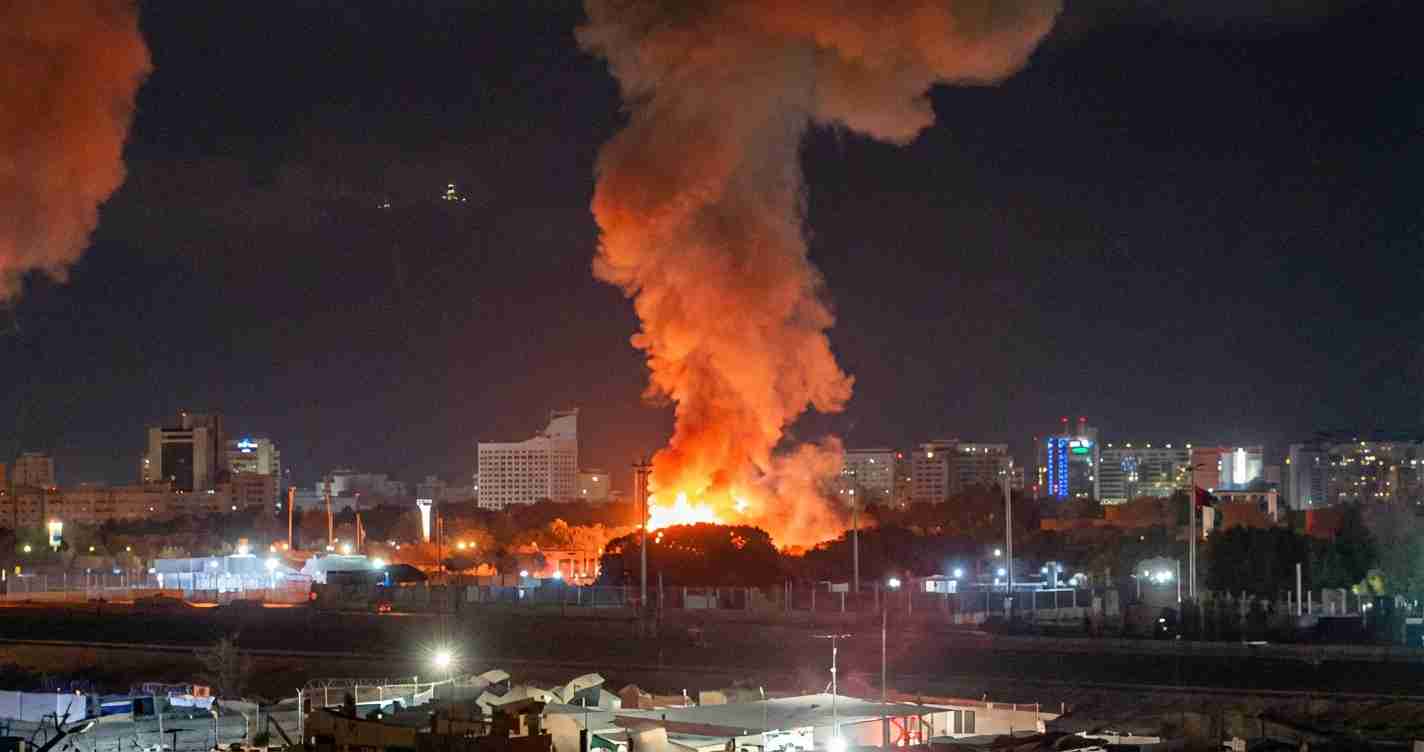
Venezuelan officials reported dozens of deaths after the operation and noted a fire at the Fuerte Tiuna military base on January 3, 2026. Officials have not released detailed forensic explanations for the reported fatalities or for the cause of the base fire. Given conflicting accounts and limited independent access to the scene, observers urge caution in treating casualty figures or causes as established fact. Marca and Fox News reported on casualties and the base fire.
What experts say about sonic and directed-energy weapons
Specialized devices such as long-range acoustic devices (LRADs) are used for crowd control and signaling; they can produce intense sound but are primarily designed to warn or disperse rather than cause lasting injury. Separately, alleged health effects reported in so-called “directed-energy” incidents—headaches, nosebleeds and nausea—have been debated within scientific and intelligence communities for years. Some studies propose possible mechanisms; others find the evidence inconclusive. Importantly, no public, independently verified proof links these systems to the Caracas operation. Marca summarizes expert caution on attribution.
Media ripple and political effects
Leavitt’s reposting of the witness interview sent the account rapidly across social platforms, especially conservative-leaning outlets, and fueled intense speculation about U.S. capabilities and tactics. The spread prompted calls from lawmakers and commentators for official clarification. The absence of a firm denial or confirmation from Washington has created a vacuum now filled by competing narratives. Fox News covers the rapid amplification.
Implications for the United States
Economic and defense spending: Confirmation of advanced nonlethal or directed-energy use could spur congressional scrutiny of classified weapons programs and debates about Defense Department budgets for special operations and high-tech tools versus conventional options.
Political and diplomatic fallout: Even unverified, the claim risks international criticism and diplomatic strain, and could be used by adversaries to portray the U.S. as deploying opaque or coercive technology overseas. Lawmakers may seek oversight hearings or classified briefings.
Domestic security and public conversation: The episode sharpens debate over the scope of U.S. military and intelligence action abroad, accountability, and public communications that balance operational security with transparency.
Legal and ethical questions: Allegations of a weapon causing severe physical effects raise issues under international law and U.S. policy regarding use of force, distinction between lethal and nonlethal means, and protections for civilians and combatants.
Information security and messaging: The rapid spread following Leavitt’s share highlights how senior officials’ messaging can amplify unverified accounts and underscores the need for disciplined communications to prevent misinformation.



