Newsom opens more than 200 California state parks free on MLK Day after Trump removes holiday from national fee-free roster
Governor Gavin Newsom announced more than 200 California state parks will offer free vehicle day-use entry on Martin Luther King Jr. Day, Jan. 19, 2026, as a state-level response to the Trump administration’s removal of MLK Day from the National Park Service fee-free roster.
Key takeaways
- Over 200 parks will waive vehicle day‑use fees for one passenger vehicle (up to nine people) or one highway‑licensed motorcycle on Jan. 19, 2026 — funded by the California State Parks MLK Day webpage partner, the California State Parks Foundation.
- Exclusions: sites charging per‑person fees (for example, Hearst Castle) and off‑highway vehicle areas are not included; the waiver does not cover per‑person admission fees.
- Political framing: Newsom called the federal change “swapping the free day for his birthday and whitewashing civil rights history,” positioning the state move as a defense of MLK Day recognition.
- Sources and context: The action responds to changes announced by the National Park Service and is documented on the governor’s site and state parks pages, with additional reporting from multiple outlets.
Background: what the federal change was and why it matters
In late 2025 and early 2026 the National Park Service published a revised list of fee‑free days for 2026 that dropped Martin Luther King Jr. Day, Juneteenth and National Public Lands Day and added historically and presidentially themed dates such as Flag Day (June 14), Constitution Day, the 110th anniversary of the National Park Service and Theodore Roosevelt’s birthday. Critics said removing MLK Day and Juneteenth reduces federal recognition of civil‑rights history; supporters called the revision a reorientation toward other historical themes.
“Removing those dates shrinks federal recognition of those histories,” advocates said, while supporters argued the new roster reflects alternative historical priorities.
Newsom’s response and political framing
On Jan. 16, 2026, Governor Gavin Newsom announced the state program and framed it as a deliberate countermeasure: “We will answer with light,” he said, honoring Dr. King’s legacy of justice and equality. First Partner Jennifer Siebel Newsom and State Parks Director Armando Quintero backed the move, emphasizing that the waiver process would be simple and “free of invasive questions.” The announcement came ahead of the 100th anniversary of Black History Month as a symbolic defense of civil‑rights recognition.
How the California program will work
On Jan. 19, 2026, participating California state parks will waive vehicle day‑use fees for one passenger vehicle (up to nine occupants) or one highway‑licensed motorcycle. The waiver does not apply to per‑person admission fees charged by certain historic sites (for example, Hearst Castle) nor to off‑highway vehicle areas that charge vehicle access fees. The state directs visitors to the official list of participating parks on the California State Parks MLK Day webpage for specifics and exclusions.
Participating parks and regional examples
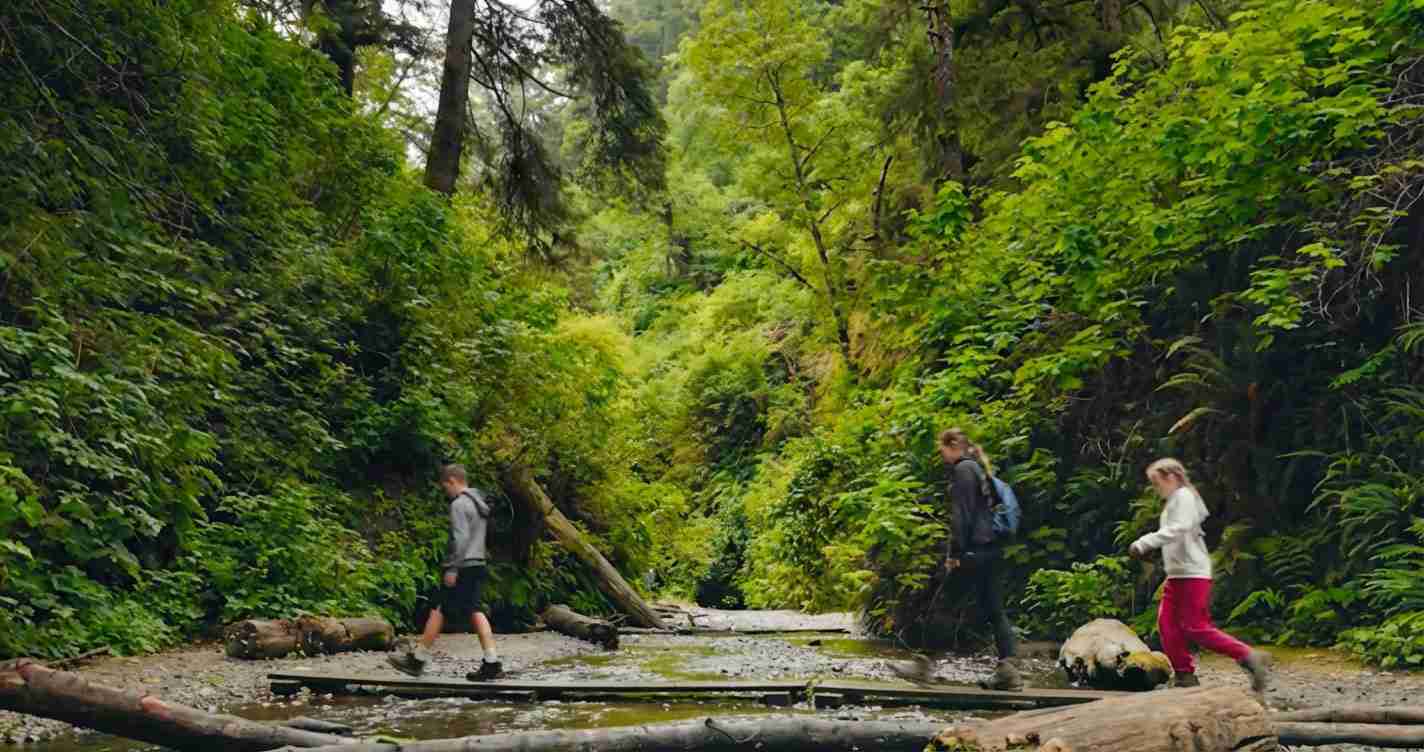
More than 200 parks statewide are participating. Examples include well‑known Bay Area sites — Big Basin Redwoods State Park, Mount Tamalpais State Park and Point Lobos State Natural Reserve — with over 70 Bay Area parks offering free vehicle entry. Other regional examples: Auburn State Recreation Area; D.L. Bliss and Emerald Bay in El Dorado County; Red Rock Canyon and Tule Elk in Kern County; Leo Carrillo, Malibu Creek and Antelope Valley California Poppy Reserve in Los Angeles County; and Crystal Cove, Anza‑Borrego Desert and Cuyamaca Rancho in Orange and San Diego counties. See the full list via the California State Parks MLK Day webpage.
Funding, legal questions and transparency
Newsom’s office emphasized the program is funded by a private nonprofit — the California State Parks Foundation — not by state taxpayer dollars. That distinction is important for budget watchers: one‑time foundation funding can cover a single fee‑waiver day but does not address long‑term maintenance backlogs or recurring operational costs. Officials did not commit to foundation funding for future fee‑free days beyond MLK Day 2026.
Reactions, political stakes and media coverage
Immediate reaction split along political lines. Supporters praised California for defending civil‑rights recognition and public access; critics described the action as partisan theater that heightens polarization over history and national symbols. Observers noted the optics of adding Flag Day — which coincides with former President Donald Trump’s birthday — to the federal free‑day roster, a point used by opponents to intensify criticism.
Further reporting and commentary on the dispute appeared in national and local outlets; for context, see coverage by Fox News, Local News Matters and regional reporting such as KTVU.
Investigative context: who benefits and who pays
Two practical points emerge: vehicle‑fee waivers primarily benefit visitors who arrive by car or motorcycle and do not eliminate other trip costs (fuel, excluded‑site per‑person fees). Second, while foundation funding can cover a single waiver day, it does not solve long‑term funding or maintenance backlogs. Park managers may need to rely on other budgets or donors if waived fee revenue is significant over time. For analysis of those dynamics see additional reporting, including commentary in Backpacker.
Implications for visitors, economy and politics
Economic: States offering fee‑free days can see local tourism boosts — hotels, restaurants and retail may benefit from increased day‑trippers. California’s vehicle waiver may concentrate one‑day visits to nearby businesses but does not remove maintenance or staffing costs for park systems.
Political: The dispute underscores federal‑state tensions over symbolic recognition and public‑lands policy. Governors can set state access rules, producing patchwork responses that may appear in 2026 campaign messaging.
Social and cultural: Removing MLK Day from the federal free‑day list reduces a national, symbolic low‑barrier chance to engage with civic and civil‑rights history; California’s move restores that opportunity within the state and may inspire similar state responses elsewhere.
Practical guidance for visitors
- Check both federal and state park sites before traveling — rules and participating locations differ.
- Note exclusions such as Hearst Castle and off‑highway vehicle areas; the waiver covers one vehicle or one motorcycle only.
- Expect crowds at popular parks; plan accordingly for parking, supplies and safety.
Sources and further reading
For the governor’s full statement and background on the state response, see the governor’s announcement. For the complete list of participating parks and program details, visit the California State Parks MLK Day webpage. Additional reporting and context are available from Fox News, Local News Matters, KTVU and Backpacker.