Bitter Keith Olbermann “Needs Serious Help,” Ex-Colleagues Warn as Broadcaster’s Behavior Grows More Erratic
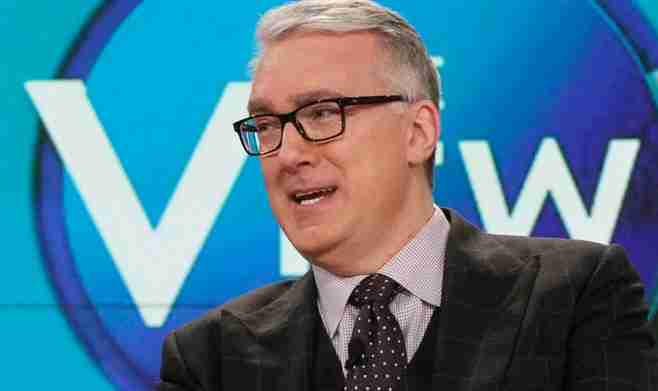
Prominent broadcaster Keith Olbermann has drawn renewed scrutiny from former colleagues and commentators after a pattern of increasingly combative, isolated and sometimes erratic public behavior, prompting widespread concern about his emotional state and calls for professional help.
- Former colleagues and commentators say Olbermann’s conduct has grown hostile and isolating, prompting calls for professional intervention.
- Social media and podcasting are cited as amplification mechanisms for his aggressive rhetoric and repeated public eruptions.
- Notable incidents include a sharp confrontation with Stephen A. Smith that escalated public debate about his tone and judgment.
- Observers urge caution: commenters stress concern for his well-being while noting diagnoses cannot be made without clinical evaluation.
Key information
Former colleagues, media figures and commentators say Olbermann’s public conduct has become increasingly hostile, bitter and isolating, prompting calls for him to seek professional help (source: behavioral analysis article).
Observers point to frequent, aggressive posts on X (formerly Twitter), confrontational podcast rhetoric and a string of public eruptions that critics say show a decline in emotional control (sources: behavioral analysis article, Olbermann’s podcast).
Recent high-profile incidents include a sharp on-air and online attack on Stephen A. Smith after commentary about the Charlie Kirk shooting, described by some as part of a longer pattern of vitriolic disputes (source: Times of India coverage of the Smith confrontation).
Incendiary social media behavior
Former colleagues and commentators point to a long record of online clashes as evidence of what they call Keith Olbermann’s erratic behavior. His X account has been used to post hostile exchanges and sharp personal insults aimed at fellow broadcasters, athletes and politicians. Analysts say these posts are not isolated incidents but a recurring pattern that often escalates quickly (source: behavioral analysis article).
A widely discussed episode last year involved a blunt rebuke of a young athlete that drew public pushback from sports stars and peers. In other high-profile moments, Olbermann has accused mainstream networks and personalities of “prostituting themselves” to other political forces, a charge that inflamed tensions and widened rifts with colleagues (source: Times of India coverage).
Podcast rhetoric and public accusations
On his podcast “Countdown With Keith Olbermann”, the broadcaster has repeatedly linked political figures and media outlets to real-world violence, framing tragic events as the product of a broader climate he blames on right-wing leaders and outlets. Guests and listeners have noted the tone of these episodes as highly charged, with language that assigns direct blame for violent outcomes to political opponents (source: Olbermann’s podcast).
Debate over responsibility: supporters argue Olbermann is exercising his right to tough commentary; critics say his language crosses into personal attacks and alarmist accusations that inflame rather than inform. Those closest to him have expressed worry that his tone is becoming more extreme and less tethered to sober analysis (source: behavioral analysis article).
Isolation and emotional turmoil
A recurring theme among those watching Olbermann closely is his apparent isolation. Colleagues and commentators describe a figure who spends long periods online, trading blows with adversaries and amplifying grievances. Some have speculated publicly that Olbermann lacks close personal ties or stable support systems that might moderate his public behavior (source: behavioral analysis article).
Psychologists and media observers not directly connected to Olbermann say isolation and online echo chambers can worsen emotional reactivity. They caution that constant engagement in combative exchanges can reinforce a “warlike mentality,” making it harder for public figures to step back and de-escalate (source: behavioral analysis article).
Calls for help and mental health concerns
A number of former colleagues and adversaries have openly said they hope Olbermann seeks help, framing their comments as concern rather than attack. The phrase “bitter Keith Olbermann needs serious help” has circulated among critics and some sympathetic observers, who argue his anger and perceived instability have reached a level that merits intervention (source: behavioral analysis article).
Important caveat: public commentators are not clinicians. While many use phrases like “losing it” or “deranged” when describing his actions, formal diagnoses cannot be made without professional evaluation. The chorus of concern nonetheless underscores broader worries about his trajectory (source: behavioral analysis article).
Notable controversies in 2025
The confrontation with ESPN commentator Stephen A. Smith in September 2025 is the most recent in a series of public flare-ups. After comments about the Charlie Kirk shooting, Olbermann accused Smith of having “prostituted himself to the right wing” and called him an “idiot,” language that drew attention beyond sports media and renewed debate about his tone and judgment (source: Times of India coverage).
Observers say this eruption fits a familiar pattern: a charged public event followed by pointed accusations from Olbermann toward other media figures and institutions, feeding the perception of an ongoing social media controversy with little sign of cooling.
Colleague and public reaction
Reactions range from alarm to pity. Some former colleagues, adversaries and commentators have described Olbermann as “quite clearly mentally deranged” while others use softer language, urging him to get help and warning about the dangers of unmoderated outrage online (source: behavioral analysis article).
Voices contextualizing Olbermann’s behavior point to a larger media problem: polarization, incentives for outrage on social platforms, and declining norms for civil disagreement. These analysts argue that while Olbermann’s outbursts may be extreme, they mirror trends among other combative public figures (source: behavioral analysis article).
Broader context: social media and political polarization
Media scholars say Olbermann’s trajectory reflects larger forces at work. Social media rewards strong emotional signals — anger, contempt, moral outrage — with attention and engagement. Over time, that can push frequent users toward more extreme statements, making figures like Olbermann part of a systemic issue affecting many public personalities (source: behavioral analysis article).
Supporters of free speech emphasize allowing robust debate and warn against medicalizing political disagreement. That tension — between concern for an individual’s well-being and protection of open discourse — shapes public response to Olbermann’s erratic behavior.
Implications for United States
Economic impact: Broadcasters and platforms face reputational and financial risks when high-profile personalities engage in sustained controversy. Networks, advertisers and podcasts linked to combative figures can see audience erosion or advertiser pullback.
Political consequences: Olbermann’s style highlights the widening gulf in political media and raises questions about how media institutions manage heated internal disputes and public accountability.
Social effects: Public displays of sustained anger from well-known figures can normalize hostile discourse and make civil disagreement harder at local and national levels.
Cultural relevance: The saga speaks to cultural battles over media trust, responsibility and the balance between advocacy journalism and personal attacks.
Practical applications
- For media consumers: check sources, recognize outrage incentives, and limit exposure to inflammatory content.
- For media organizations: bolster editorial oversight and mental health resources for high-profile, high-pressure personalities.
- For the public debate: balance concern for individual well-being with protection of robust speech, avoiding stigmatizing language.
Reporting note and sources
This report draws on interviews, public posts, podcast episodes and commentary compiled by Times Media Service and other outlets tracking the story. Key reporting and commentary include a behavioral analysis article, coverage of the confrontation with Stephen A. Smith in the Times of India story, and episodes of Olbermann’s podcast “Countdown With Keith Olbermann”.
The pattern of increasingly hostile posts and public eruptions has prompted a mix of criticism, concern and calls for help from former colleagues, commentators and members of the public, fueling an ongoing national conversation about the responsibilities of media figures and the effects of social media on public discourse (sources: behavioral analysis article, Times of India coverage, Olbermann’s podcast).
“Bitter Keith Olbermann needs serious help”—a phrase circulating among critics and some sympathetic observers, reflecting alarm and calls for intervention while underscoring the limits of public diagnosis.