
Outrage After Minneapolis ICE Shooting: Questions Over Agent’s Actions Rise as Reports of Target Center Protest Remain Unverified
On January 7, 2026, Renee Nicole Good, a 37-year-old U.S. citizen, was fatally shot by ICE agent Jonathan Ross during a federal enforcement operation in Minneapolis, a video-sparked incident that has triggered calls for independent investigations and accountability.
- Video evidence shows shots fired through Good’s windshield as her vehicle moved; timelines place the first shot at approximately 9:37:13 a.m.
- DHS response labeled Good a “violent rioter” and defended the agent’s actions, prompting sharp criticism from civil-rights groups.
- Legal scrutiny and calls for independent investigation are underway; analysts say civil claims are possible.
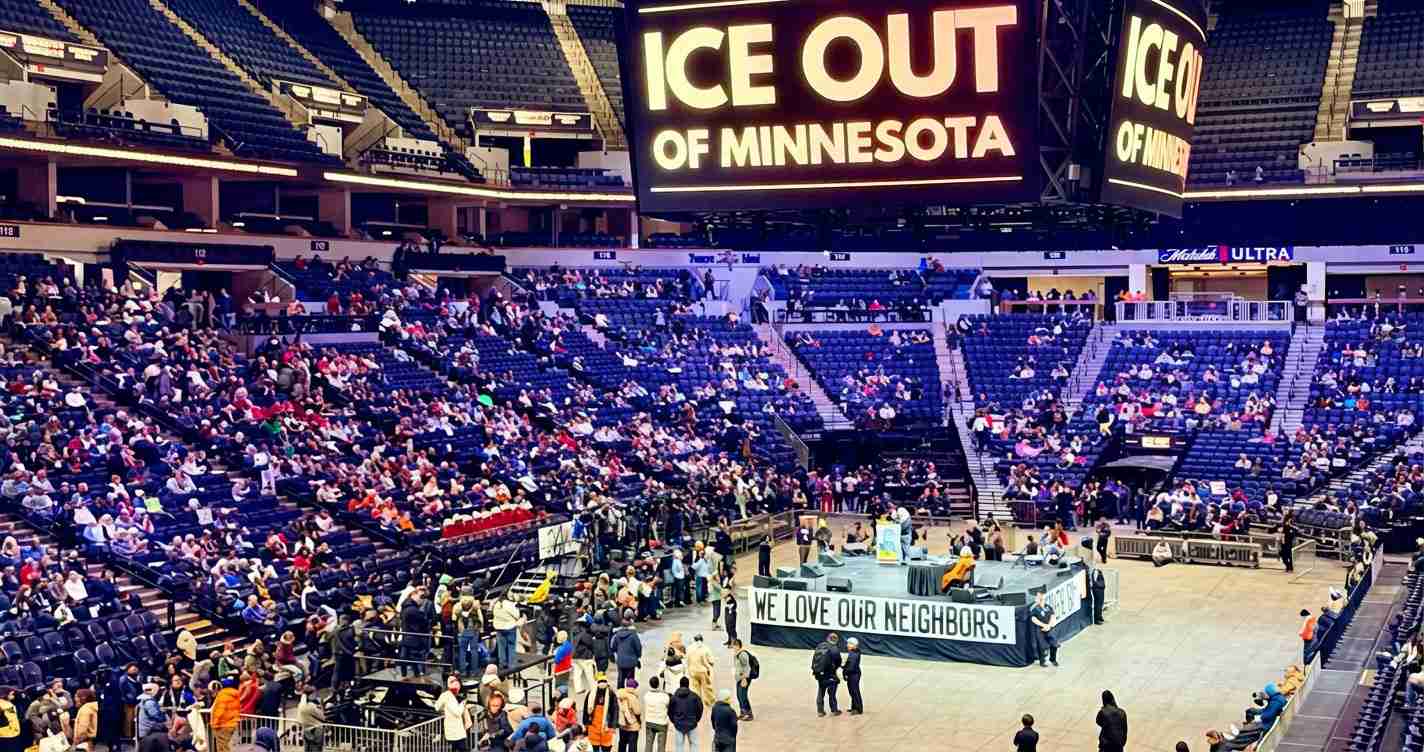
- Protest claims unverified: major outlets and watchdogs did not corroborate reports of a mass march or picket at the Target Center on Jan. 23, 2026.
What the video timelines show
Independent timelines assembled from multiple verified video sources and reporting detail the moments before and after the shooting. According to an ABC News minute-by-minute timeline, at about 9:35:05 a.m. Good’s Honda Pilot stopped diagonally on Portland Avenue; by 9:36:58 a.m. a Ford Explorer passed and Good appeared to gesture and turn her wheel away from the ICE agent about one second before shots were fired.
The first shot occurred at approximately 9:37:13 a.m., fired through the windshield; subsequent rounds followed as the vehicle moved and then crashed into a parked car roughly three seconds after the initial shot. Bystanders and medical personnel reported being prevented from reaching Good immediately while agents awaited EMS; firefighters arrived several minutes later and attempted CPR. A detailed public video analysis is available via a YouTube analysis.
DHS response and political reactions
The Department of Homeland Security issued a public statement describing Good as a “violent rioter” who allegedly “weaponized her vehicle,” and characterized the shooting as an act of self-defense by the ICE agent. Senior officials and some political leaders publicly defended the agent’s actions, intensifying debate over federal law enforcement tactics during enforcement operations.
“We must balance officer safety with accountability,” said advocates pressing for transparent independent review.
Civil-rights groups and criminal-justice advocates sharply criticized the defense and urged independent scrutiny; the MacArthur Justice Center issued a public statement calling for further investigation.
Legal questions and investigations underway
Legal analysts say the shooting raises issues about ICE use-of-force policy, oversight of federal operations, and potential liability. Early legal analysis from Just Security outlines evidence that could support an independent probe, while the American Immigration Council describes possible civil avenues for the family.
Local prosecutors and federal oversight officials have been urged to examine body and phone camera footage and witness statements to determine whether policy violations occurred and whether criminal or civil theories of liability apply.
Protest claims: what has been verified
Since the shooting, social media and some accounts circulated reports of mass protests, including an event described as “ICE Out of MN: Day of Truth and Freedom” and a march from The Commons to the Target Center with thousands picketing the arena. However, a review of major outlets and watchdog reporting found no independent, verified coverage confirming a large-scale march or mass picket at the Target Center on Jan. 23, 2026.
The research considered reporting from outlets and organizations tracking the incident and its aftermath; absence of corroboration in those sources does not prove demonstrations did not occur, only that the specific large-scale claim has not been independently verified in the reviewed coverage.
Broader implications for policy and public trust
The shooting has sharpened national debate over immigration enforcement, use of force, and federal oversight. Potential outcomes include congressional inquiries, civil lawsuits, revisions to training and use-of-force protocols, and shifts in local-federal cooperation. High-profile incidents can erode public trust and complicate future enforcement if communities see federal action as endangering civilians.
Practical considerations for municipal leaders: clarify notification protocols, mutual-aid agreements, and oversight processes to reduce confusion during federal enforcement actions and to protect residents and officers.
Sources
- ABC News – Minute-by-minute timeline and video analysis
- Star Tribune – Identification and background on ICE agent Jonathan Ross
- Just Security – Investigation analysis
- MPR News – Family statement coverage
- Vera Institute – Explainer on national impact
- MacArthur Justice Center – Statement
- American Immigration Council – Legal options analysis
- YouTube analysis of the incident


